Christmas in Japan looks familiar at first glance, with twinkling lights, Santa hats, and carols in the shops, yet it works very differently from the Western holiday. In a country where only about one percent of people are Christian, Christmas is not a religious day or even a day off. It is a bright, commercial, and romantic occasion, famous for three things above all: fried chicken, strawberry cake, and dazzling winter lights. Here is how Japan celebrates Kurisumasu.
Is Christmas a Holiday in Japan?
No. December 25 is an ordinary working day in Japan. Offices stay open, children go to school, and there is no public holiday for Christmas. Christianity reached Japan with the missionary Francis Xavier, who landed at Kagoshima in 1549. The faith was then banned for most of the Edo period, driven underground for some two hundred and fifty years among the so called hidden Christians, and it only re-emerged when Japan reopened in the Meiji era. Today Christians remain a small minority, perhaps one in a hundred. A devout Christian community does mark Christmas with church services, yet for the country as a whole the day carries little religious weight.
Instead, Christmas arrived as a festive import. It spread through shops and advertising across the twentieth century, took hold strongly in the postwar decades, and its commercial, romantic form was firmly entrenched by the affluent 1980s. The same selective borrowing shows up elsewhere: many Japanese couples choose a Western, chapel style wedding for its look without sharing the religion behind it. Christmas works the same way, kept for its warmth and color. Today it is woven into the Japanese winter as a season of lights, treats, and time spent with someone special.
Christmas Eve: A Night for Couples
The heart of the Japanese Christmas is not December 25 but the evening of December 24. Christmas Eve is widely treated as the most romantic night of the year, closer to Valentine’s Day in the West than to a family Christmas. Couples book restaurant tables months ahead, exchange gifts, walk beneath the illuminations, and often end the night at a hotel with a view of the city lights.
A well known saying sums up the split: Christmas is for your lover, the New Year is for your family. The pressure to have a partner for the night can be intense, and restaurants, hotels, and illumination spots fill up well in advance. The mood has its own soundtrack too. Tatsuro Yamashita’s 1983 ballad “Christmas Eve” returns to the airwaves every December and is the unofficial anthem of the season, alongside Mariah Carey and Wham on every shopping street.
Kentucky for Christmas
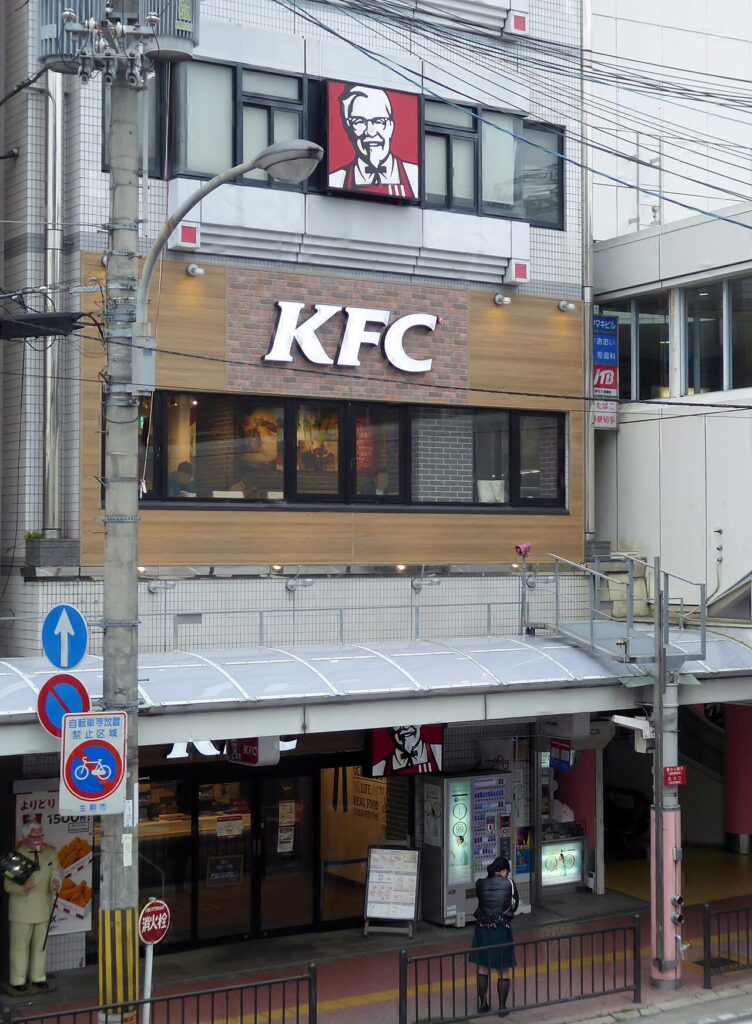
Perhaps the most surprising Japanese tradition is the Christmas bucket of fried chicken. Millions of families sit down on Christmas Eve to a meal from KFC, Kentucky Fried Chicken, and treat it as the natural centerpiece of the day.
The custom is no accident. It grew from a 1974 KFC marketing campaign called Kurisumasu ni wa Kentakkii, “Kentucky for Christmas,” which tied the brand to the holiday so firmly that it became a fixture. Demand is now so heavy that customers reserve their barrels weeks in advance, and lines stretch out the door on December 24. KFC sells special Christmas party barrels that pair the chicken with sides and a cake, and outside many branches the Colonel Sanders statue is dressed in a red Santa suit for the season. For many in Japan, the smell of fried chicken simply means Christmas.
The Japanese Christmas Cake
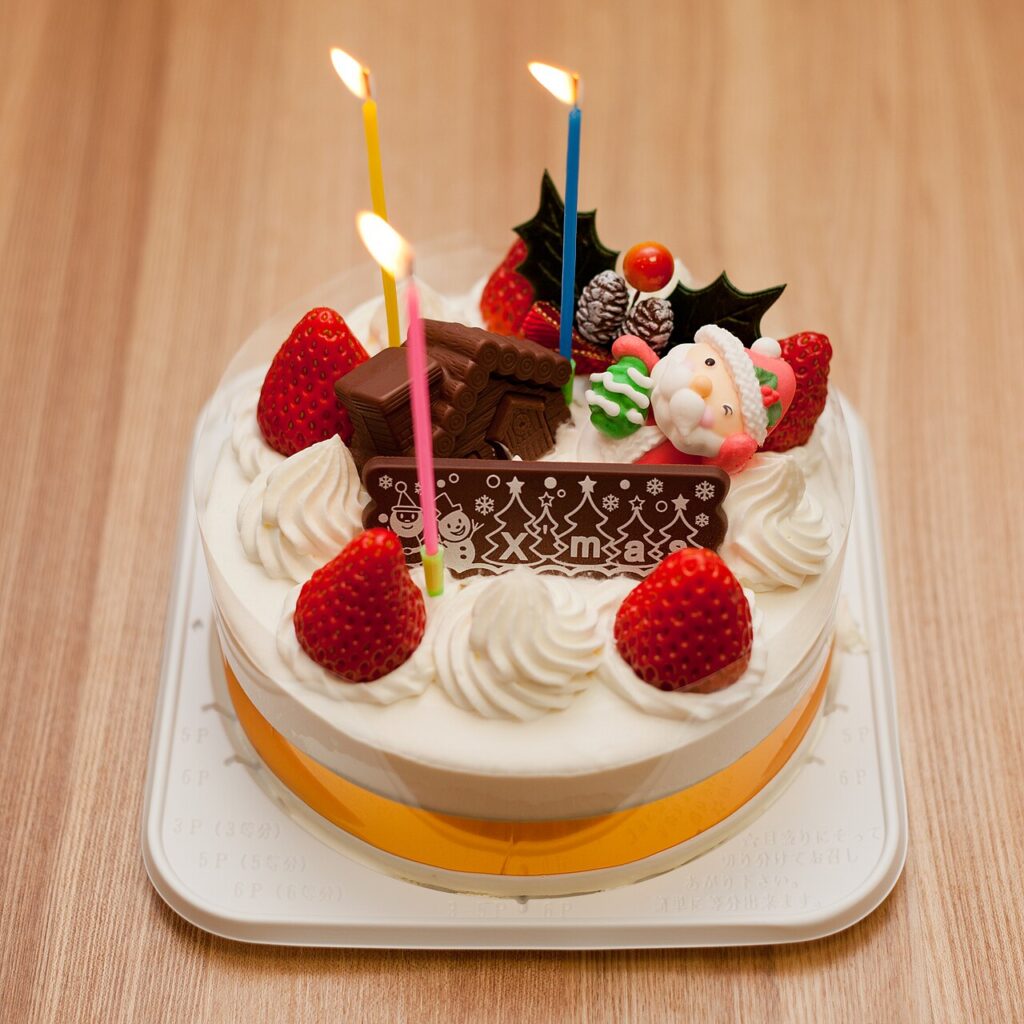
Dessert is just as fixed as the chicken. The kurisumasu keeki, Christmas cake, is a round sponge layered with fresh whipped cream and crowned with strawberries, the classic strawberry shortcake of Japan. Its red and white colors have become a symbol of the season, often said to echo the colors of the national flag.
The cake spread in the years after the war, promoted by confectioners such as Fujiya, and came to stand for comfort and modern prosperity. Families buy one for Christmas Eve, and bakeries, department stores, and convenience stores take orders for weeks beforehand. On the day itself, shop staff call out to passing customers to sell the last of the cakes, and any left unsold after Christmas are quickly cleared away.
Winter Illuminations
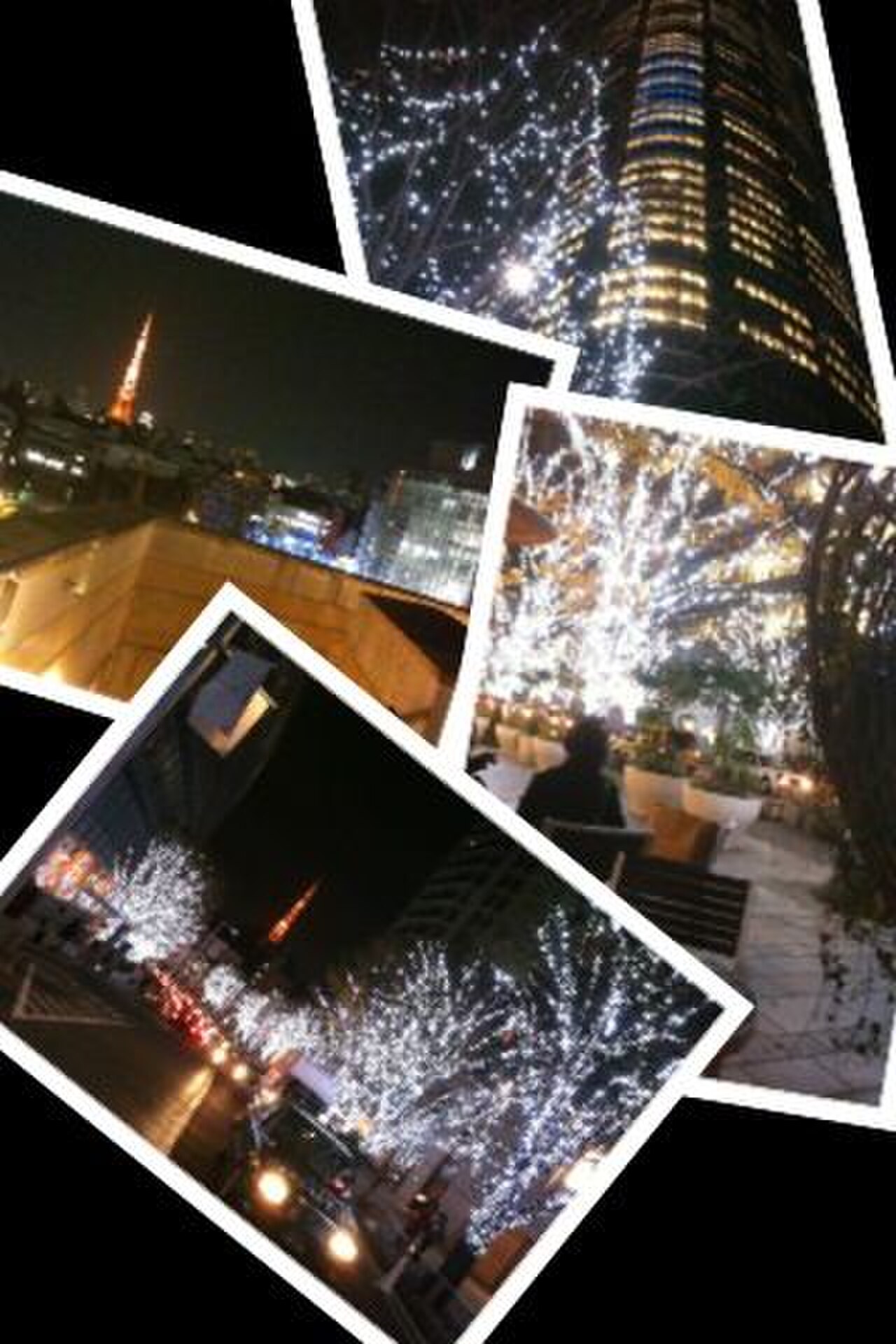
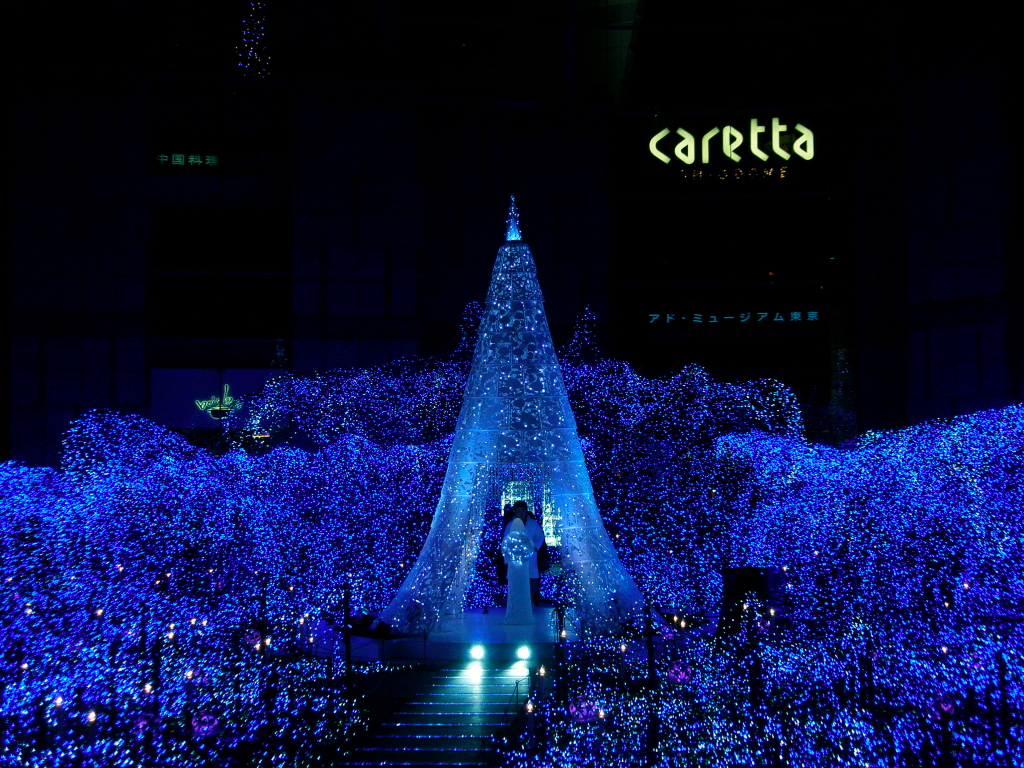
From late November the cities glow. Japanese illuminations, known as irumineeshon, are vast displays of LED lights that turn streets, parks, and gardens into walkable light shows. They are a centerpiece of the romantic season and draw huge crowds. Many displays switch on in November and run well past Christmas into February, and a good number are free to walk through, which makes them one of the most popular and affordable winter outings in the country.
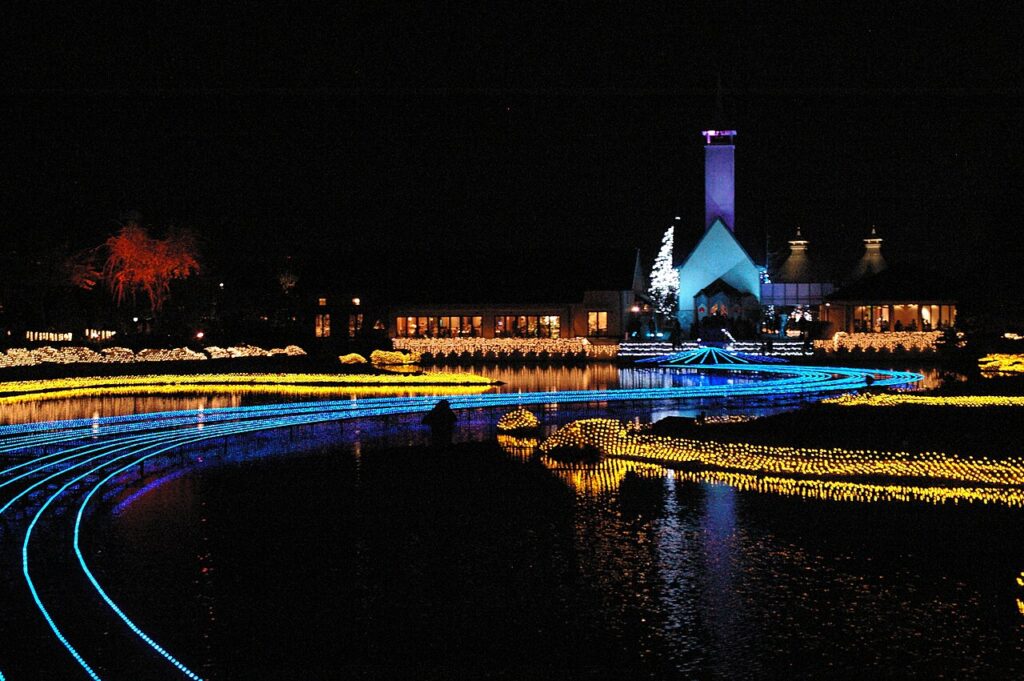
Among the most famous are Nabana no Sato near Nagoya, with its tunnels of light, the tree lined Keyakizaka slope at Roppongi Hills in Tokyo, and Caretta Shiodome. In the city of Kobe, the Kobe Luminarie has been held since 1995, created as a memorial to the victims of the Great Hanshin earthquake, and it blends the festive with the solemn. Snowy northern cities join in too, such as Sapporo with its White Illumination.
Santa-san and Gifts
Santa Claus is a friendly figure in Japan, known as Santa-san. Children may wake to a single present left quietly by their pillow while they slept, rather than a pile of gifts under a tree. Gift giving is generally more modest than in the West and centers on couples and small children rather than a large exchange among extended family. December is also the season of bonenkai, year forgetting parties, where colleagues and friends gather to eat, drink, and leave the troubles of the old year behind, adding to the festive buzz around Christmas without being part of the holiday itself.
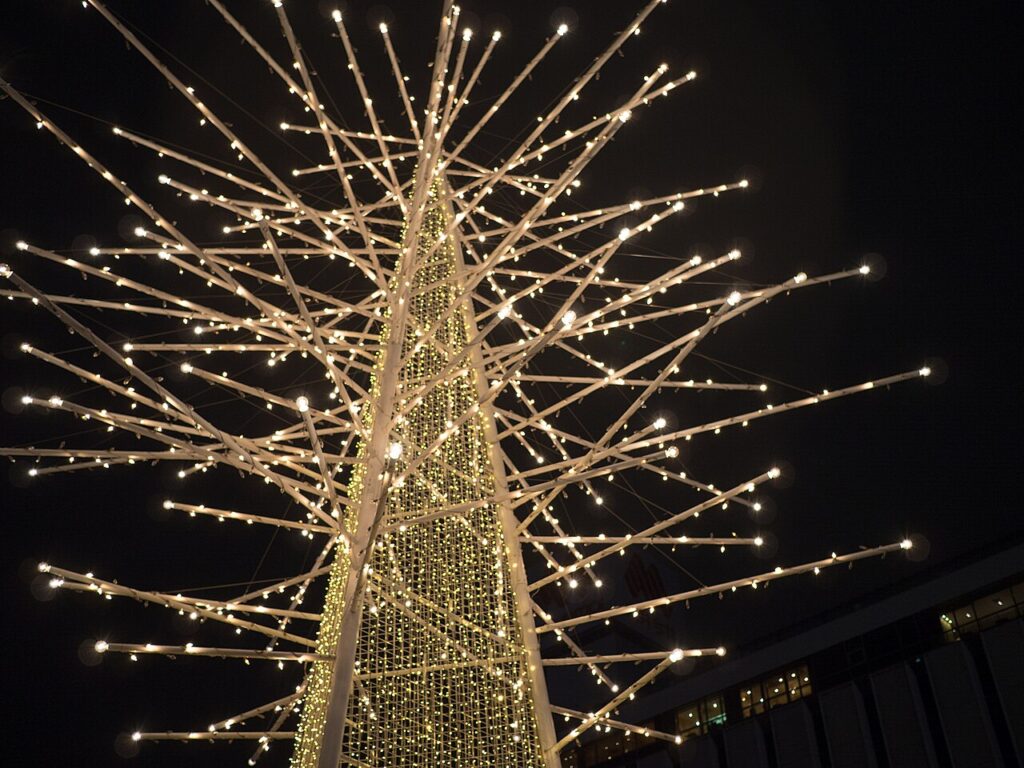
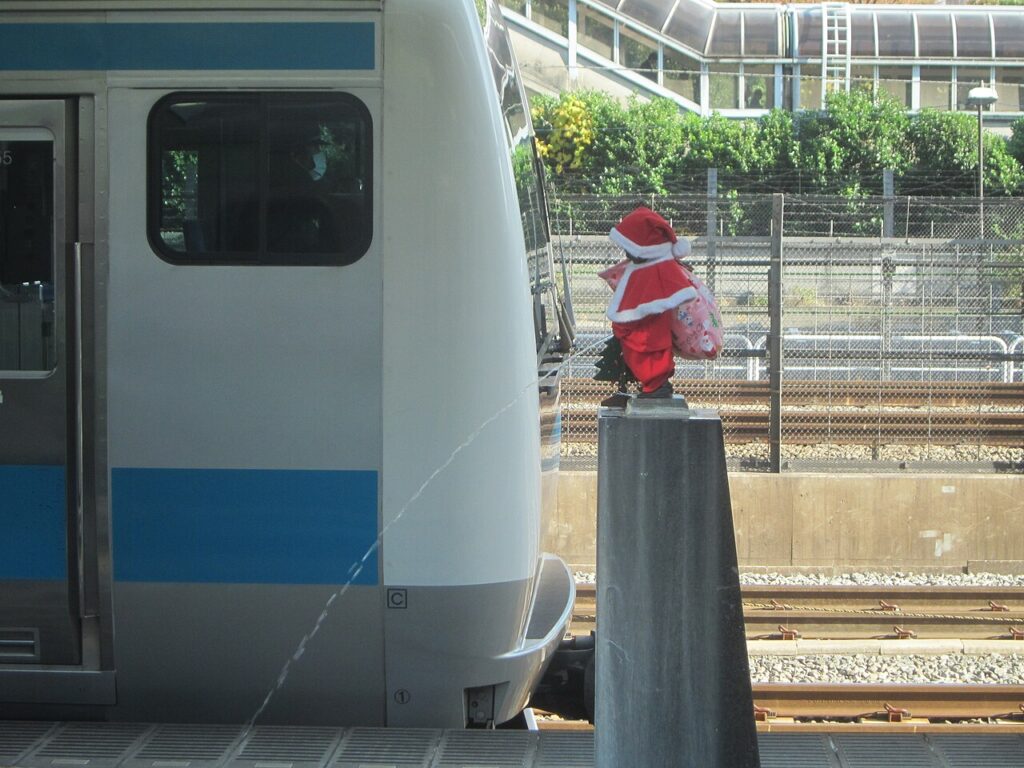
Decorations follow the same light, cheerful spirit. Department stores, train stations, and shopping streets put up enormous trees and elaborate window displays, and the holiday is above all a feast for the eyes.
Trees, Shops, and the Festive City
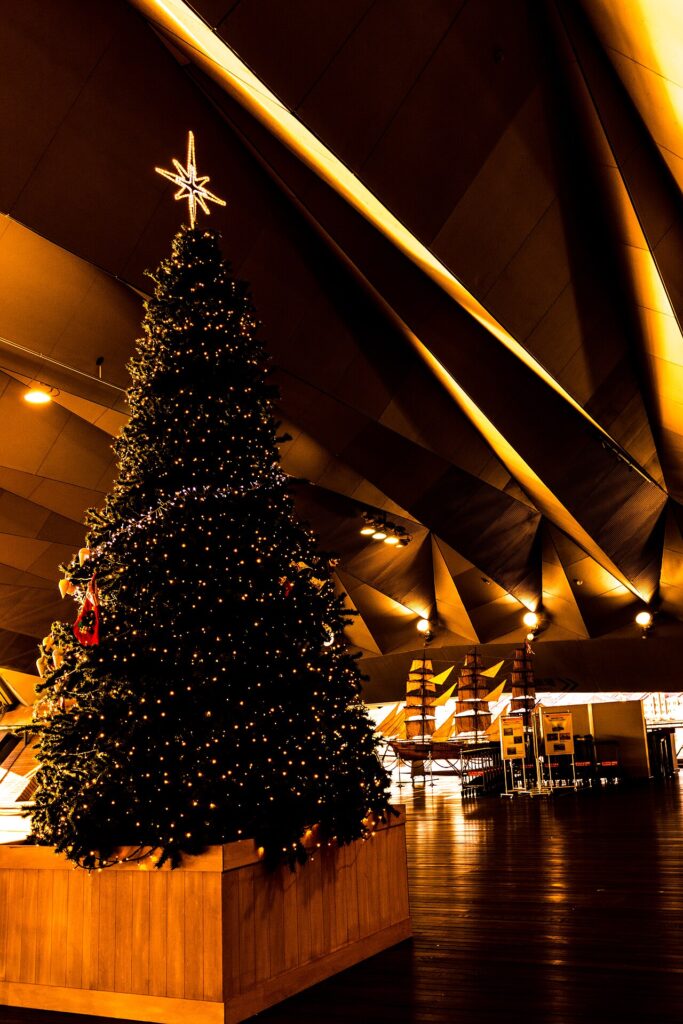
Because Christmas in Japan is centered on going out rather than staying in, the public spaces do the heavy lifting. Giant trees rise in station atriums and hotel lobbies, malls pipe in carols, and seasonal markets, some modeled on German Christmas markets, sell mulled wine and ornaments in a handful of cities. The result is a holiday you experience in the street and the shopping center as much as at home.
Festive outings are a big part of the season. German style Christmas markets have appeared in several cities, including Roppongi Hills in Tokyo, the Red Brick Warehouse in Yokohama, and Sapporo, which runs its market in partnership with its German sister city of Munich. Stalls sell mulled wine, sausages, and ornaments much as they would in Europe. The big theme parks lean in hardest of all. Tokyo Disney Resort and Universal Studios Japan stage elaborate Christmas shows and light displays that pull in huge crowds through December, turning a trip to the park into one of the season’s most popular dates.
The Handover to New Year
As soon as Christmas ends, the decorations come down almost overnight and the country turns to its most important holiday, Oshogatsu, the New Year. This is the true family festival of Japan. Families gather, eat osechi ryori in lacquered boxes whose dishes each carry a wish for health, wealth, or long life, and hang kadomatsu of pine and bamboo at the door. On New Year’s Eve they slurp toshikoshi soba, the year crossing noodles, and listen for joya no kane, the temple bells rung one hundred and eight times. In the first days of January they make hatsumode, the first shrine or temple visit of the year, to pray for the months ahead.
The contrast is the key to understanding Christmas in Japan. One holiday is outward, romantic, and modern; the other is quiet, traditional, and rooted in family. Together they bookend the Japanese winter.
Saying Merry Christmas in Japanese
There is no old native greeting. People say メリークリスマス, merii kurisumasu, a loanword borrowed straight from the English “Merry Christmas.”
Christmas in Japan is a fascinating case of a holiday remade in a new culture, kept for its warmth and color rather than its religion. It shows how a festival can travel across the world and become something fresh, with fried chicken, strawberry cake, and rivers of light standing in for the customs of its origin. To see how it compares, explore our guide to Christmas around the world, the Christmas foods of different countries, the global cast of Christmas gift-bringers, and our overview of Christmas history and traditions.