No country packs more folklore into the dark of December than Iceland. Here children are visited not by one Santa but by thirteen mischievous Yule Lads who creep down from the mountains. A monstrous Yule Cat is said to prowl for anyone without new clothes, books flood the shops in a frenzy of Christmas reading, and the festive season opens, for many, with a plate of pungent fermented skate. This is how Iceland celebrates jól.
When Is Christmas in Iceland?
The Icelandic word for Christmas, jól, is older than Christianity itself and shares its root with the word Yule. Iceland adopted Christianity by a decision of its parliament, the Alþingi, around the year 1000, and today it is a mostly Lutheran country, which shapes the religious side of the holiday.
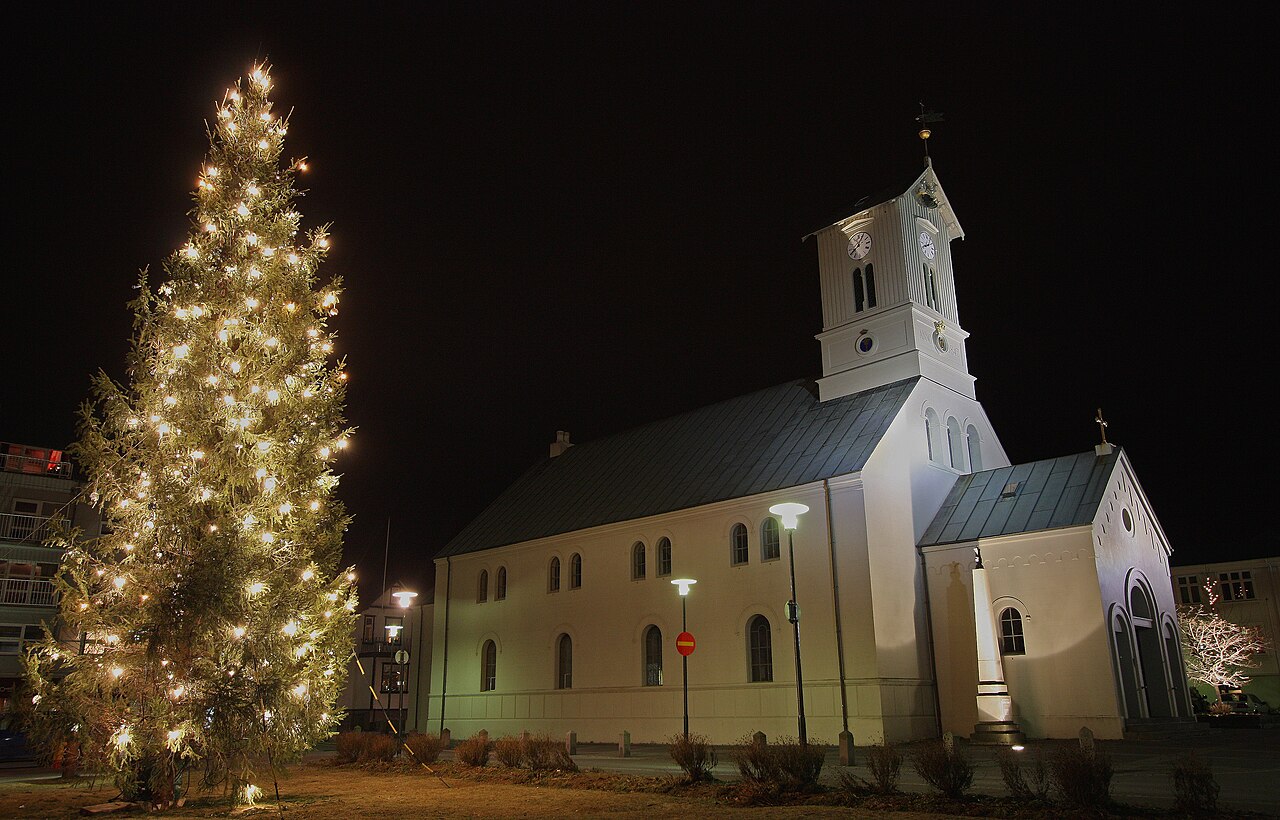
The season builds through Advent, but the true heart of Christmas is Christmas Eve, December 24. By long custom, Christmas begins at 6 o’clock that evening, marked by the bells of Reykjavik Cathedral, the Dómkirkjan, broadcast on national radio, when families sit down to the main meal and open their presents. The celebration then stretches across the thirteen days of Christmas, ending on January 6.
The Thirteen Yule Lads
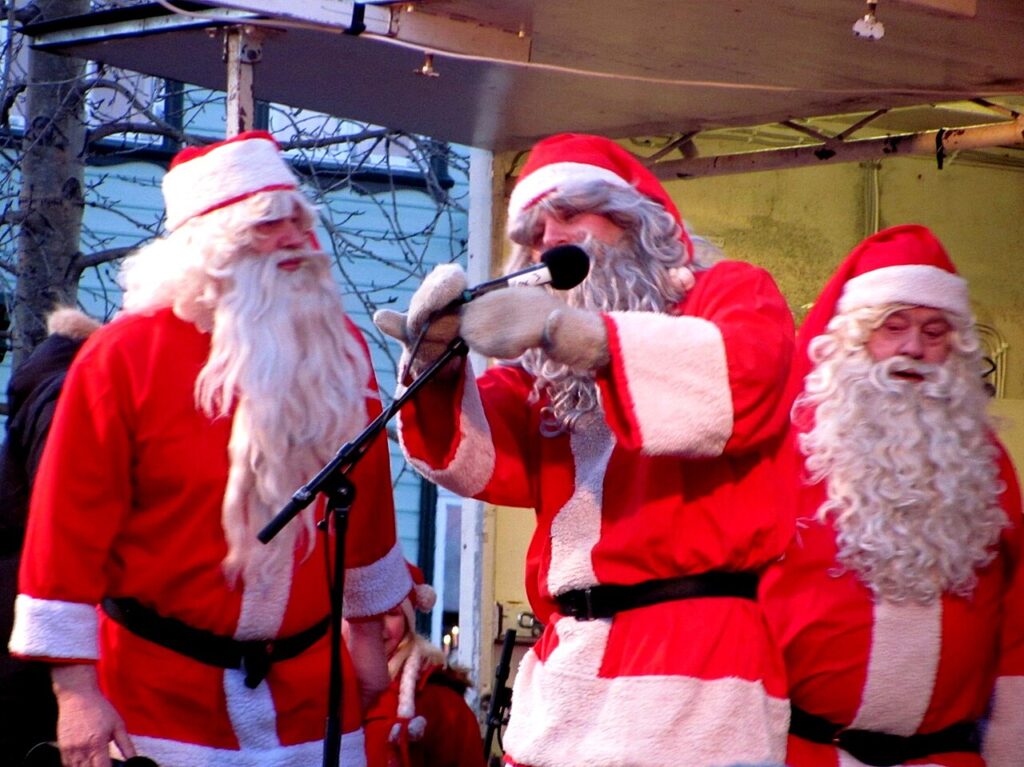
The Yule Lads, in Icelandic jólasveinar, are the country’s most famous Christmas figures. They are trollish, scruffy, and fond of trouble, and they arrive one at a time on each of the thirteen nights before Christmas. The first, Stekkjarstaur (Sheep Cote Clod), comes on the night of December 12, and the last, Kertasníkir (Candle Beggar), on December 24. After Christmas they leave the same way, one per day, until the final lad departs on January 6.
Children place a shoe on the windowsill during these nights. Those who have behaved find sweets or a small gift in the morning. Those who have not are left a raw potato. This shoe custom is itself fairly modern, taking hold only in the twentieth century. Each December the National Museum of Iceland in Reykjavik brings the legend to life, with the lads appearing one by one, day after day, just as the stories describe.
Each lad is named for his favorite mischief, and the modern set of thirteen was fixed by the poet Jóhannes úr Kötlum in his 1932 poem. They are:
- Stekkjarstaur, Sheep Cote Clod, who harasses the sheep.
- Giljagaur, Gully Gawk, who steals foam from the milk pails.
- Stúfur, Stubby, the short one who snatches food from pans.
- Þvörusleikir, Spoon Licker, who licks the wooden stirring spoons.
- Pottaskefill, Pot Scraper, who steals leftovers from pots.
- Askasleikir, Bowl Licker, who hides to swipe unguarded bowls.
- Hurðaskellir, Door Slammer, who bangs doors through the night.
- Skyrgámur, Skyr Gobbler, who raids the skyr, a thick Icelandic dairy.
- Bjúgnakrækir, Sausage Swiper, who makes off with sausages.
- Gluggagægir, Window Peeper, who peers in for things to steal.
- Gáttaþefur, Doorway Sniffer, who sniffs out the Christmas bread.
- Ketkrókur, Meat Hook, who fishes for meat with a hook.
- Kertasníkir, Candle Beggar, who scrounges the candles children once prized.
Grýla, Leppalúði, and the Yule Cat
The Yule Lads are the sons of Grýla, a fearsome ogress who lives in the mountains with her lazy husband Leppalúði. Grýla appears in Icelandic manuscripts as far back as the thirteenth century, far older than the lads themselves. In the old stories she comes down at Christmas to catch and cook badly behaved children in her pot, and the Yule Lads were once menacing figures who frightened children rather than the friendly gift givers they became in the twentieth century. Their numbers varied from place to place too, with some old accounts naming far more than thirteen.
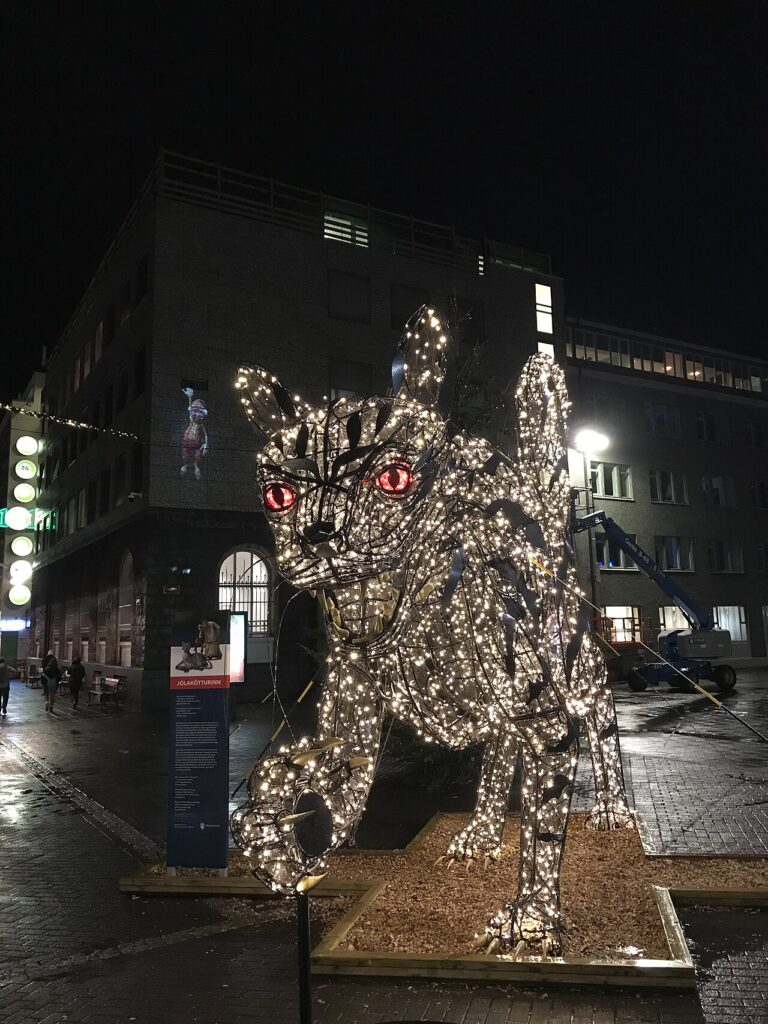
The family pet is the most chilling of all. The Yule Cat, the Jólakötturinn, is a huge black cat said to eat anyone who does not receive a new piece of clothing before Christmas. The legend gave everyone, including farmhands finishing the autumn wool work, a strong reason to make sure each person got at least one new garment. To this day Icelanders make a point of receiving jólaföt, new Christmas clothes, before the holiday, a custom tied directly to keeping the cat at bay. A giant lit sculpture of the Yule Cat now towers over Lækjartorg square in central Reykjavik each December.
Jólabókaflóð: The Christmas Book Flood
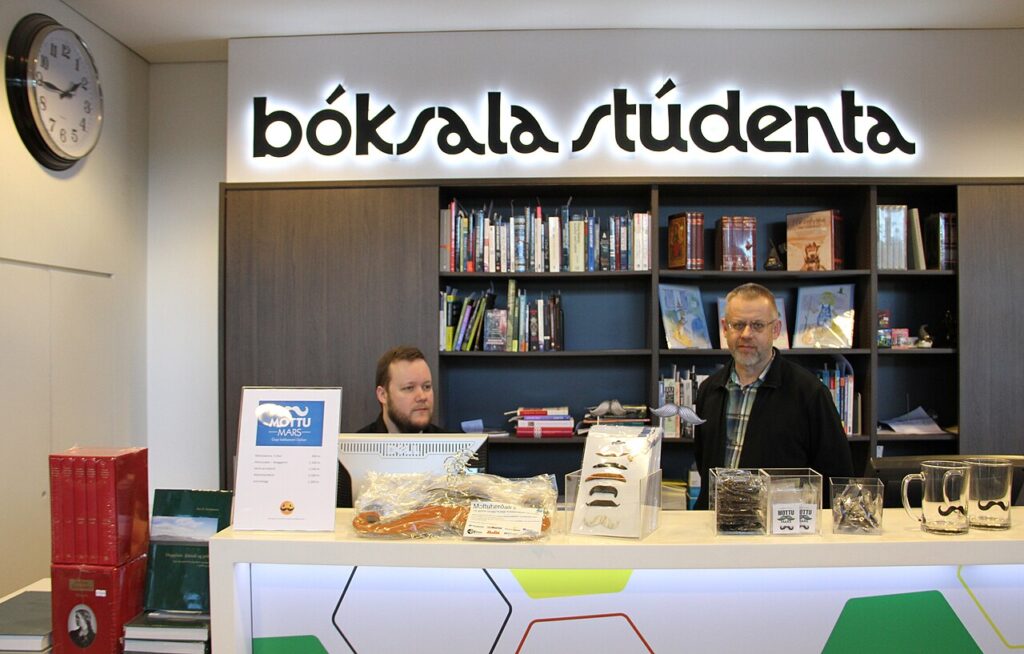
Iceland is famous as a nation of readers, and nowhere is this clearer than at Christmas. Most of the country’s new books are published in the weeks before the holiday, a surge known as the Jólabókaflóð, the “Christmas book flood.” Each autumn a catalogue of new titles, the Bókatíðindi, is sent to homes across the country.
Books are the classic Christmas gift. Families exchange them on Christmas Eve and then spend the night reading, often curled up with chocolate. The custom is often traced to the years around the Second World War, when imports were restricted but paper stayed affordable, making books one of the few gifts people could readily buy. The habit stuck, and Iceland now publishes and buys more books per head than almost any other nation, with the autumn release of new titles treated as a genuine cultural event.
Þorláksmessa and the Christmas Table
The season has its own culinary landmark on December 23, Þorláksmessa, the Mass of St Thorlak, named for Iceland’s patron saint. Þorlákur Þórhallsson was named a saint by the Alþingi in 1198 and formally canonized by the Pope in 1984. The day’s signature dish is kæst skata, fermented skate, a tradition rooted in the Westfjords that has since spread across the whole country. Its powerful ammonia smell is not for the faint hearted, and many enjoy it precisely because it is so pungent.
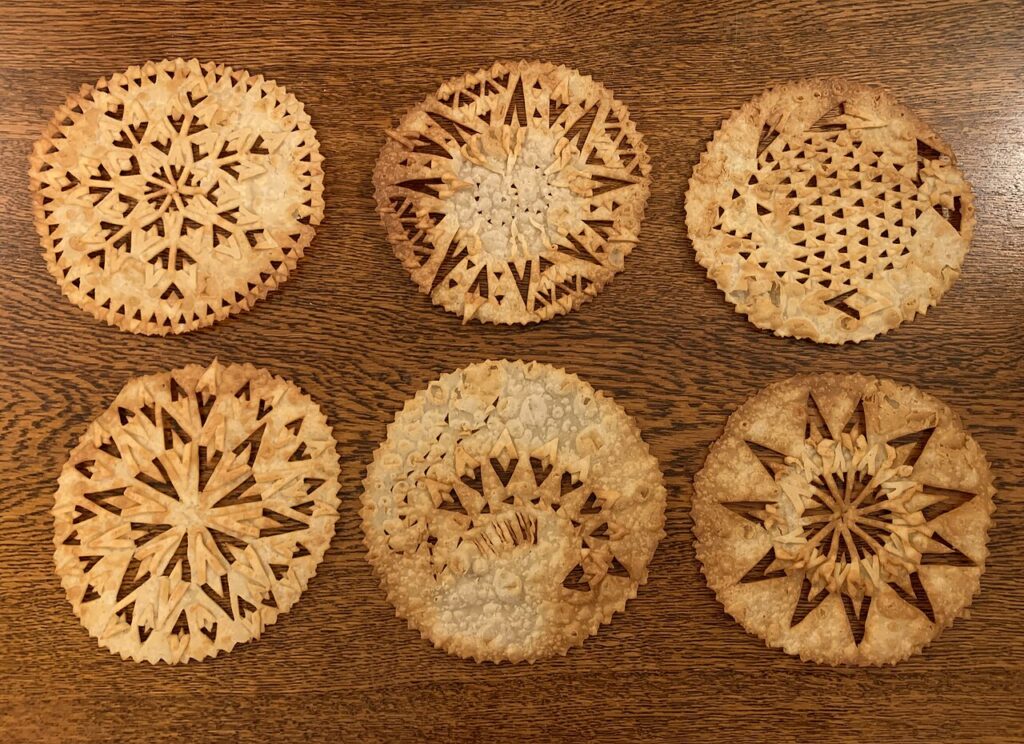
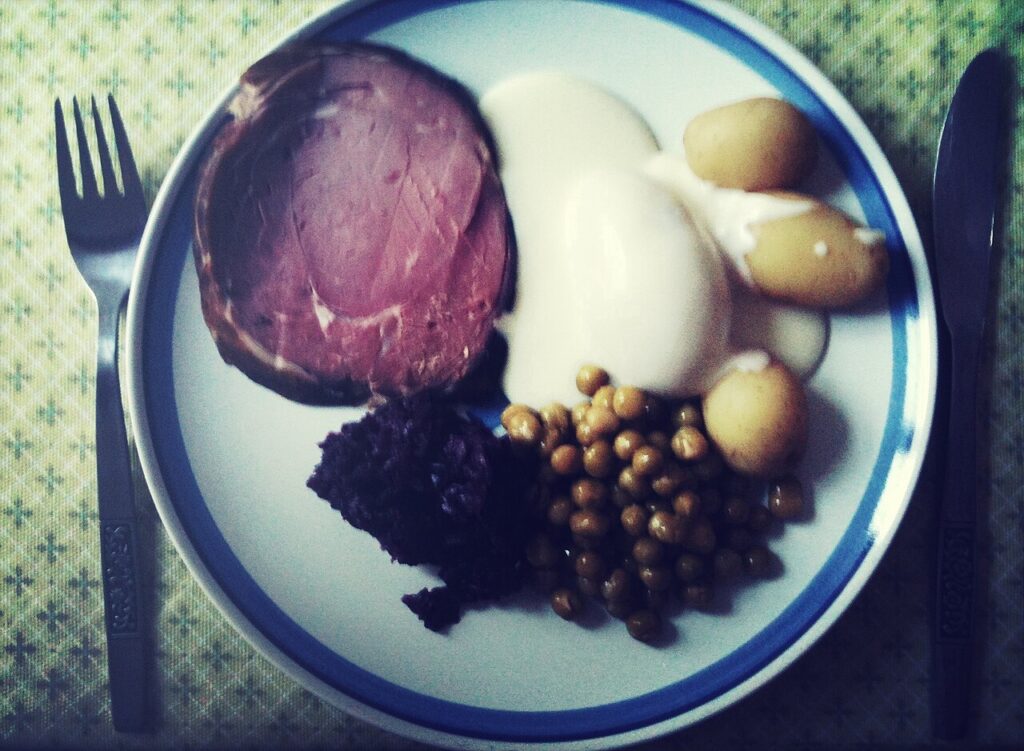
Christmas Eve and Christmas Day bring gentler fare. Tables carry hangikjöt, smoked lamb, and hamborgarhryggur, a glazed pork rib roast, while some still serve rjúpa, ptarmigan. Alongside come laufabrauð, a paper thin “leaf bread” cut with delicate patterns and fried crisp, trays of smákökur, little cookies baked in many varieties, and glasses of malt og appelsín, a sweet blend of malt drink and orange soda mixed at the table for the season. The meal is unhurried, candles are lit, and the gifts wait until everyone has finished eating, so Christmas Eve dinner can stretch over several relaxed hours.
Reykjavik in the Christmas Season
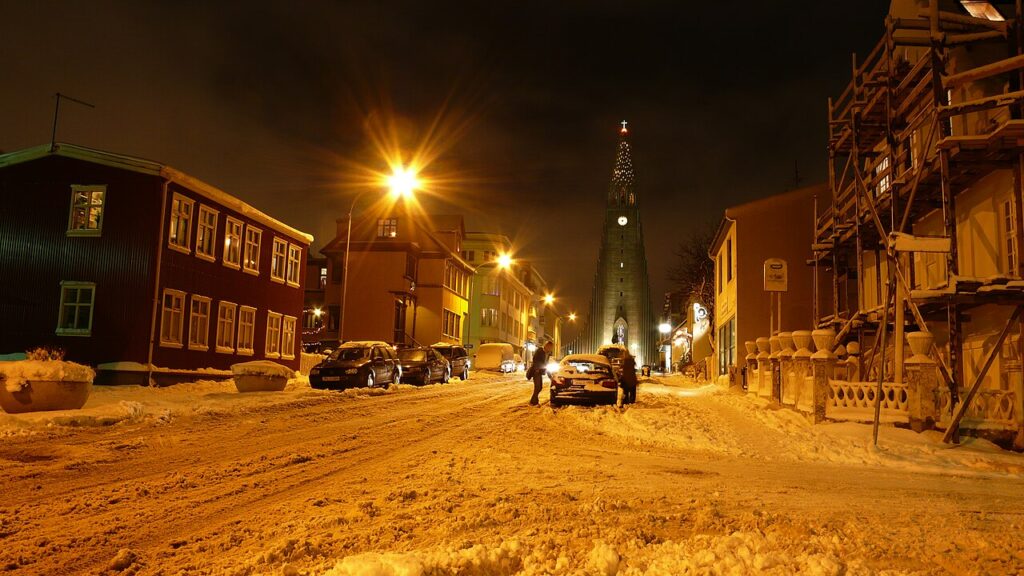
Through December the capital glows against the long Arctic nights. Streets and shop windows fill with lights, and a tall Christmas tree, a yearly gift from the city of Oslo, stands on the central square of Austurvöllur. Markets, concerts, and the lit Yule Cat draw people out into the cold, and the low winter sun and frequent snow give the city a storybook look.
The build up has its own rhythm. Through Advent most homes light the four candles of an Advent wreath, a custom borrowed from Germany, and workplaces and friends gather for the jólahlaðborð, a lavish Christmas buffet that runs through December and is one of the season’s biggest social events. Families also set aside evenings to make laufabrauð together, cutting the dough into lacy patterns before frying, a shared ritual as much as a recipe.
The Thirteenth and the End of Christmas
Christmas in Iceland does not end on December 26. It runs its full thirteen days and closes on January 6, a date Icelanders call Þrettándinn, the Thirteenth. The last Yule Lad heads back to the mountains, and the night is marked with bonfires, fireworks, and singing, with people sometimes dressing as elves and trolls.
Folklore says this is a night when the huldufólk, the hidden people, and the elves are abroad, a fitting close to a season steeped in the supernatural. It comes soon after Gamlárskvöld, New Year’s Eve, itself one of the great bonfire and fireworks nights of the Icelandic year.
Saying Merry Christmas in Icelandic
The greeting is Gleðileg jól, “Happy Yule,” heard everywhere from Christmas Eve onward. It is often followed by og farsælt komandi ár, a wish for a happy coming year.
Christmas in Iceland is a season where old sagas feel close at hand, full of trolls, a hungry cat, and quiet nights spent reading by lamplight. To see how it compares, explore our guide to Christmas around the world, the Christmas foods of different countries, the global cast of Christmas gift-bringers, and our overview of Christmas history and traditions.