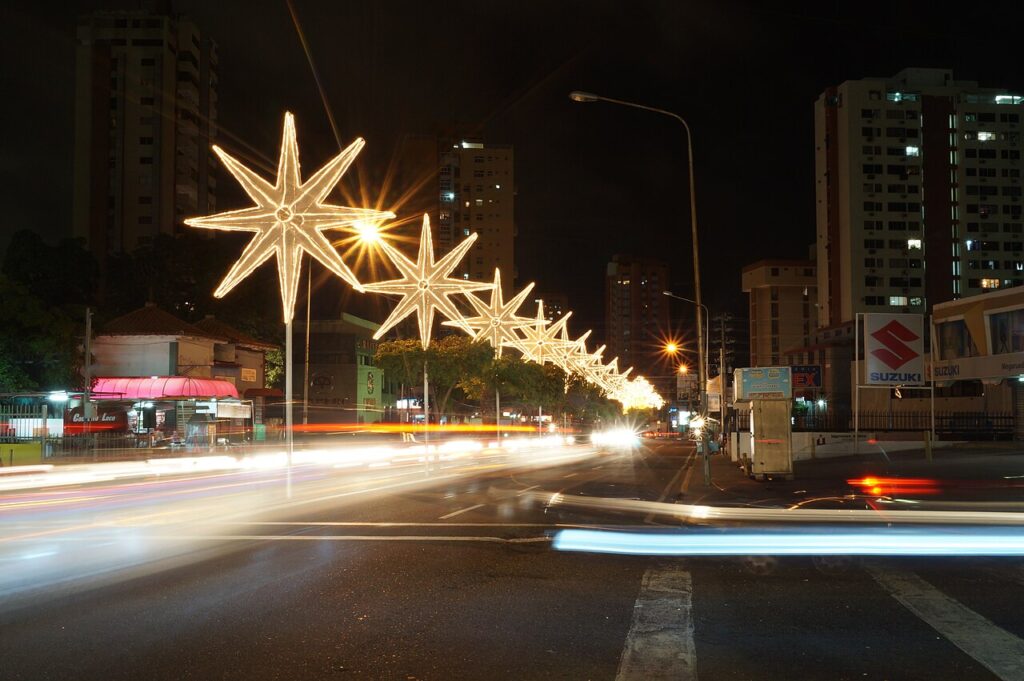
Christmas in Venezuela is loud, warm, and unmistakably its own. The season fills the air with gaita music, the kitchen with the smell of hallacas steaming in plantain leaves, and, in Caracas, the dawn streets with families on roller skates gliding to early morning Mass. It is a deeply Catholic holiday wrapped in food, music, and family. Here is how Venezuela celebrates Navidad.
When Is Christmas in Venezuela?
Venezuela is a country with deep Roman Catholic roots, and Christmas is its biggest celebration of the year. The high point is Nochebuena, Christmas Eve, December 24, when extended families gather for a long dinner that often runs to midnight and beyond, followed by the opening of gifts and, in many places, fireworks.
The festivities stretch far beyond a single day. The mood begins to build as early as mid November, when the first gaitas play and families start their nativity scenes, then carries through December with carols and dawn Masses. It continues to Reyes Magos, the Feast of the Three Kings on January 6, and in the Andes all the way to Candlemas in early February with the Paradura del Niño. The greeting heard throughout is Feliz Navidad.
Misa de Aguinaldo and the Roller Skaters
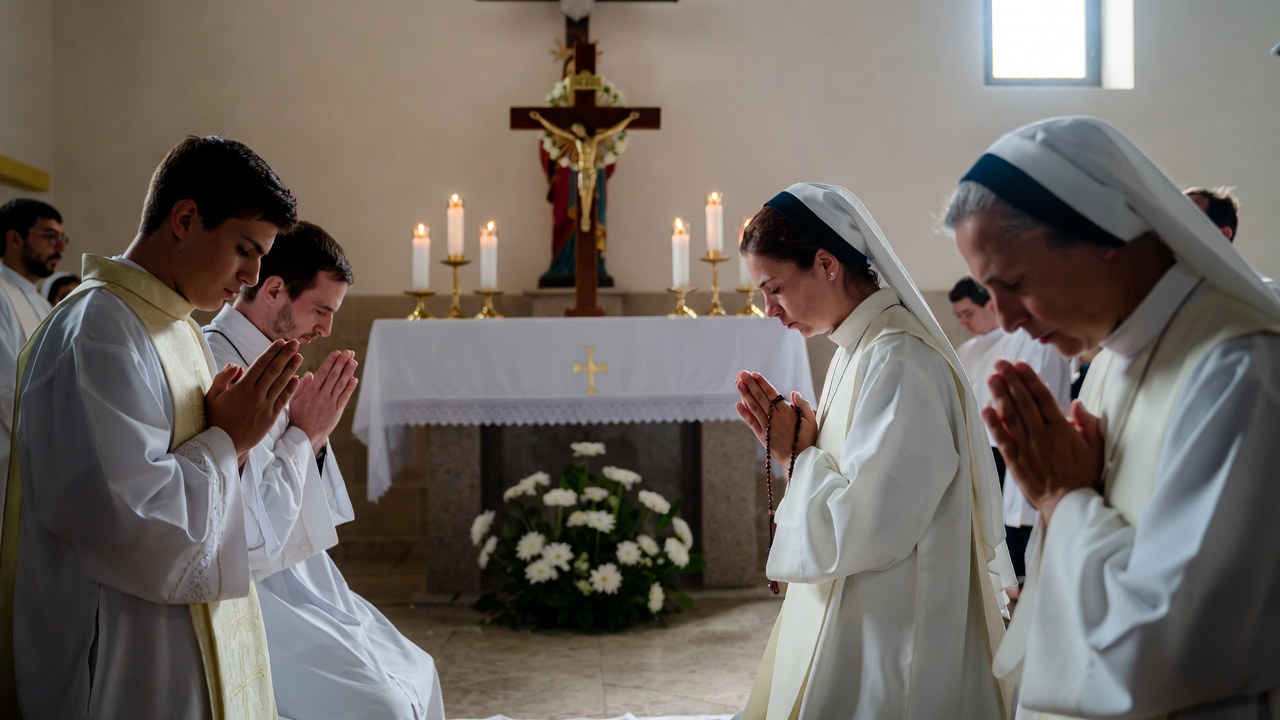
One of the most beloved customs is the Misa de Aguinaldo, a series of early morning Masses held on the days before Christmas, roughly December 16 to 24. Churches fill before dawn, and the services are accompanied by aguinaldos, the country’s Christmas carols. The final Mass on Christmas Eve is the Misa de Gallo, the Mass of the Rooster, at midnight. At that hour homes erupt with hugs and good wishes, fireworks crackle over the rooftops, and families sit down to the main meal before gifts are opened.
In Caracas the tradition comes with a famous twist. Many people travel to these dawn Masses on roller skates. In neighborhoods across the city, streets are closed to traffic in the early hours so that children and adults can skate safely to church and home again for breakfast. The custom grew up in the mid twentieth century, and while it has faded in some areas in recent years, it remains a cherished image of a Caracas Christmas. A charming and often retold story, though one of uncertain origin, says children would tie a piece of string to a big toe and dangle it out the window overnight, so that skaters passing by could give it a tug to wake them. Whether or not it was ever widespread, the tale captures the playful spirit of the season.
The Hallaca, the Star of the Table
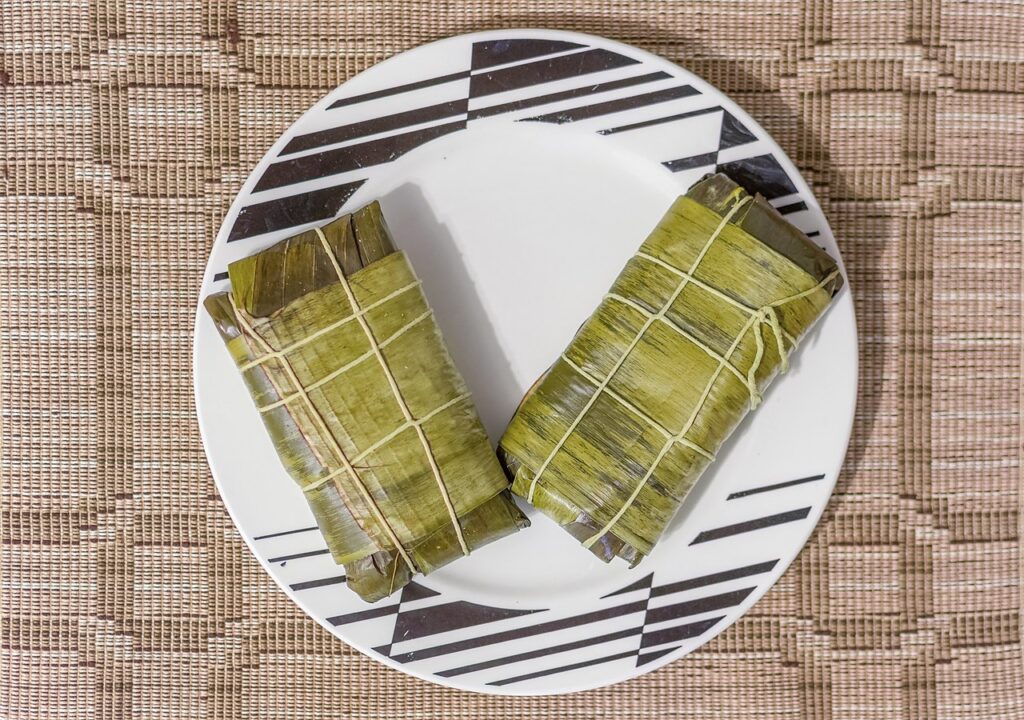
No dish says Venezuelan Christmas like the hallaca. It is a parcel of cornmeal dough spread thin, filled with a rich stew called the guiso of beef, pork, and chicken with olives, capers, raisins, and peppers, then wrapped in plantain leaves, tied with string, and boiled.
Making hallacas is an event in itself. Families gather days before Christmas and form a production line, each person handling one step, dough, filling, wrapping, or tying, while music plays and stories are swapped. Recipes are guarded and handed down, and every household insists its own are the best. A family may wrap dozens or even hundreds in a single day, enough to share with relatives, neighbors, and the carolers who come knocking. The leaves are saved, the kitchen fills with the smell of stewing meat and spices, and the work doubles as a yearly reunion.
The Rest of the Christmas Plate
The hallaca rarely travels alone. The classic Venezuelan Christmas plate, the plato navideño, brings together several dishes at once:
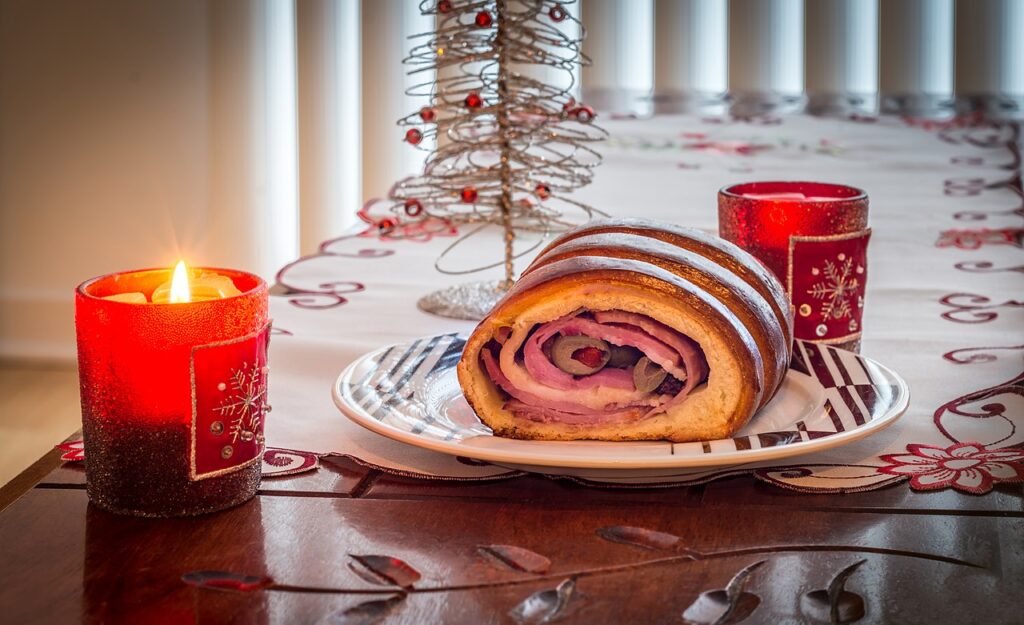
- Pan de jamón, a soft bread rolled around ham, olives, and raisins, baked until golden.
- Pernil, a slow roasted leg of pork.
- Ensalada de gallina, a hearty salad of shredded hen, potato, and vegetables in mayonnaise.
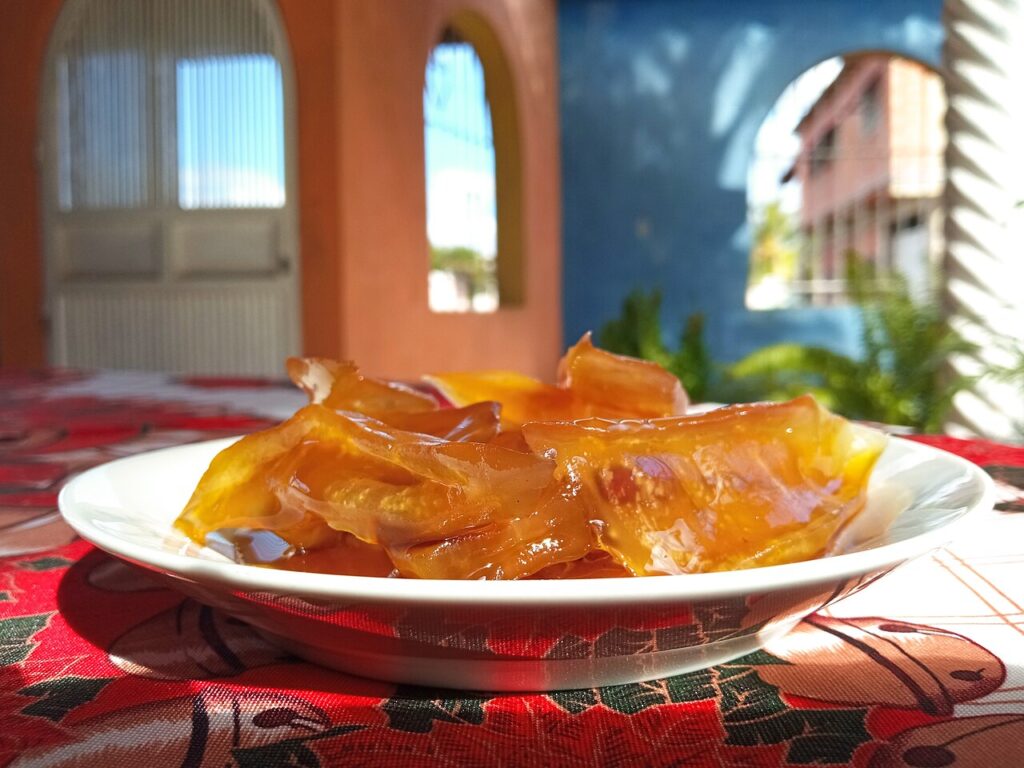
- Dulce de lechosa, the traditional dessert of green papaya simmered in syrup with panela and spices.
The meal ends on a sweet note with dulce de lechosa. Strips of green papaya are slow cooked in a dark syrup of panela and cloves until glossy and tender, then served cool. For many Venezuelans it is the flavor that defines the season.
Gaitas and Aguinaldos
Venezuelan Christmas has a soundtrack all its own. From October the radio fills with gaita, a lively, rhythmic music born in the state of Zulia around Maracaibo. It was first linked to the November feast of the city’s patroness, the Virgin of Chiquinquirá, and later became fused with Christmas across the whole country. Its sound comes from instruments like the cuatro, the small four stringed guitar, the furruco, a friction drum that gives a deep pulse, the charrasca, a scraper, and maracas.
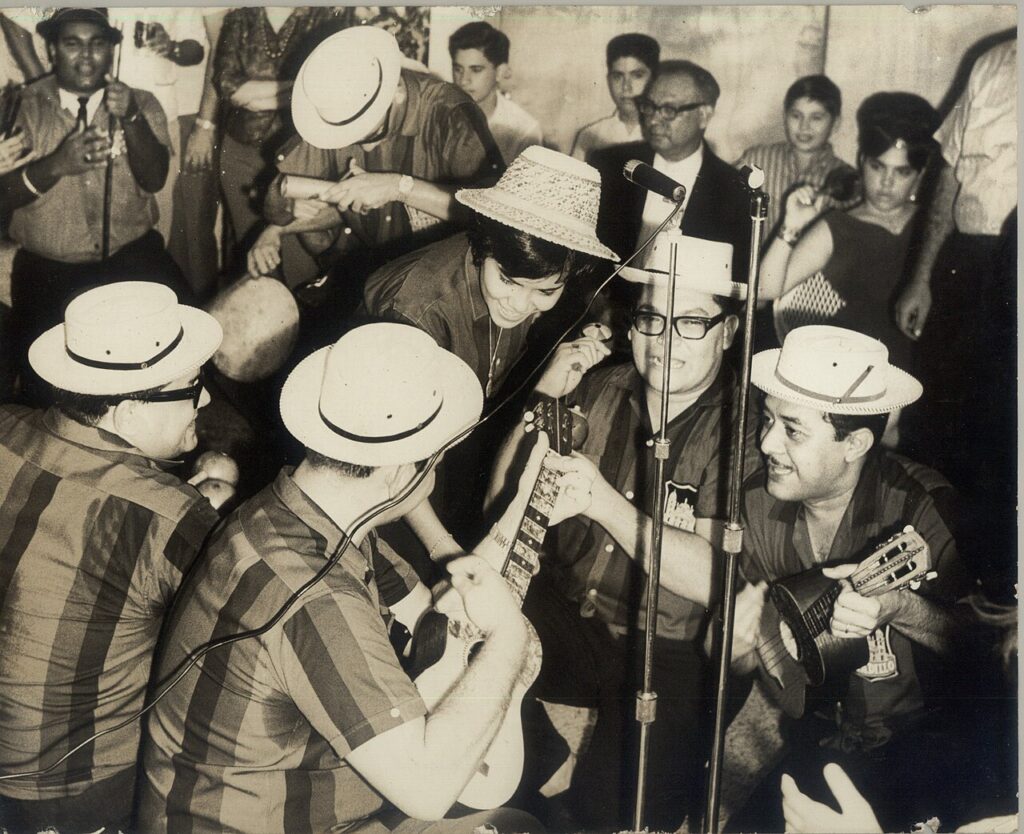
Alongside the gaitas are the gentler aguinaldos, the carols sung at Mass and at home. Then come the parrandas, bands of friends and neighbors, sometimes called aguinalderos, who go from house to house with cuatro and maracas, singing in exchange for a plate of hallacas, a slice of pan de jamón, or a drink. A good parranda can roll from one home to the next late into the night, growing larger as it goes.
The Pesebre and the Christmas Tree
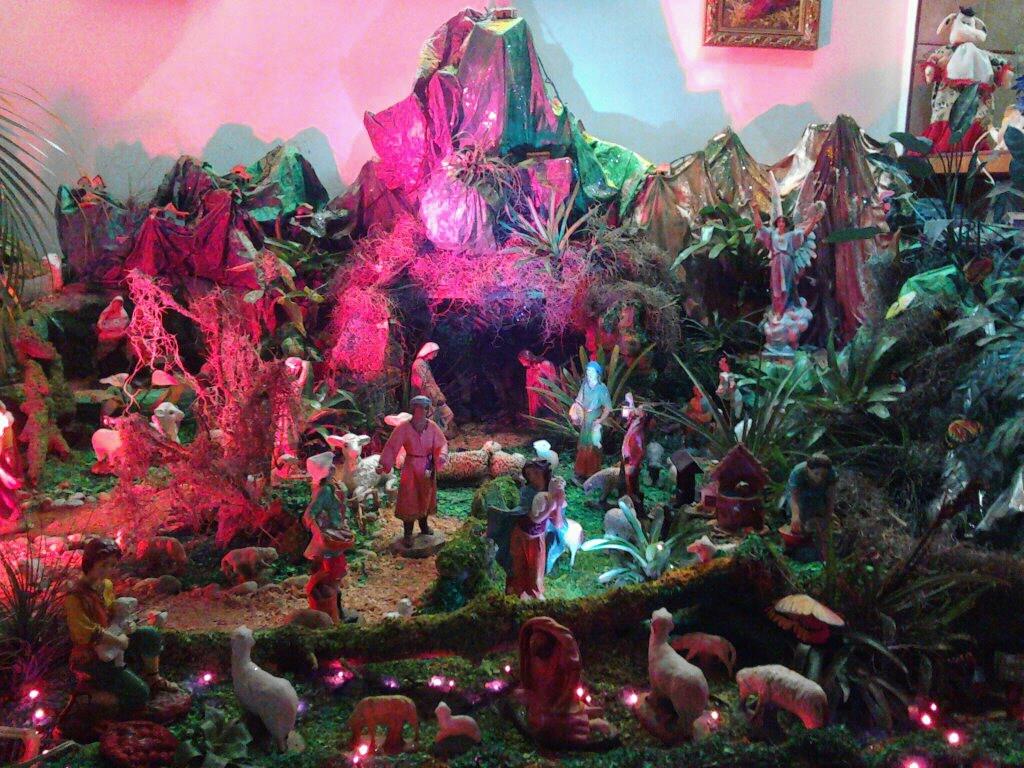
The centerpiece of Venezuelan Christmas decoration is the pesebre or nacimiento, the nativity scene. Families set them up with care, sometimes filling whole rooms or yards with miniature hills, rivers, moss, and villages built around the manger. Figures are added through the season, and in many homes the small image of the Christ child is not laid in the manger until midnight on Christmas Eve, the moment of his birth. The Christmas tree, the arbolito, is common too, especially in cities, but for many homes the pesebre comes first, and the two often stand side by side.
Who Brings the Gifts?
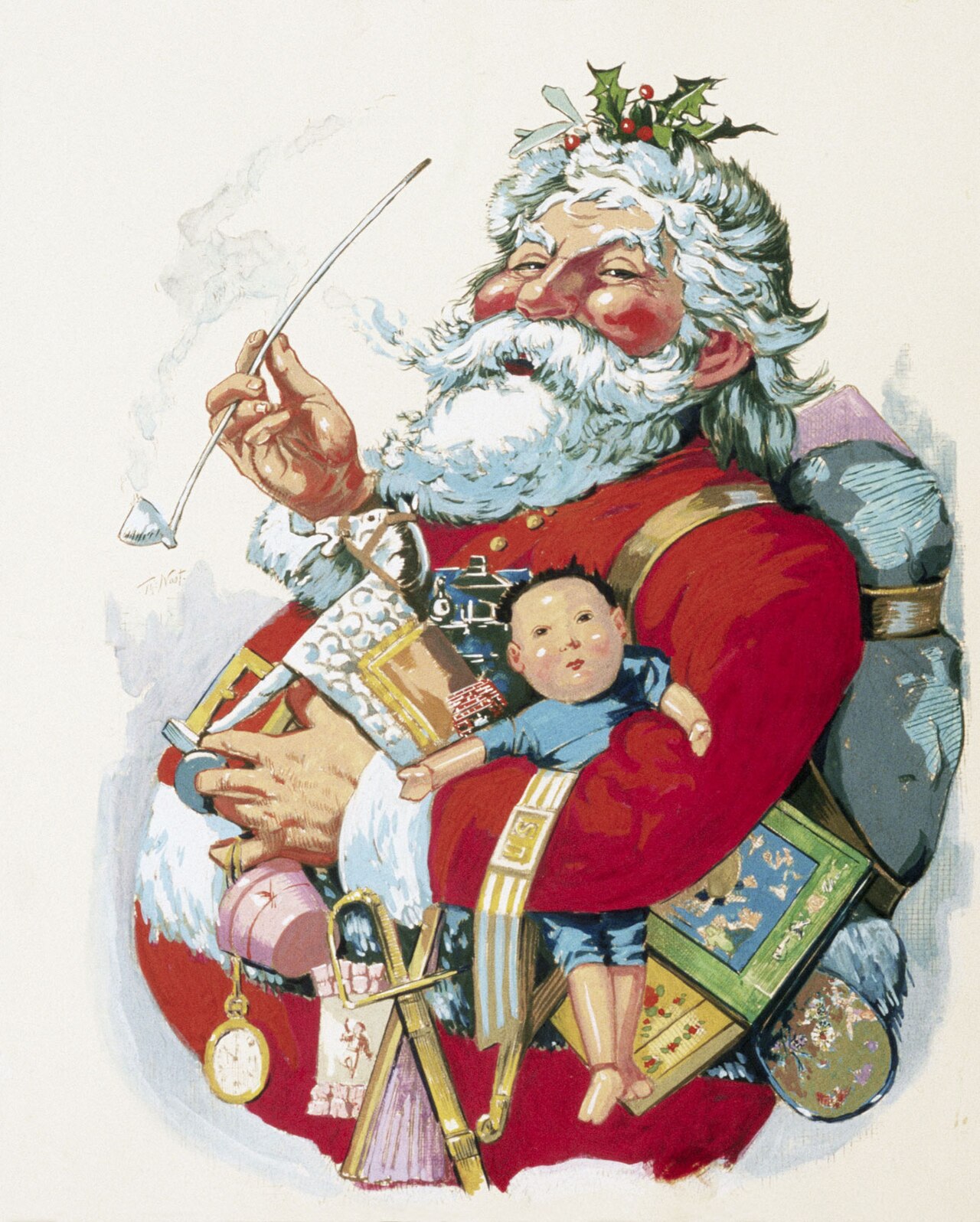
By tradition it is the Niño Jesús, the Christ child, who brings presents to Venezuelan children, leaving them by the pesebre or the tree to be found at midnight or on Christmas morning. Children often write a short letter to the Niño Jesús asking for what they hope to receive. In recent decades San Nicolás, Santa Claus, has become a familiar figure too, and in many families the two happily coexist, with the Christ child honored as the reason for the season and Santa adding a layer of modern fun.
The Paradura del Niño
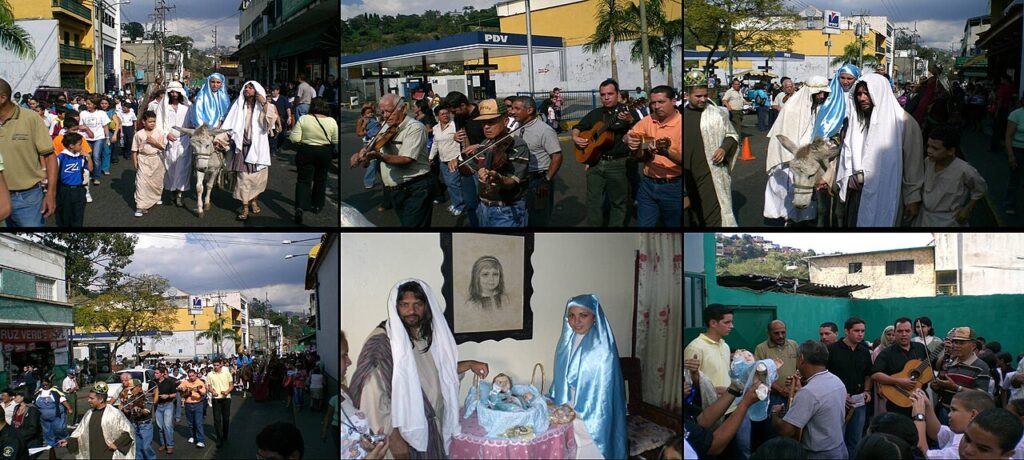
In the Andean states, above all Mérida, Christmas leads into one of Venezuela’s most distinctive customs, the Paradura del Niño, the “standing up of the Child.” Held from late December through early February, it is a ceremony in which the figure of the Christ child is lifted from the manger and carried in procession, with chosen godparents, music, fireworks, and a shared meal afterward.
The chosen padrinos, godparents of the Child, carry the figure under a decorated cloth while violins, cuatros, and singers perform the verses of the paradura. Afterward everyone shares food and drink, and the hosts are thanked for keeping the tradition alive for another year.
It is often preceded by a playful robo y búsqueda del Niño, the “theft and search for the Child,” in which the figure is hidden and then sought, an excuse for yet another gathering. The season closes gently this way, well into the new year, long after the rest of the world has packed its decorations away.
Día de los Santos Inocentes
December 28 brings the Día de los Santos Inocentes, the Day of the Holy Innocents, a date for pranks much like April Fools’ Day. People play tricks and spread tall tales, and the newspapers and television join in with invented stories. In some towns it sparks colorful folk festivals, such as the masked locos y locainas of Falcón and the Zaragoza in Sanare, where revelers in bright costumes and masks fill the streets with music, dancing, and promises fulfilled.
Saying Merry Christmas in Venezuela
The greeting is Feliz Navidad, often extended to Feliz Navidad y próspero año nuevo, Merry Christmas and a prosperous new year. You will hear it on the street, on the radio, and between the verses of every gaita.
Christmas in Venezuela is a season of family kitchens, dawn skating, and music that starts weeks early and ends deep into the new year. Few holidays anywhere blend faith, food, and festivity quite so warmly, or stretch over so many weeks of celebration. To see how it compares, explore our guide to Christmas around the world, the Christmas foods of different countries, the global cast of Christmas gift-bringers, and our overview of Christmas history and traditions.