India is not a Christian country, yet it celebrates Christmas on a scale few places can match. Among its vast population are tens of millions of Christians, and in places like Goa and Kerala, the holiday is woven deep into local life. Streets glow with giant paper star lanterns, kitchens fill with trays of homemade sweets, and churches overflow at Midnight Mass. Here is how India celebrates Christmas, known across the north as Bada Din, the Big Day.
A Minority Holiday on a Huge Scale
Christians make up only about 2.3 percent of India’s people, according to the 2011 census. But in a country of well over a billion, that small share still adds up to roughly 28 million Christians, one of the larger Christian populations anywhere in the world.
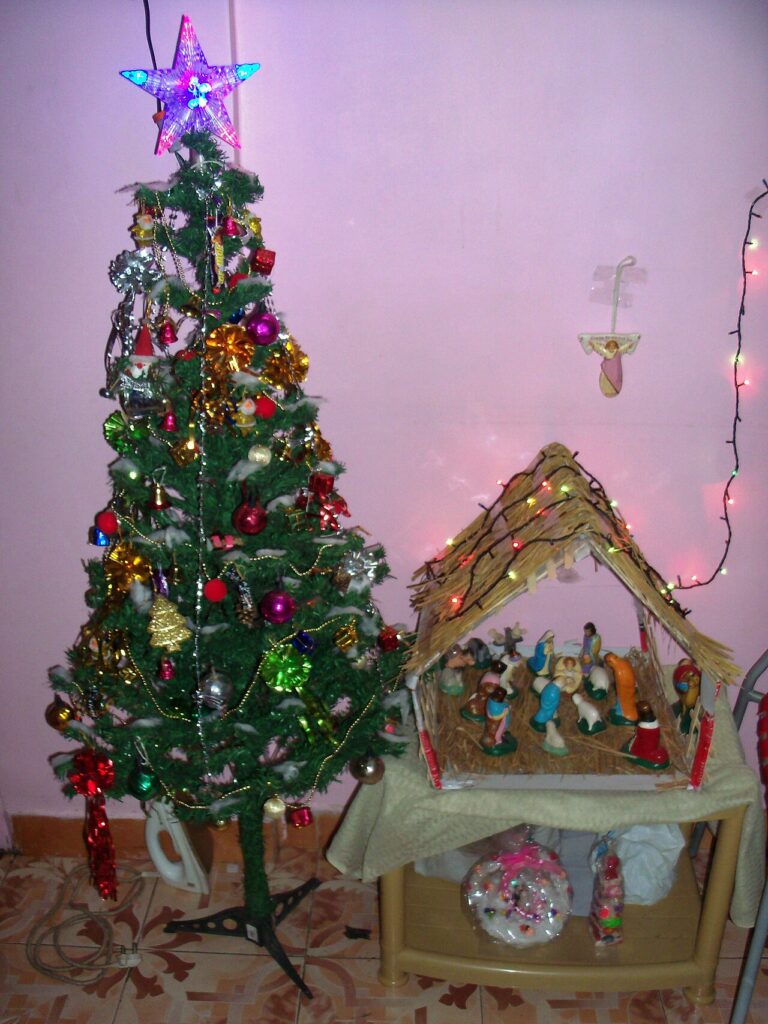
Christmas, December 25, is a public holiday across all of India, observed by Christians and enjoyed by many others as a bright midwinter festival. In Hindi it is often called Bada Din, “the Big Day.” The look of an Indian Christmas is its own: because fir trees are scarce, families may decorate a mango or banana tree, a potted plant, or simply hang lights and ornaments on whatever greenery is at hand.
Goa: India’s Christmas Capital
No part of India keeps Christmas like Goa. The small coastal state was a Portuguese colony for about 450 years, from 1510 until 1961, and that long Catholic heritage shaped its faith, food, and festivals. About a quarter of Goans are Christian today, almost all Roman Catholic, a far larger share than in India as a whole, and Christmas there feels both Indian and Iberian at once.
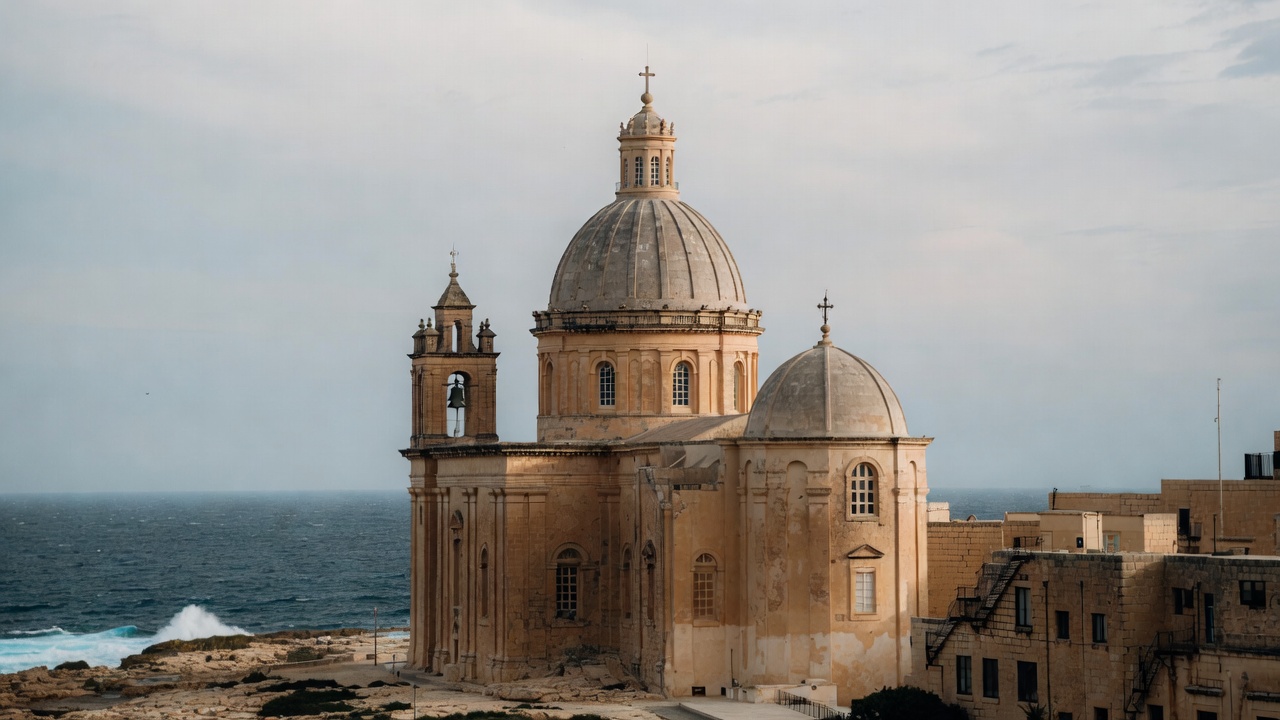
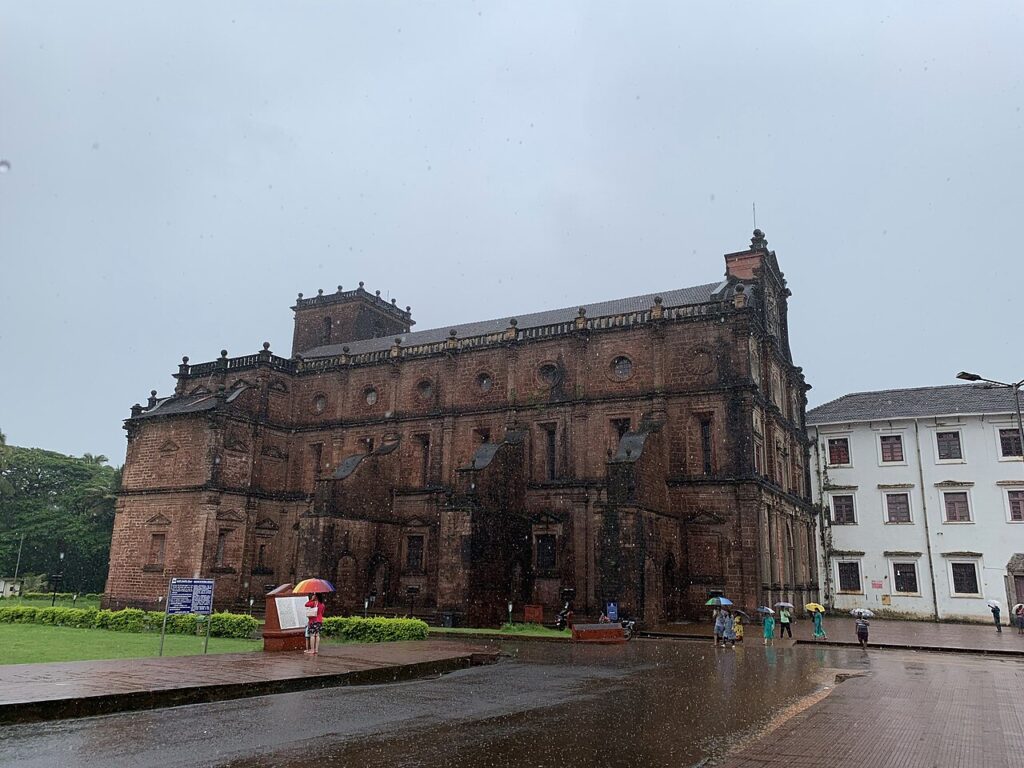
The heart of the celebration is Midnight Mass on Christmas Eve, known by the old Portuguese name Missa do Galo, the Mass of the Rooster. Families dress in their finest and fill the churches, none more storied than those of Old Goa, the Basilica of Bom Jesus, which holds the relics of St Francis Xavier, and the grand Se Cathedral nearby, both protected as a UNESCO World Heritage site. After Mass, families return home for the feast and the opening of gifts, and the celebration carries on through Christmas Day with visits to relatives and neighbors, plates of sweets passed at every door.
The Christmas Star Lanterns
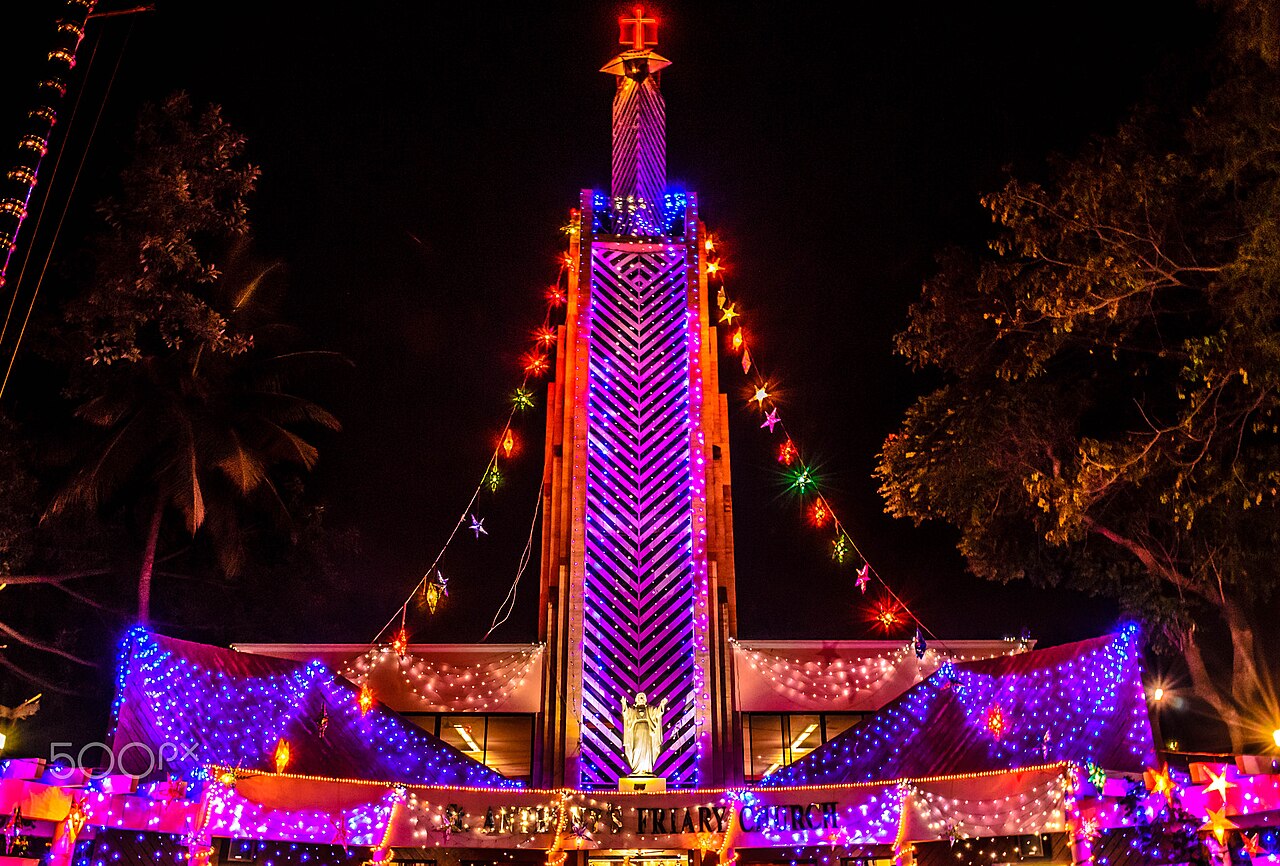
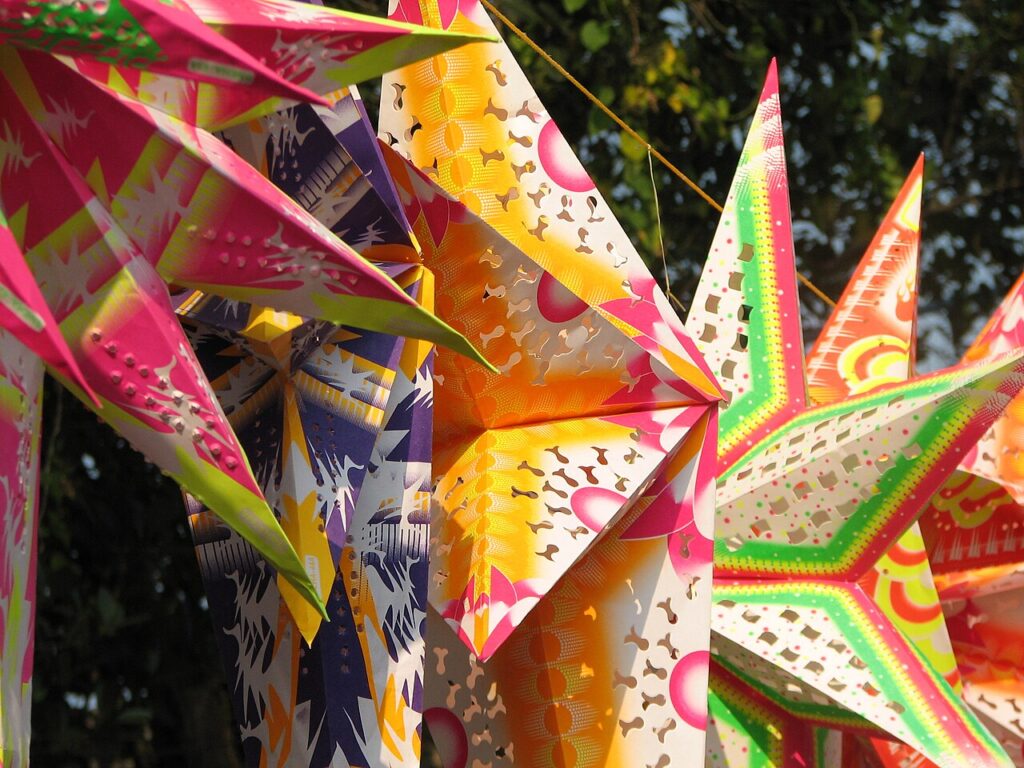
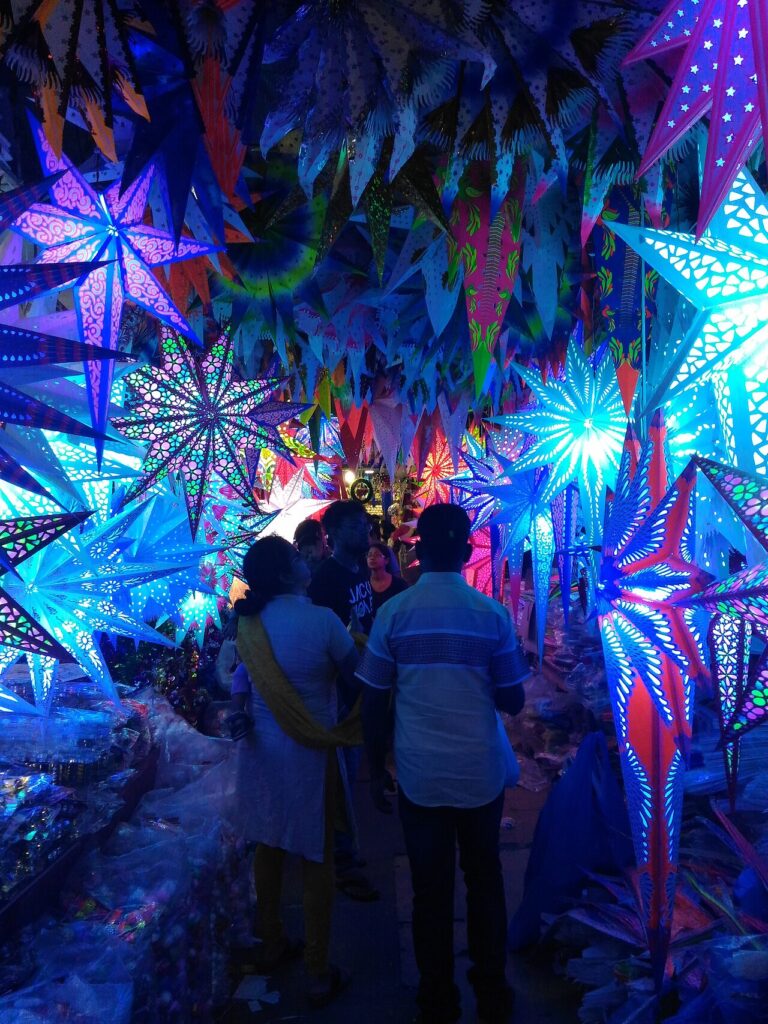
The most recognizable sight of an Indian Christmas is the star lantern. From late November, brightly colored paper and plastic stars appear for sale at roadside stalls, then go up outside homes, shops, and churches, glowing after dark. In Christian neighborhoods whole streets are strung with them, a constellation hung at human height. They come in every size and color, from small paper ones for a window to vast illuminated stars several feet across that crown church towers and rooftops. The star recalls the Star of Bethlehem that led the Magi to the manger, and for many Indian Christians, hanging it is the first sign that Christmas has truly arrived.
Kuswar: The Sweets of Christmas
In Goa and in the Mangalorean Catholic communities of coastal Karnataka, no Christmas is complete without kuswar, a homemade assortment of festive sweets and snacks. A kuswar is traditionally said to include as many as twenty two varieties, though most families make a selection, anywhere from about ten upward, prepared over days and shared generously with neighbors and visitors. The Mangalorean Catholics, descended from Goan families who migrated south centuries ago, share the same tradition. Making the kuswar is a household event in its own right, with several generations rolling, frying, and layering together in the days before Christmas, the kitchen warm and noisy and smelling of coconut and jaggery.
The lineup is rich and varied:
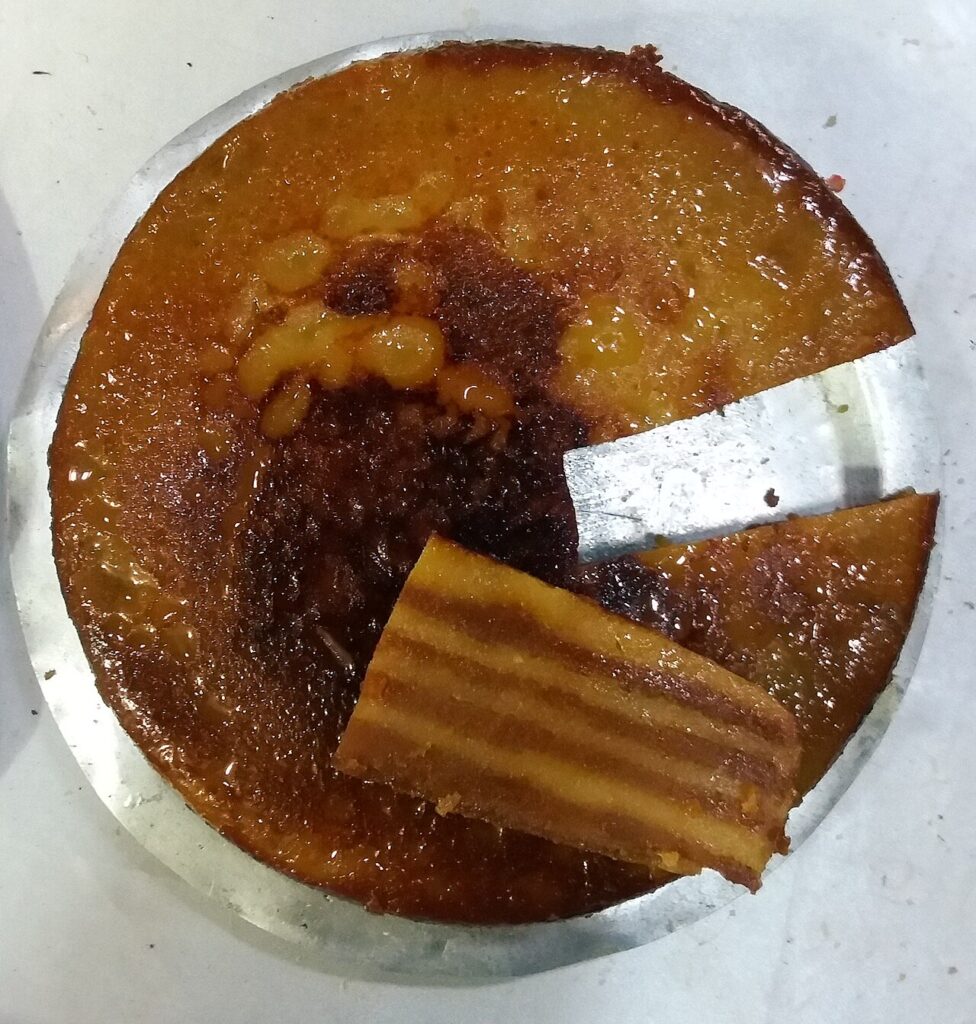
- Bebinca, the queen of Goan desserts, a dense cake of many thin layers baked one at a time from coconut milk, egg yolk, and sugar.
- Kulkuls, also called kidiyo, small curls of fried dough rolled on a fork and dusted or glazed with sugar.
- Neureos or nevri, crescent pastries stuffed with coconut, jaggery, and dried fruit.
- Dodol, a dark, sticky sweet of coconut, jaggery, and rice flour.
- Perad, a firm guava cheese, along with marzipan, doce, and milk cream.
Plum Cake and the Cake Mixing
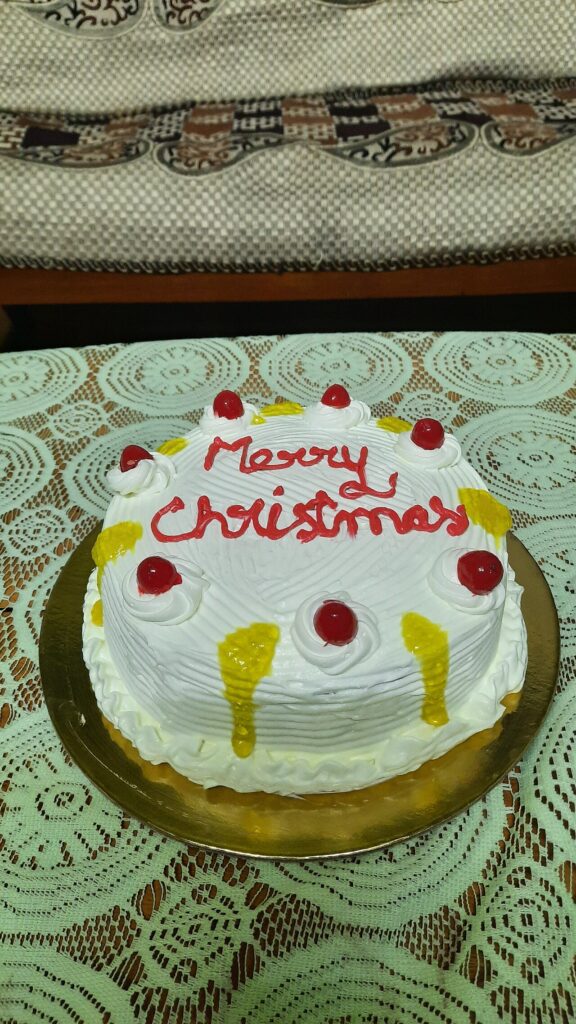
The other essential is the Christmas plum cake, a dark, rich fruit cake heavy with dried fruit and spices, often soaked in rum or wine. It is an inheritance of the Anglo-Indian and British presence and is now baked and gifted across the country.
Many hotels and bakeries hold a festive cake mixing ceremony in November, a lively event where chefs and guests plunge their hands into great mounds of dried fruit and pour in rum, brandy, and wine, then leave the mix to mature for weeks before the baking season. Kolkata’s grand old bakeries are especially known for it. In Kerala, plum cake paired with homemade grape wine is a Christmas fixture in many Christian homes.
The Goan Christmas Table
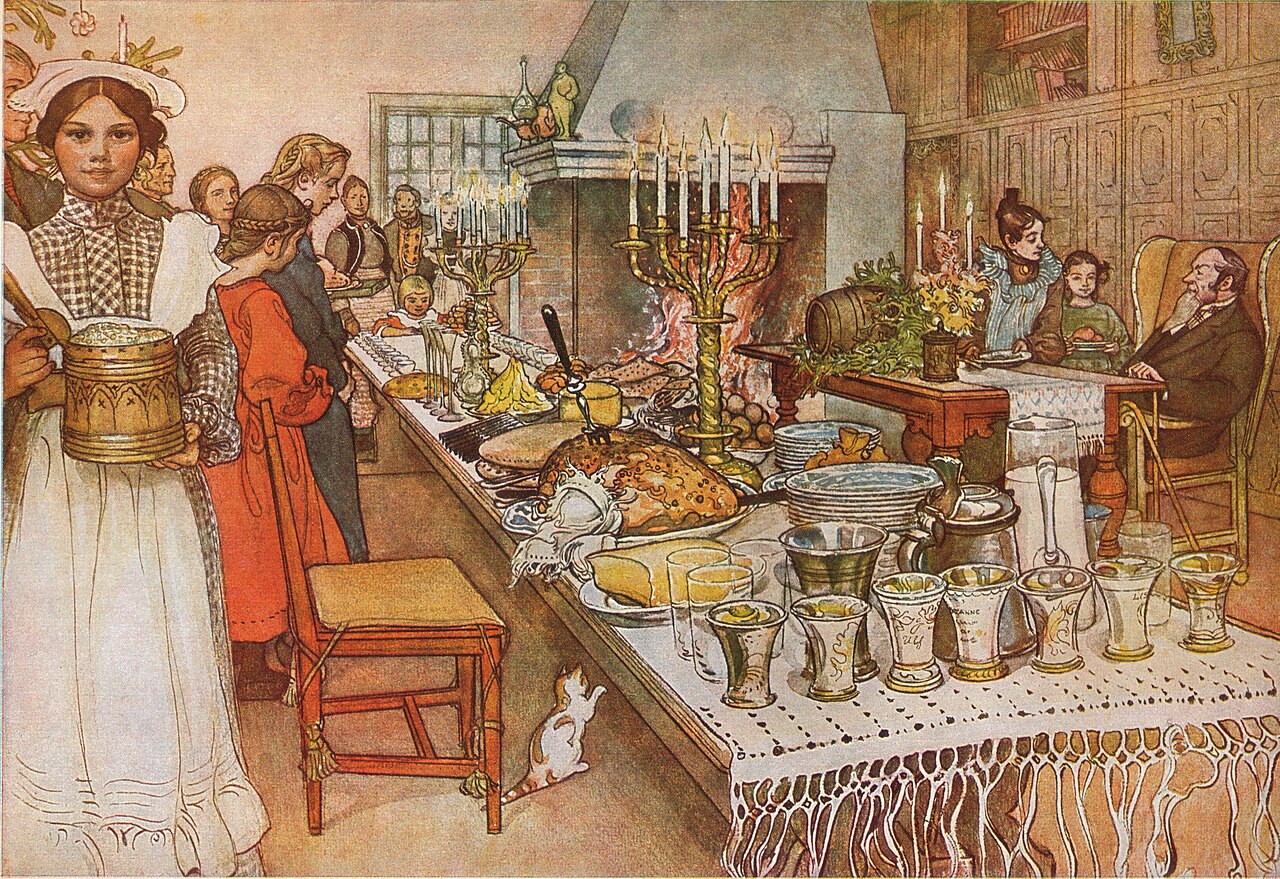
Beyond the sweets, the Goan feast is famous for its bold, Portuguese influenced dishes. Christmas tables carry sorpotel, a tangy, spicy pork stew traditionally served with sannas, soft steamed rice cakes, along with pork vindaloo and homemade Goan sausage, the chouriço. The Christmas Eve gathering and its food are known as the consoada. The table is generous and shared widely. Neighbors send plates of sweets back and forth, relatives arrive from across India and abroad, and the meal can stretch from the return from Midnight Mass into the early hours. For Goan families scattered around the world, Christmas is the great reason to come home.
Cribs, Trees, and Decorations
Homes and churches set up the nativity crib, the presépio, often the centerpiece of the decorations. Around it go lights, tinsel, and the family tree, real or improvised, while the star lantern hangs outside. In the days before Christmas, groups of carol singers visit house to house, gathering small donations for the church or charity, and fireworks and firecrackers are common on the night itself. Churches hold special services and competitions for the best crib, and many towns string lights across their main streets.
Kerala, Mangalore, and Beyond
Christianity in India is far older than the colonial era. The Saint Thomas Christians of Kerala trace their origins to the apostle Thomas, who by long tradition reached the Malabar coast in the first century. Kerala and Mangalore both have large, ancient Christian communities, and their Christmas brings its own sweets, plum cake, and dishes such as appam, lacy rice pancakes, with a rich meat stew. Homes are scrubbed and whitewashed before the feast, and the family gathers after Midnight Mass to break the Advent fast together.
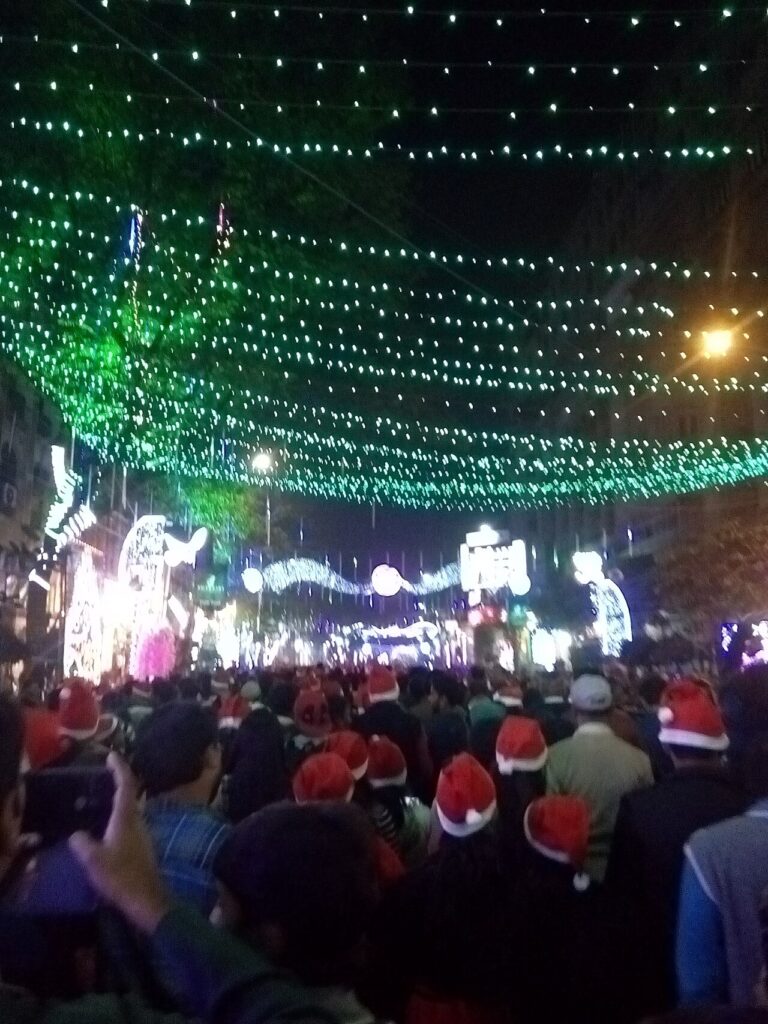
Christmas lights up India’s cities too. In Mumbai, the Catholic neighborhoods of Bandra and the East Indian community celebrate with gusto, while in Kolkata the lights and crowds of Park Street make it one of the country’s great Christmas sights. In the Christian majority states of the northeast, such as Nagaland, Mizoram, and Meghalaya, Christmas is the biggest festival of the year, marked by community feasts and powerful choir and carol singing.
Santa and Christmas Greetings
Santa Claus is a familiar figure, often called simply Santa or Christmas Baba. In Tamil and Telugu speaking areas he is Christmas Thatha, Grandfather Christmas, while in Kerala he is Christmas Papa. In the Kerala port city of Kochi a giant Santa effigy called the Pappanji is burned at midnight on New Year’s Eve, tying the season to the year’s end. Greetings come in many tongues. English “Merry Christmas” is everywhere, in Hindi people say Bade Din ki shubhkaamnaayein, and in Goa a Konkani greeting is Khushalbhorit Natalam, a joyful Christmas, though romanized spellings vary.
One Long Festive Season
In Goa especially, Christmas opens a continuous festive stretch that runs straight into New Year. The state fills with visitors, beach shacks and village squares host music and dancing, and older Portuguese influenced traditions such as the graceful mando song and dance still appear at gatherings. Decorations stay up, parties carry on, and the celebration only winds down after the first of January.
Christmas in India is a festival of light and generosity, shaped by ancient churches, colonial history, and the simple joy of sharing sweets. From the lit facades of Old Goa to the star strung lanes of Kerala and the choirs of the northeast, it is celebrated in countless local forms across a vast and varied land. To see how it compares, explore our guide to Christmas around the world, the Christmas foods of different countries, the global cast of Christmas gift-bringers, and our overview of Christmas history and traditions.