Christmas is the most widely celebrated holiday on Earth. Around two billion Christians mark it as the birth of Jesus of Nazareth. Many more keep it as a secular winter season of light, generosity, and time with family. It is a public holiday in over 160 countries, yet the way people actually celebrate changes a great deal from one place to the next. Some families gather on Christmas Eve for a meatless feast. Others line up at a fast food counter for fried chicken. In much of Spain and Latin America, the main gifts do not arrive until January 6.
This guide is your starting point. It explains when Christmas falls in 2026, where its best loved traditions came from, what they mean, how different countries celebrate, and the food, music, and folklore that bring the season to life. Use the sections below to jump to what interests you most.
When Is Christmas 2026?
Christmas Day 2026 falls on Friday, December 25. Because it lands on a Friday, much of the world gets a three day weekend. In many countries, including most of Europe and Latin America, the main celebration happens the evening before, on Christmas Eve, Thursday, December 24. Families share a large meal, exchange gifts, and many attend a midnight church service.
Christmas is a season rather than a single day. The festive period begins weeks earlier and runs well into the new year. Here are the key dates for 2026 and early 2027.
| Date | Observance | What it marks |
|---|---|---|
| Sun, Nov 29, 2026 | First Sunday of Advent | Start of the four week run-up to Christmas |
| Sun, Dec 13, 2026 | St. Lucia’s Day | A festival of light, especially in Scandinavia |
| Thu, Dec 24, 2026 | Christmas Eve | Main celebration in many countries |
| Fri, Dec 25, 2026 | Christmas Day | The Nativity of Jesus |
| Sat, Dec 26, 2026 | Boxing Day, St. Stephen’s Day | A holiday across the UK and Commonwealth |
| Dec 25 to Jan 5 | The Twelve Days of Christmas | The festive season through Twelfth Night |
| Wed, Jan 6, 2027 | Epiphany, or Three Kings’ Day | Visit of the Magi, and gift day in Spain and Latin America |
| Thu, Jan 7, 2027 | Orthodox Christmas | Christmas for churches following the Julian calendar |
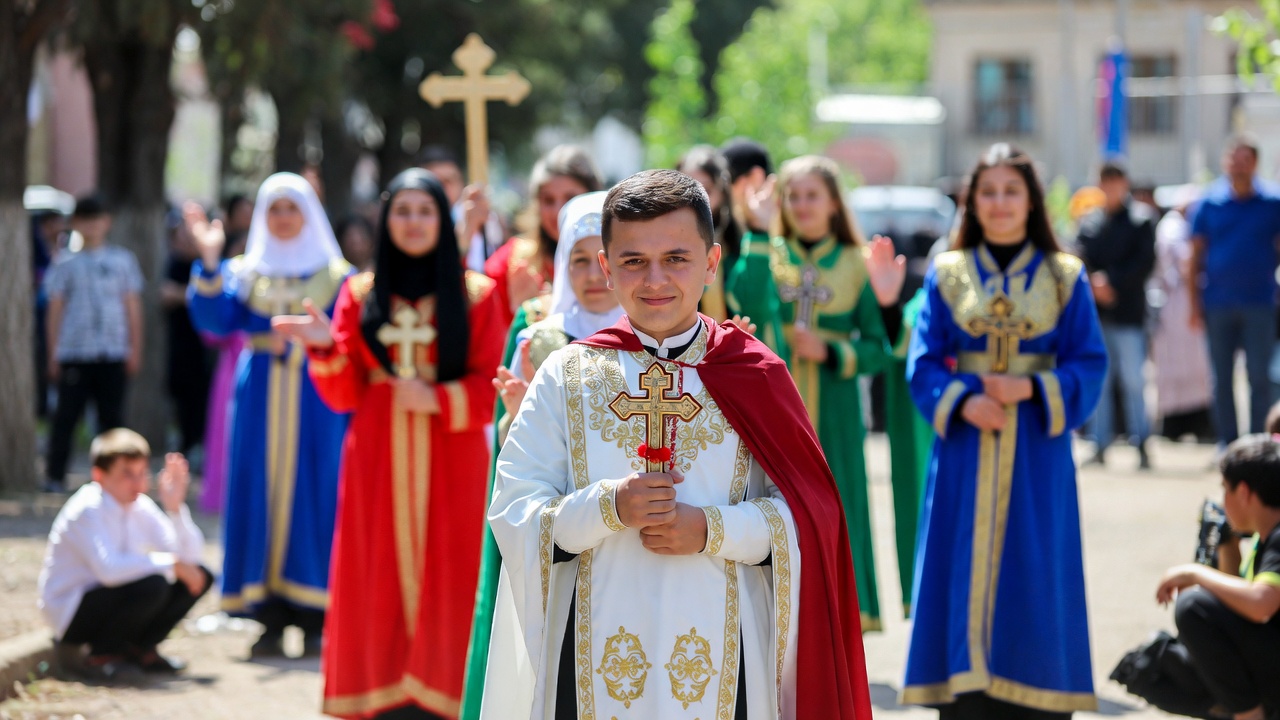
Some Christians celebrate on January 7 instead. Several Orthodox churches still set the date by the older Julian calendar. These include the Russian, Serbian, Georgian, and Ethiopian Orthodox churches. The Julian calendar now runs 13 days behind the Gregorian calendar that most of the world uses. That is why their Christmas falls in early January.
What Is Christmas?
The word “Christmas” comes from the Old English Crīstesmæsse. It means “Christ’s Mass,” the church service that celebrates the birth of Christ. At its religious core, Christmas is the Christian feast of the Nativity. It marks the belief that God was born into the world as a child in Bethlehem.
Over time, Christmas grew into something much broader. Today it is also a cultural midwinter festival. It centers on family, generosity, food, and light. People of many faiths, and none, take part in some form. In countries like Japan and South Korea, where Christians are a small minority, Christmas is still widely enjoyed as a festive and romantic season. Both versions of Christmas are real. Both are worth understanding.
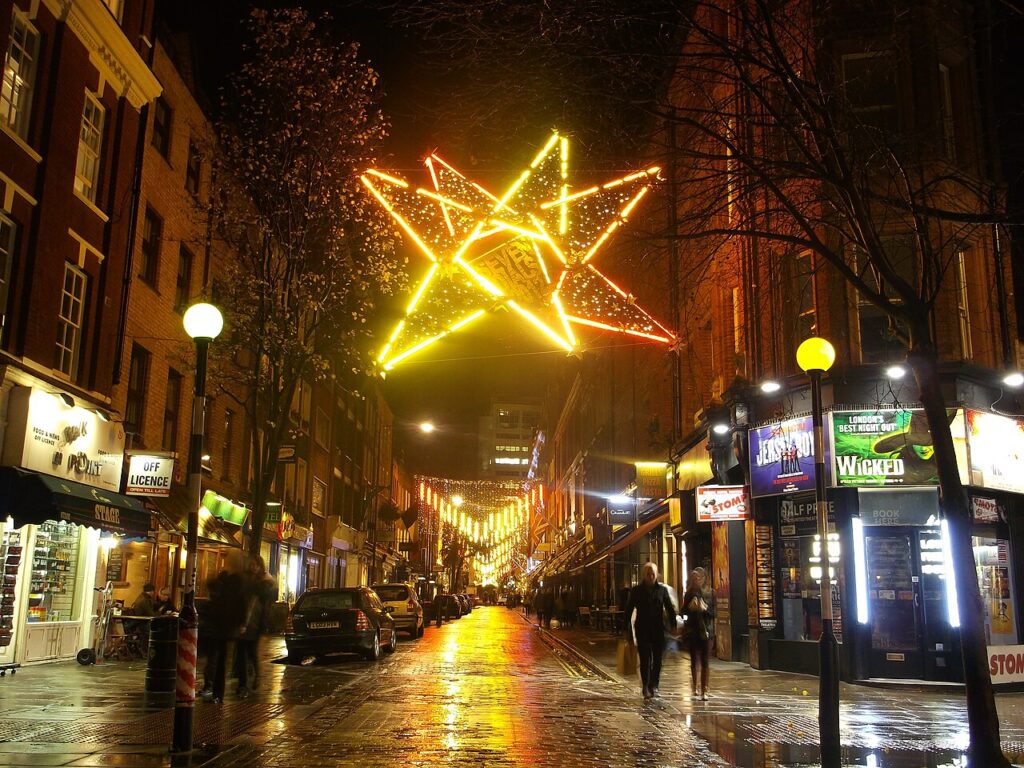
The Origins of Christmas
The Christmas we know today was built from many traditions layered over nearly two thousand years. No single person or moment invented it. It grew slowly, borrowing customs from older festivals and reshaping them over the centuries. This is the short version. For the full story, see our deep dive into the history of Christmas.
Older midwinter festivals
Long before Christmas, people across the Northern Hemisphere held festivals around the winter solstice. This is the shortest and darkest day of the year. These festivals welcomed the return of the sun and the slow lengthening of the days. The Romans held Saturnalia in mid December. It was a lively festival of feasting, role reversal, and gift giving. Germanic and Norse peoples kept Yule, which gave us the Yule log and the word itself. Many familiar customs echo these earlier celebrations. Evergreens, candles, feasting, and acts of charity all have roots that reach back before the first Christmas.
Why December 25?
The Bible does not record the date of Jesus’s birth. December 25 was not fixed until the 4th century. Historians offer two main explanations, and both may have played a part. The first links the date to a Roman sun festival called Dies Natalis Solis Invicti, the “Birthday of the Unconquered Sun,” which also fell on December 25. Choosing the same date may have helped the new faith take root. The second is known as the calculation theory. It counts nine months forward from March 25, the traditional date of the Annunciation, when Christians believe Jesus was conceived.
From St. Nicholas to the Victorian revival
The figure we now call Santa Claus began with St. Nicholas of Myra, a 4th century bishop known for quiet generosity. His feast day on December 6 is still a major gift giving day in much of Europe. Many of today’s other customs are surprisingly recent. The Christmas tree was a German tradition. It spread across the English speaking world after Britain’s Prince Albert brought it into the royal household in the 1840s. The first commercial Christmas card appeared in 1843. That was the same year Charles Dickens published A Christmas Carol. The story did a great deal to make Christmas the warm, family centered, and charitable holiday it became.
The Christmas Season, from Advent to Epiphany
For many Christians, Christmas Day is the peak of a longer journey. That journey has clear stages, each with its own customs.
- Advent. The four weeks before Christmas. It is a season of preparation and reflection. Families light a candle on the Advent wreath each Sunday. Children open a window on an Advent calendar each day.
- Christmas Eve. December 24. In much of Europe and Latin America this is the main event, with a feast and a midnight service.
- Christmas Day. December 25. The feast of the Nativity.
- The Twelve Days of Christmas. December 25 to January 5. The festive days that the famous carol counts.
- Epiphany. January 6. It remembers the visit of the Magi to the infant Jesus. In Spain and much of Latin America, this is the main day for gifts.
This is why the season feels different from one country to the next. Some peak on the Eve, some on the Day, and some hold their biggest celebration in January.
Core Christmas Traditions and What They Mean
Most Christmas symbols carry meaning that was built up over generations. Knowing the story behind each one makes the season richer. Our spoke guide to Christmas symbols and decorations explains the meaning behind the tree, wreath, holly, mistletoe, and more. For hands on ideas, see our guide to Christmas activities and family traditions to start.
| Tradition | Where it comes from |
|---|---|
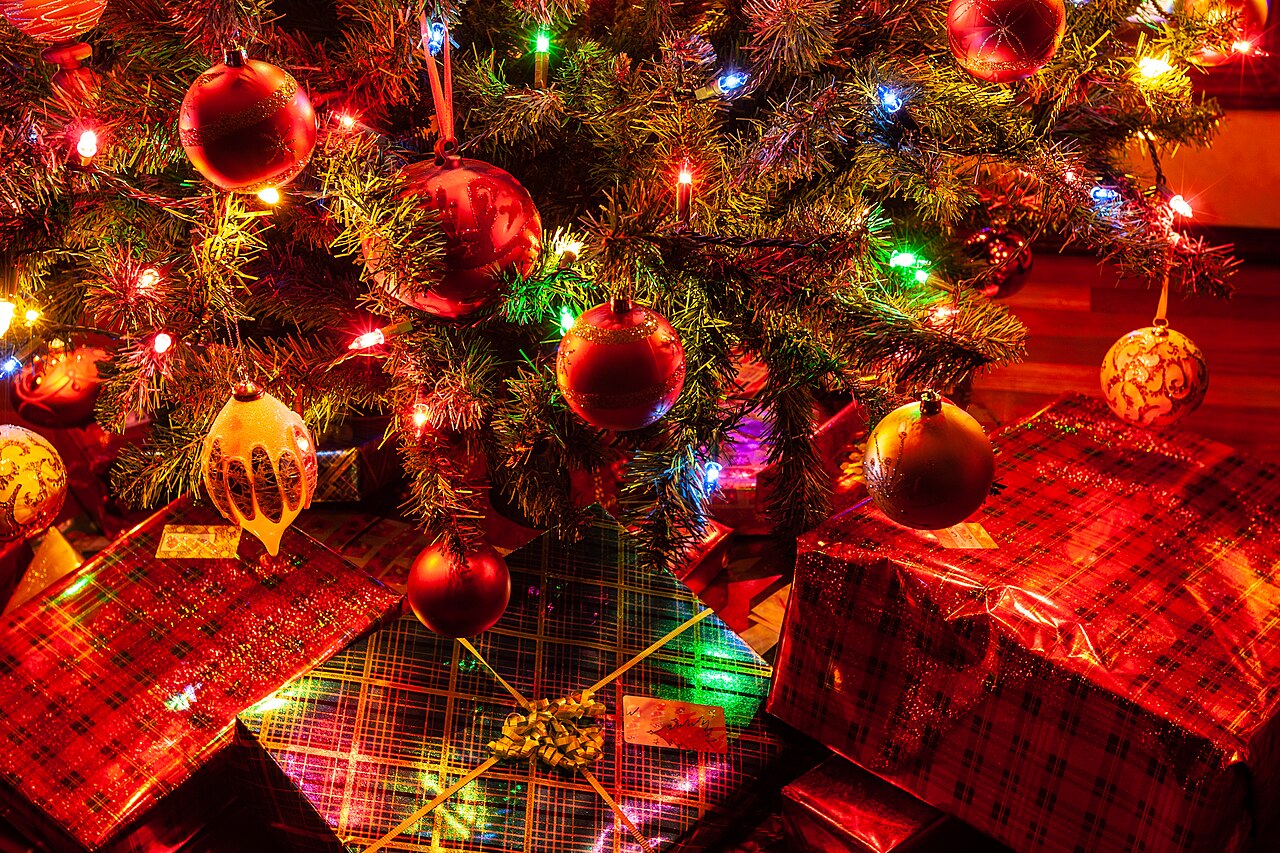
| The Christmas tree | An evergreen that stands for everlasting life. Decorated indoors since 16th century Germany. |
| Lights and candles | A nod to the older theme of light returning in the depths of winter. |
| The wreath | A circle of evergreen with no beginning or end. A symbol of eternity. |
| Stockings | Linked to legends of St. Nicholas, who left gifts in secret. |
| Mistletoe | An old symbol of peace and fertility. The source of the kissing custom. |
| The Nativity scene | A model of the stable in Bethlehem. Made popular by St. Francis of Assisi in 1223. |
| Christmas cards | A Victorian invention from 1843, sent to share good wishes at a distance. |
| Carol singing | Festive songs taken door to door, a custom with medieval roots. |
Christmas Greenery and Plants
Bringing greenery indoors is one of the oldest parts of the season. Each plant carries its own meaning.
- Holly. Its sharp leaves and bright red berries have long stood for protection and for life enduring through winter.
- Ivy. Often paired with holly. Because it clings and survives, it came to stand for friendship and faithfulness.
- Mistletoe. An old symbol of peace. Enemies who met beneath it were said to lay down their weapons, which is one root of the kissing custom.
- Poinsettia. Native to Mexico, where it is known as the “flower of the Holy Night.” Its red and green leaves made it a natural Christmas plant.
How Christmas Is Celebrated Around the World
This is where Christmas gets interesting. The same holiday takes very different forms around the globe. The customs below show just how varied one season can be. Our spoke guide to Christmas around the world walks through 25 countries and the unique custom behind each one. For the most festive places to experience it in person, see our guide to the best places to spend Christmas.
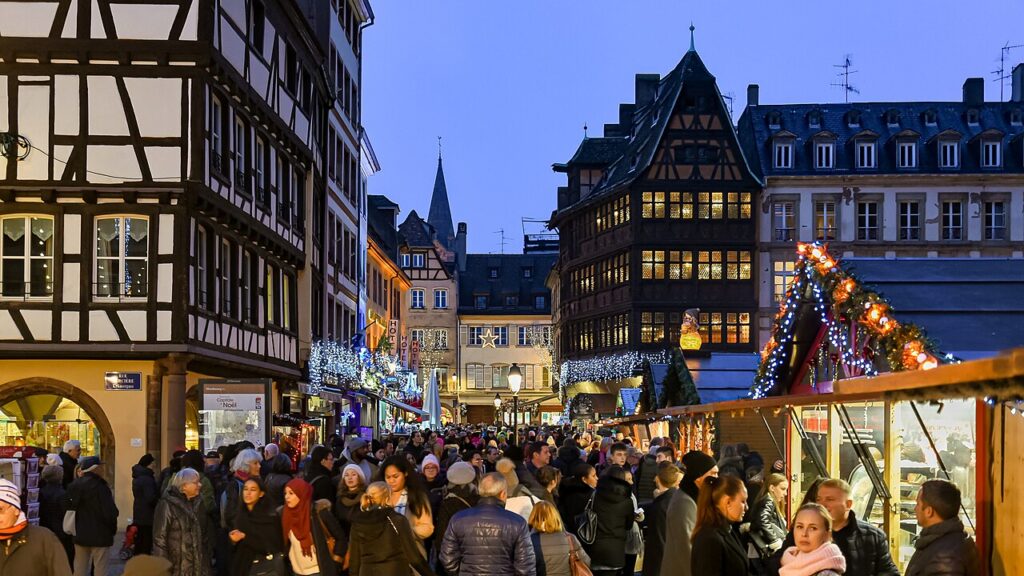
- Germany. The home of the Weihnachtsmarkt, the open air Christmas market. Stalls sell mulled Glühwein, roasted nuts, and handmade gifts. The Advent wreath and the Advent calendar both began here.
- United Kingdom. Roast turkey, crackers pulled at the table, paper crowns, and a televised message from the monarch. Pantomimes fill the theatres, and Boxing Day on December 26 extends the holiday.
- Sweden. St. Lucia’s Day on December 13 opens the season. Processions of children sing, led by a girl wearing a crown of candles.
- Poland. The Christmas Eve supper, called Wigilia, begins when the first star appears. Families share a thin wafer called opłatek and set an extra place at the table for an unexpected guest.
- Iceland. Children are visited not by one Santa but by thirteen Yule Lads. These mischievous figures leave a small gift, or a rotting potato, in a shoe placed on the windowsill.
- Italy. Many families share the Feast of the Seven Fishes on Christmas Eve. Children wait for La Befana, a kindly old woman who brings gifts at Epiphany.
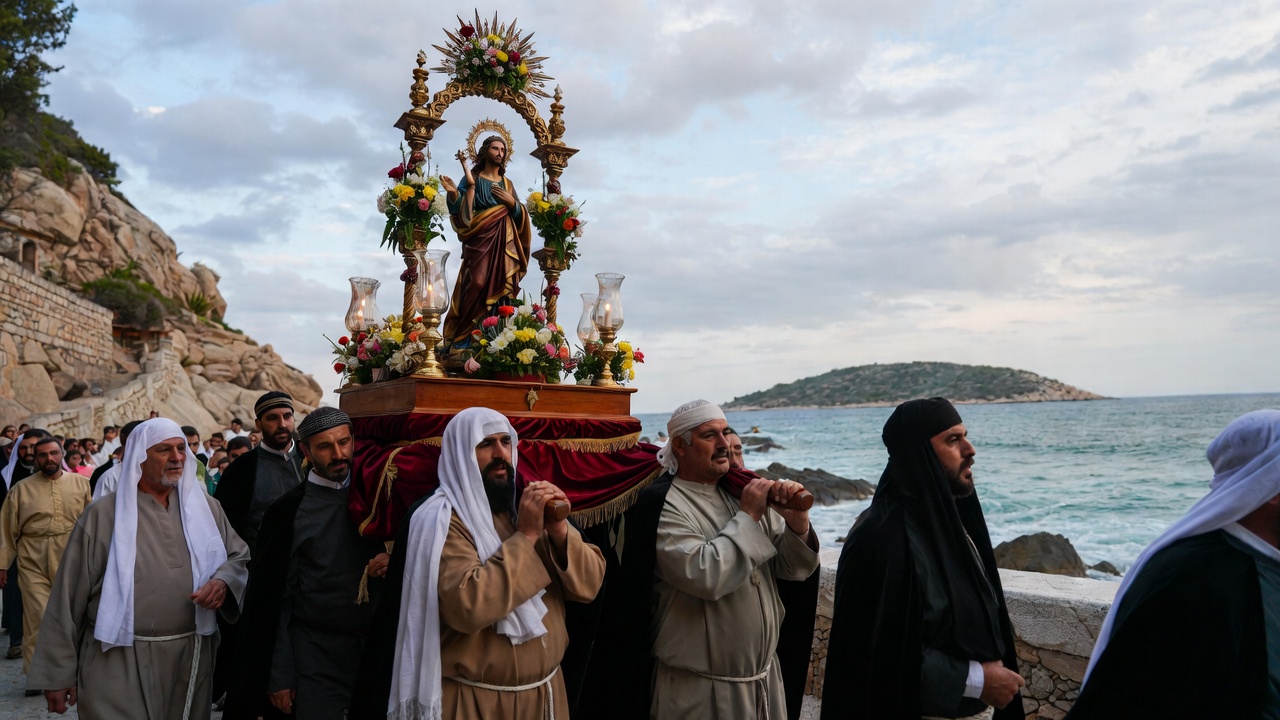
- Spain. The Nochebuena feast on Christmas Eve, the huge El Gordo lottery on December 22, and the Three Kings as the main gift bringers on January 6.
- Mexico. Las Posadas, held December 16 to 24, re-enacts Mary and Joseph’s search for shelter with nightly processions, carols, and piñatas.
- Venezuela. In Caracas, many families roller skate to early morning Mass. The streets are closed to traffic so they can glide there safely.
- The Philippines. Home to the world’s longest Christmas season. The dawn Mass series Simbang Gabi runs for nine days, and bright star shaped parol lanterns light up homes and streets.
- Japan. A largely secular celebration. Thanks to a 1974 marketing campaign, many families order fried chicken for Christmas dinner. A light strawberry sponge cake is the classic dessert.
- India. Christian communities in Goa and Kerala hold midnight Mass and decorate homes with paper stars and oil lamps.
- United States. A blend of customs carried over by many immigrant cultures. Homes glow with lights, children leave cookies for Santa, and families gather for a turkey or ham dinner.
- France. A late night supper called le réveillon follows midnight Mass. In Provence, nativity scenes are filled with small clay figures known as santons.
- Norway. Families share a long Christmas Eve meal. One old custom is to hide the brooms, from a belief that spirits roamed on Christmas Eve.
- Greece. Children sing carols called kalanta from house to house. Many families wait until New Year’s Day, when St. Basil brings the gifts.
- Brazil. Another summer Christmas. Papai Noel brings gifts, and many attend Missa do Galo, the late night “Mass of the Rooster.”
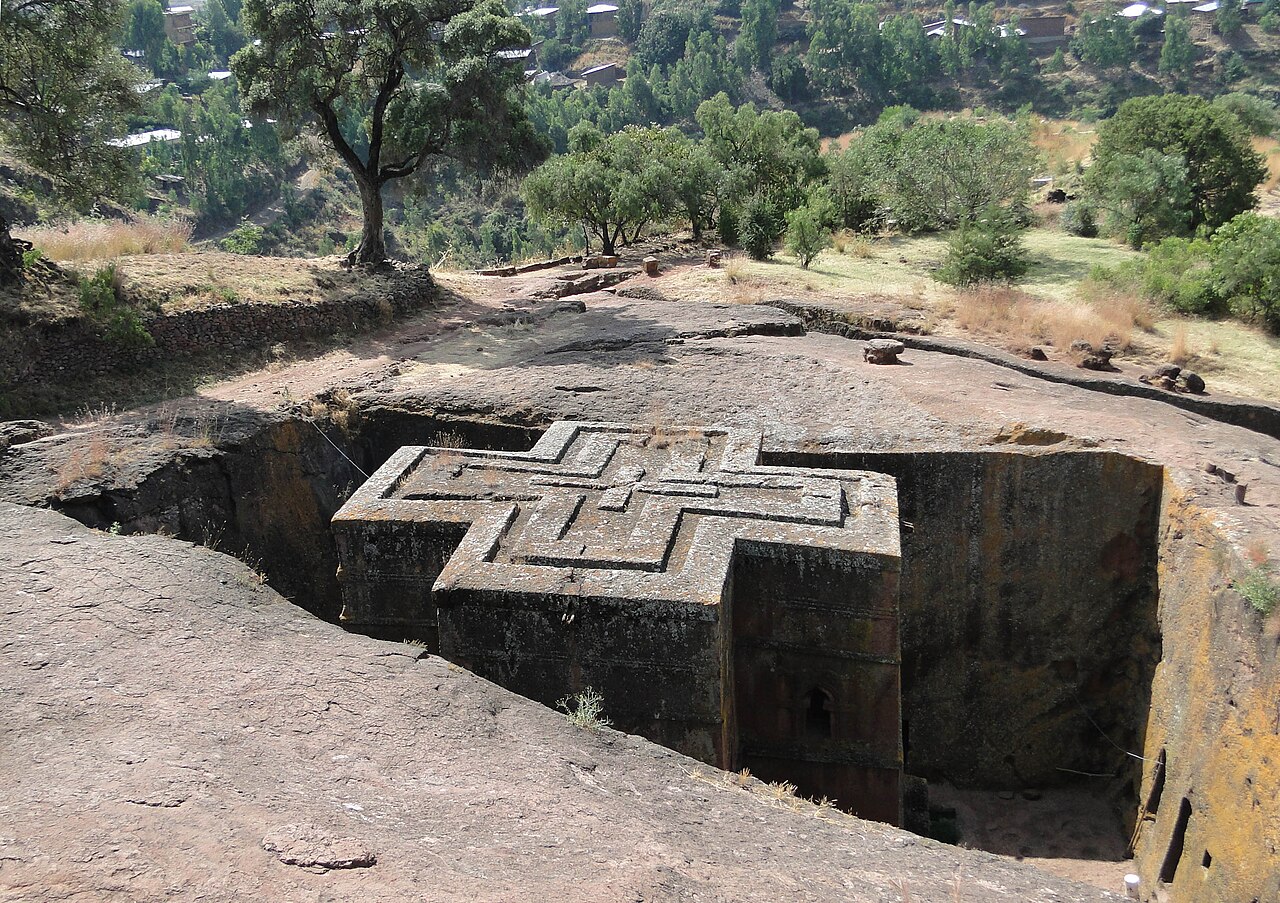
- Ethiopia. Orthodox Christians celebrate Ganna on January 7 with white robes, all night services, and a traditional game played with curved sticks.
- Australia. Christmas falls in summer. Celebrations move to the beach, the barbecue, and outdoor “Carols by Candlelight” concerts.
For a country by country tour, with 25 nations and their unique customs, see our full guide to Christmas around the world.
When Gifts Arrive Around the World
Even gift giving has no single rule. The day presents appear depends entirely on where you are. This is one of the most surprising facts about the season for many travelers.
| Date | Where gifts arrive then |
|---|---|
| December 6 | St. Nicholas Day. The first gifts for many children in the Netherlands, Germany, and central Europe. |
| December 24 | Christmas Eve. The main gift moment across much of Europe and Latin America. |
| December 25 | Christmas morning. The classic time in the United Kingdom, the United States, and beyond. |
| January 6 | Epiphany. The main gift day in Spain, much of Latin America, and parts of Italy. |
A child in Madrid and a child in London both celebrate Christmas. Yet they may wait nearly two weeks apart to open their presents.
Christmas Food Around the World
No two Christmas tables look the same. The dish at the center of the meal is one of the clearest signs of where you are. The table below shows just a few of the foods that define the day in different countries. Our spoke guide to Christmas foods around the world serves up 30 traditional dishes country by country.
| Country | Signature dish | What it is |
|---|---|---|
| United Kingdom | Roast turkey and Christmas pudding | A roast dinner followed by a steamed fruit pudding |
| Italy | Panettone | A tall, light sweet bread studded with candied fruit |
| Germany | Stollen | A dense fruit bread dusted with sugar |
| France | Bûche de Noël | A rolled sponge cake shaped and decorated like a Yule log |
| Poland | Carp | The traditional centerpiece of the meatless Christmas Eve supper |
| Mexico | Tamales and ponche | Steamed corn parcels and a warm spiced fruit punch |
| Philippines | Bibingka | A warm rice cake cooked in banana leaves |
| Japan | Fried chicken and strawberry cake | A modern tradition born from advertising |

Drinks matter too. Mulled wine warms the markets of central Europe. Eggnog is poured across North America. In Mexico, families ladle out warm ponche from a large pot. Wherever you are, the smell of the kitchen is a big part of how the day feels.
Christmas Music and Carols
Music is the soundtrack of the season. Carols are festive songs that were once sung from door to door. Many of the most loved ones are far older than the recordings we hear in shops today.
- Silent Night. First performed in 1818 in a small Austrian village. The German original is Stille Nacht. It is now sung in hundreds of languages.
- O Holy Night. A French carol from 1847, written by composer Adolphe Adam.
- Jingle Bells. Written in the United States in 1857. It was not even meant for Christmas at first.
- Carol of the Bells. Based on a Ukrainian folk chant called Shchedryk, arranged in the early 20th century.
Beyond the famous carols, every culture brings its own sound to the season. Spain has the rhythmic villancico. The Philippines fills the air with bright choral singing during its long season. The music is a reminder that Christmas is heard as much as it is seen.
Santa Claus and the World’s Gift-Bringers
The jolly figure in red has deep roots. He descends from St. Nicholas of Myra, the generous 4th century bishop. Dutch settlers brought “Sinterklaas” to America. There the 1823 poem A Visit from St. Nicholas, better known as “‘Twas the Night Before Christmas,” and later cartoonists shaped the modern Santa. Our spoke guide to Santa Claus and the world’s gift-bringers traces how a 4th century bishop became a global icon and meets his many cousins around the world.
One myth is worth correcting. Coca-Cola did not invent Santa’s red suit. A red robed, white bearded Santa already appeared in 19th century illustrations. Coca-Cola’s famous 1930s advertising made the image more uniform and spread it worldwide. It did not create it.
Santa also has plenty of company around the world. The table below introduces a few of his global cousins.
| Gift-bringer | Where | Who they are |
|---|---|---|
| La Befana | Italy | A kindly old woman who brings gifts on the eve of Epiphany |
| The Three Kings | Spain and Latin America | The Magi, who bring the main gifts on January 6 |
| Ded Moroz | Russia | Grandfather Frost, helped by his granddaughter Snegurochka |
| Christkind | Germany and Austria | A child like figure who brings gifts on Christmas Eve |
| Krampus | Alpine regions | A horned companion who deals with badly behaved children |
The Religious Meaning of Christmas
For Christians, Christmas is the second most important feast of the year after Easter. At its heart is the Nativity story. The Gospels tell of Mary and Joseph traveling to Bethlehem, where there was no room at the inn. Jesus was born in a humble stable and laid in a manger. Shepherds came to visit after an angel announced the news. Later, wise men followed a star and brought gifts of gold, frankincense, and myrrh. Our spoke guide to the religious meaning of Christmas explains the Nativity, Advent, the Twelve Days, and Epiphany across Christian traditions.
The season has a clear shape. Advent prepares the way. The Twelve Days of Christmas follow the feast. Epiphany on January 6 celebrates the visit of the Magi. Different churches keep the season in their own way. Catholic and many Protestant churches celebrate on December 25. Orthodox churches on the Julian calendar celebrate on January 7. The customs differ, but the central story stays the same.
Saying “Merry Christmas” Around the World
Wherever you are, a festive greeting goes a long way. Here are a few to get you started. Our spoke guide shows how to say Merry Christmas in 50 languages, with spelling and pronunciation for each.
| Language | Greeting |
|---|---|
| Spanish | Feliz Navidad |
| French | Joyeux Noël |
| German | Frohe Weihnachten |
| Italian | Buon Natale |
| Portuguese | Feliz Natal |
| Swedish | God Jul |
| Polish | Wesołych Świąt |
| Dutch | Vrolijk Kerstfeest |
| Hawaiian | Mele Kalikimaka |
| Japanese | メリークリスマス (Merī Kurisumasu) |
Quick Christmas Facts
- Christmas is a public holiday in more than 160 countries.
- The Christmas tree tradition spread worldwide from Germany.
- The carol “Silent Night” has been translated into hundreds of languages.
- In Spain and much of Latin America, the biggest gift day is January 6, not December 25.
- The Philippines is often said to have the world’s longest Christmas season, with festivities starting in September.
Frequently Asked Questions
When is Christmas in 2026?
Christmas Day 2026 is on Friday, December 25. Christmas Eve is Thursday, December 24, and the Advent season begins on Sunday, November 29, 2026. For many more, see our guide to 50 fascinating Christmas facts and trivia.
Why is Christmas celebrated on December 25?
The Bible does not give a date, and December 25 was set in the 4th century. It may have been chosen to match the Roman winter sun festival, or worked out as nine months after March 25, the traditional date of the Annunciation.
Why do some people celebrate Christmas on January 7?
Orthodox churches that still follow the older Julian calendar, such as the Russian, Serbian, and Ethiopian Orthodox churches, observe Christmas on what the Gregorian calendar calls January 7.
What are the Twelve Days of Christmas?
They are the festive days from Christmas Day on December 25 through January 5, ending on Twelfth Night, the eve of Epiphany.
What is the difference between Advent and Christmas?
Advent is the four week season of preparation before Christmas. Christmas is the feast itself, which begins on December 25 and continues for twelve days.
Did Coca-Cola create Santa’s red suit?
No. A red suited Santa appeared in illustrations well before Coca-Cola’s 1930s ads. The campaign standardized and spread the image worldwide, but it did not invent it.
Spotted something that needs updating? Our editorial team keeps these guides current. Please let us know.