Everyone thinks they know Valentine’s Day, until someone asks why we hang the saint’s name on a day of romance, or which country eats black noodles to mark being single. The history behind February 14 is full of surprises, and a round of Valentine’s trivia is one of the best ways to make a date night, a party, or a classroom celebration more fun. This collection of Valentine’s Day trivia questions and answers spans history, symbols, global traditions, food, and pop culture, with notes on how to turn them into a game.

How to Run a Valentine’s Trivia Game
Trivia works for almost any Valentine’s gathering, and it takes very little to set up. For a couple, simply take turns asking each other questions over dinner, with a small forfeit or treat riding on the score. For a party or Galentine’s night, split guests into teams, read the questions aloud, and keep score on paper, with a small prize for the winners. For a classroom, stick to the lighter facts and let children call out answers. You can raise the stakes by timing answers, awarding bonus points for elaboration, or mixing in a “steal” rule where a wrong answer passes to the other side. Read a question, let people commit to an answer before you reveal it, and the simplest format becomes genuinely competitive.
History and Origins Trivia
Start with the deep history, where most people’s knowledge runs surprisingly thin:
- Q: Who was Saint Valentine? A: An early Christian martyr, traditionally a third-century Roman priest executed around the year 269.
- Q: According to legend, what crime did Saint Valentine commit? A: He secretly married young couples, defying an imperial ban on the marriage of young men.
- Q: What phrase, still used on cards today, did Valentine supposedly sign on a farewell note? A: “From your Valentine.”
- Q: Which Roman festival held in mid-February preceded Valentine’s Day? A: Lupercalia.
- Q: Which pope established the Feast of Saint Valentine, and in what year? A: Pope Gelasius I, in 496.
- Q: Which medieval poet first linked Valentine’s Day to romantic love? A: Geoffrey Chaucer, in a poem of around 1382.
- Q: Who wrote the oldest surviving Valentine’s letter, and from where? A: Charles, Duke of Orléans, while imprisoned in the Tower of London in 1415.
- Q: Who is known as the “Mother of the American Valentine”? A: Esther Howland, who mass-produced ornate cards in the mid-1800s.
Symbols and Traditions Trivia
The imagery of the day has its own backstory:
- Q: Who is the winged boy often shown firing arrows of love? A: Cupid, the Roman god of desire.
- Q: Cupid is the Roman version of which Greek god? A: Eros.
- Q: Whose son is Cupid in Roman mythology? A: Venus, the goddess of love.
- Q: What does the letter X traditionally represent at the end of a note? A: A kiss.
- Q: Which red flower is most associated with Valentine’s Day? A: The red rose, the flower of Venus.
- Q: Which bird, said to mate for life, symbolises love and fidelity? A: The dove.
- Q: According to the Roman poet Ovid, Cupid had two kinds of arrows. What did they do? A: Golden arrows caused love, and lead-tipped arrows caused aversion.

Food and Chocolate Trivia
The sweet side of the holiday is rich trivia ground:
- Q: Who popularised the heart-shaped box of chocolates, and when? A: Richard Cadbury, in the 1860s.
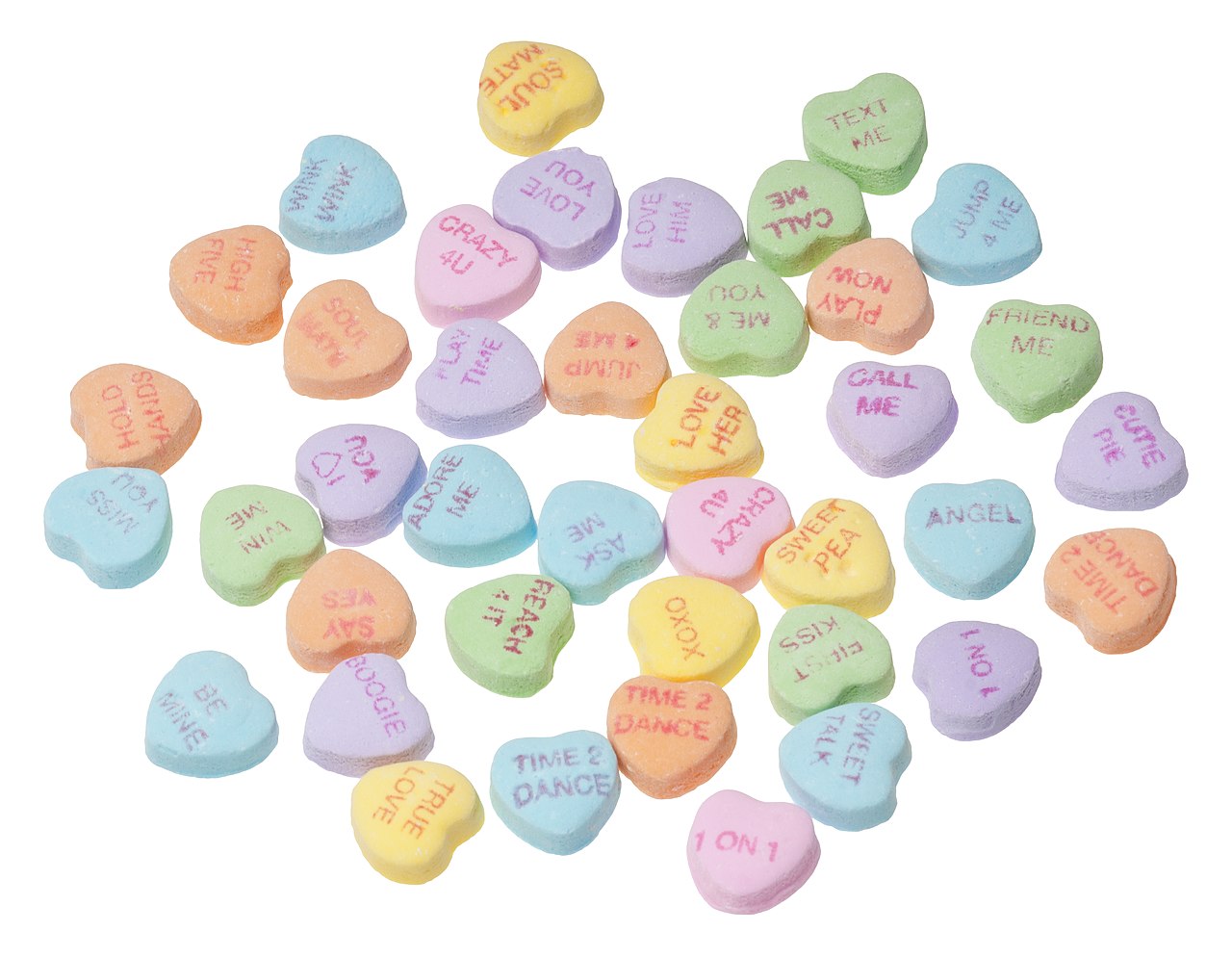
- Q: What are the little pastel candies stamped with short messages called? A: Conversation hearts.
- Q: Which sweet treat is the most given Valentine’s gift after flowers and cards? A: Chocolate.
- Q: True or false: chocolate has long been associated with romance and was once thought to be an aphrodisiac. A: True.
Valentine’s Around the World Trivia
The global customs are where trivia gets genuinely surprising:
- Q: In Japan, who traditionally gives chocolate on February 14? A: Women, both to romantic interests and, as “obligation chocolate,” to friends and colleagues.
- Q: What is the Japanese reciprocal holiday on March 14 called? A: White Day.
- Q: In South Korea, what do single people do on Black Day, April 14? A: Gather to eat black noodles.
- Q: In Wales, lovers exchange intricately carved wooden what? A: Lovespoons, traditionally on Saint Dwynwen’s Day, January 25.
- Q: In Finland and Estonia, February 14 is celebrated as a day of what? A: Friendship.
- Q: On what date does Brazil celebrate its lovers’ day, Dia dos Namorados? A: June 12.
- Q: In the Philippines, February 14 has become a popular day for what large public events? A: Mass weddings.

Pop Culture and Fun Facts Trivia
Round things off with lighter, more modern questions:
- Q: Complete the classic rhyme: “Roses are red, violets are…” A: Blue.
- Q: What infamous 1929 gangland event shares its name with the holiday? A: The Saint Valentine’s Day Massacre, in Chicago.
- Q: Which flower colour traditionally signals passionate love? A: Red.
- Q: What modern celebration of female friendship falls on February 13? A: Galentine’s Day.
- Q: Roughly how many of the world’s people take part in some form of Lunar New Year, for comparison with Valentine’s global reach? A: About a fifth, though Valentine’s Day, too, is now marked on every continent.
Tips for Hosting and Scoring
To keep a trivia game lively, mix easy questions with a few hard ones so everyone gets some right and no one runs away with it. Group the questions by theme, as above, and announce each category so players can brace themselves. Award a point per correct answer, with bonus points for anyone who can add an extra detail, and keep a running tally so the competition builds. A small, silly prize, a box of chocolates, a bottle of fizz, raises the stakes just enough. And do not be afraid to let people argue the answers; the debate is half the fun.
Movies and Music Trivia
Romantic films and love songs are a rich, accessible category that suits a mixed crowd, since almost everyone has a favourite:
- Q: In which decade did the modern romantic comedy boom, giving us a string of beloved classics? A: The 1990s.
- Q: What do we call the dramatic, declaration-of-love climax common to romantic films? A: The grand gesture.
- Q: Which Etta James song is among the most popular first-dance choices at weddings? A: “At Last.”
- Q: Complete the famous line associated with romance: “You had me at…” A: “Hello.”
- Q: Which Shakespeare play is the archetypal tragic love story? A: Romeo and Juliet.
This or That, and Would You Rather
For couples, the most fun “trivia” is often about each other rather than about facts, and a few rounds of light, revealing questions can spark more laughter and conversation than any quiz. Try “this or that” prompts, a cosy night in or a night out, a beach holiday or a city break, an early riser or a night owl, and see how well you each predict the other’s answer. “Would you rather” questions work the same way: would you rather relive your first date or fast-forward to an adventure you have planned? Award a point each time one of you correctly guesses the other’s choice, and the game quietly becomes a celebration of how well you know each other.
Valentine’s Day by the Numbers
The sheer scale of the holiday makes for good trivia. Valentine’s Day is one of the biggest occasions of the year for card-sending, second only to Christmas, and the days around it are among the busiest of all for florists, chocolatiers, and restaurants. Red roses are by far the most requested flower, jewellery and a romantic meal out are perennial top gifts, and an enormous quantity of chocolate changes hands every February. Exact figures shift from year to year and country to country, but the headline is consistent: a single day devoted to love generates a remarkable wave of spending and celebration right across the world.
The Science of Love Trivia
For a brainier round, the biology of romance offers genuinely surprising facts:
- Q: Which hormone, released during hugging and bonding, is nicknamed the “love hormone”? A: Oxytocin.
- Q: The fluttering “butterflies” of new love are caused by a surge of which stress-related chemical? A: Adrenaline.
- Q: True or false: studies suggest looking into a partner’s eyes can strengthen feelings of connection. A: True.
- Q: Which organ, rather than the heart, is actually responsible for the feelings we call love? A: The brain.
A Classroom-Friendly Version
For children, Valentine’s trivia is best kept light, factual, and fun, focusing on symbols, simple history, and around-the-world customs rather than romance. Questions about why we use hearts and roses, who Cupid is, and how the day is celebrated in other countries teach a little culture and geography while feeling like a game. Keep the rounds short, let children call out or raise hands, reward effort as much as accuracy, and offer small treats as prizes. A classroom quiz turns the holiday into a gentle lesson, and it sidesteps the romantic angle that can make February 14 awkward for younger pupils.
Trivia Variations to Keep It Fresh
If you run a Valentine’s quiz every year, a few twists stop it going stale. Make it a “pictionary” round where players draw the answers, a charades round acting out famous couples or romantic films, or a music round playing the opening seconds of love songs to be named. A “guess the year” round dates famous romantic films or songs, and a “finish the lyric or line” round tests how well people know their love songs and films. Mixing formats keeps everyone engaged and lets different strengths shine, so the same crowd can enjoy a fresh game year after year.
Why the History Surprises People
What makes Valentine’s trivia so satisfying is how little most people actually know about a holiday they celebrate every year. Few could name the medieval poet who first tied the day to love, explain the Roman festival it overlaps with, or say why Japanese women are the ones giving chocolate. The gap between how familiar the day feels and how strange its real history is makes for genuine surprise, and a few well-placed questions can leave a whole room of celebrants realising they had no idea why they do what they do every February. That small revelation is part of what makes the game worth playing.
Famous Couples Trivia
Love stories from history, myth, and fiction make for instantly engaging questions:
- Q: Which Shakespearean teenage couple are the most famous tragic lovers in literature? A: Romeo and Juliet.
- Q: In Greek mythology, which musician travelled to the underworld to retrieve his wife, Eurydice? A: Orpheus.
- Q: Which Egyptian queen famously loved both Julius Caesar and Mark Antony? A: Cleopatra.
- Q: In the legend behind many love stories, whose face “launched a thousand ships”? A: Helen of Troy.
- Q: Which mythological figures are the Roman goddess of love and her son, the god of desire? A: Venus and Cupid.
Flowers and Their Meanings Trivia
The Victorian “language of flowers” hides plenty of trivia, since every bloom once carried a coded message:
- Q: What does a red rose traditionally symbolise? A: Deep, passionate love.
- Q: What sentiment does a pink rose convey? A: Admiration and gratitude.
- Q: A single red rose traditionally means what? A: Love at first sight.
- Q: Which colour of rose is associated with friendship? A: Yellow.
- Q: What is the Victorian term for the symbolic “language of flowers”? A: Floriography.
A Few More Facts That Stump People
For a final, harder round, lean on the genuinely obscure corners of the day’s history. The Catholic Church recognises more than one martyr named Valentine, which is part of why his story is so tangled. His relics are scattered across Europe, with a flower-crowned skull venerated in Rome and a casket of remains drawing visitors in Dublin. The Church removed Saint Valentine’s Day from its general calendar of obligatory feasts in 1969, even though he remains an officially recognised saint. And the romantic meaning of the day is younger than people assume, dating not from the saint’s own time but from the medieval poetry of Chaucer’s era. Facts like these reliably surprise even confident players.
Making Trivia a Yearly Tradition
A Valentine’s quiz is the kind of thing that improves with repetition. Couples who make it an annual ritual build up a private store of in-jokes and remembered answers, and a group that gathers each year for a Valentine’s or Galentine’s quiz turns it into something to look forward to. Keep a few questions back each year, add fresh ones drawn from recent films and songs, and let the regulars compete for a slightly ridiculous trophy. Over time the quiz becomes less about the facts and more about the gathering, which is exactly how the best traditions work.
Trivia for a Long-Distance or Virtual Date
Trivia travels surprisingly well down a video call, making it a great option for long-distance couples on Valentine’s night. One partner can host, reading questions and keeping score, or you can both look up a set in advance and quiz each other. Mixing factual questions with “how well do you know me” rounds turns the call into something playful and connected rather than just another chat. For couples separated by distance on February 14, a shared game gives the evening a shape and a sense of doing something together, which is often exactly what is missing when you cannot share a table.
Tailoring the Difficulty
The same set of questions can be pitched up or down depending on the crowd. For a casual gathering, keep things easy and fun, leaning on pop culture and around-the-world customs that most people can have a go at. For trivia enthusiasts, weight the quiz toward history, etymology, and the obscure corners of the holiday. For a family or classroom, stick to symbols and simple facts and reward enthusiasm over precision. Reading the room and adjusting the difficulty is the single best thing a host can do, since a quiz that is too hard frustrates and one that is too easy bores. Aim for the sweet spot where everyone gets some right and a few questions make the whole room think.
Etiquette, Dates, and Symbols Round
A final mixed round catches out even the confident:
- Q: On what date is Valentine’s Day celebrated? A: February 14.
- Q: What shape, loosely based on the seat of emotion, is the universal symbol of the day? A: The heart.
- Q: What colour is most associated with Valentine’s Day passion? A: Red.
- Q: What is the Japanese chocolate given out of obligation to friends and colleagues called? A: Giri-choco.
- Q: True or false: in some places, anonymous insulting cards called “vinegar valentines” were once popular. A: True.
Keeping the Mood Light
However you run your quiz, the point is fun rather than a test, so keep the atmosphere warm and forgiving. Celebrate the wild guesses as much as the right answers, let teams confer and argue, and do not be too strict about the scoring. The best Valentine’s trivia nights are remembered for the laughter and the debates, not for who technically won. Build in a few deliberately silly questions, hand out a daft prize, and let the game be an excuse for people to gather, compete gently, and learn something surprising about a holiday they thought they understood. Played in that spirit, a simple round of questions becomes one of the most enjoyable parts of the whole celebration.
Why Trivia Makes the Day More Fun
A round of trivia does something a candlelit dinner cannot: it gets people talking, laughing, and competing, and it quietly teaches everyone a little about the strange, centuries-old holiday they are celebrating. It works for couples and crowds alike, costs nothing, and turns passive celebration into something active and shared. Whether you weave a few questions into a date night or run a full quiz at a party, the surprising history of February 14 is more than enough to keep everyone entertained. Best of all, a good question lingers: long after the prizes are handed out, people remember the fact that astonished them, and find themselves repeating it to someone else the next day. A little knowledge, shared with a laugh, is the most durable souvenir any celebration can offer. So go and gather up your questions, pour out the drinks, divide yourselves into teams, and let the strange and lovely history of the world’s favourite day of love surprise you all over again. To dig into that history yourself, see our complete guide to Valentine’s Day, and for the lighter side, our collection of funny Valentine’s quotes.
Frequently Asked Questions
How do you play Valentine’s Day trivia?
Ask questions in turns for a couple, or split a group into teams and read questions aloud. Award a point for each correct answer, add bonus points for extra detail, and offer a small prize to keep it competitive.
What is a good Valentine’s Day history fact?
Saint Valentine was a Roman martyr executed around the year 269, and the day was linked to romantic love by the poet Geoffrey Chaucer in a poem of around 1382. The Feast of Saint Valentine was established in 496.
Which countries celebrate Valentine’s Day differently?
In Japan women give chocolate and men reciprocate on White Day; South Korea adds a Black Day for singles; Wales exchanges carved lovespoons; Finland celebrates friendship; and Brazil marks its lovers’ day on June 12.
Who invented the heart-shaped box of chocolates?
Richard Cadbury popularised the decorative heart-shaped chocolate box in the 1860s, deliberately linking confectionery to the romance of Valentine’s Day.