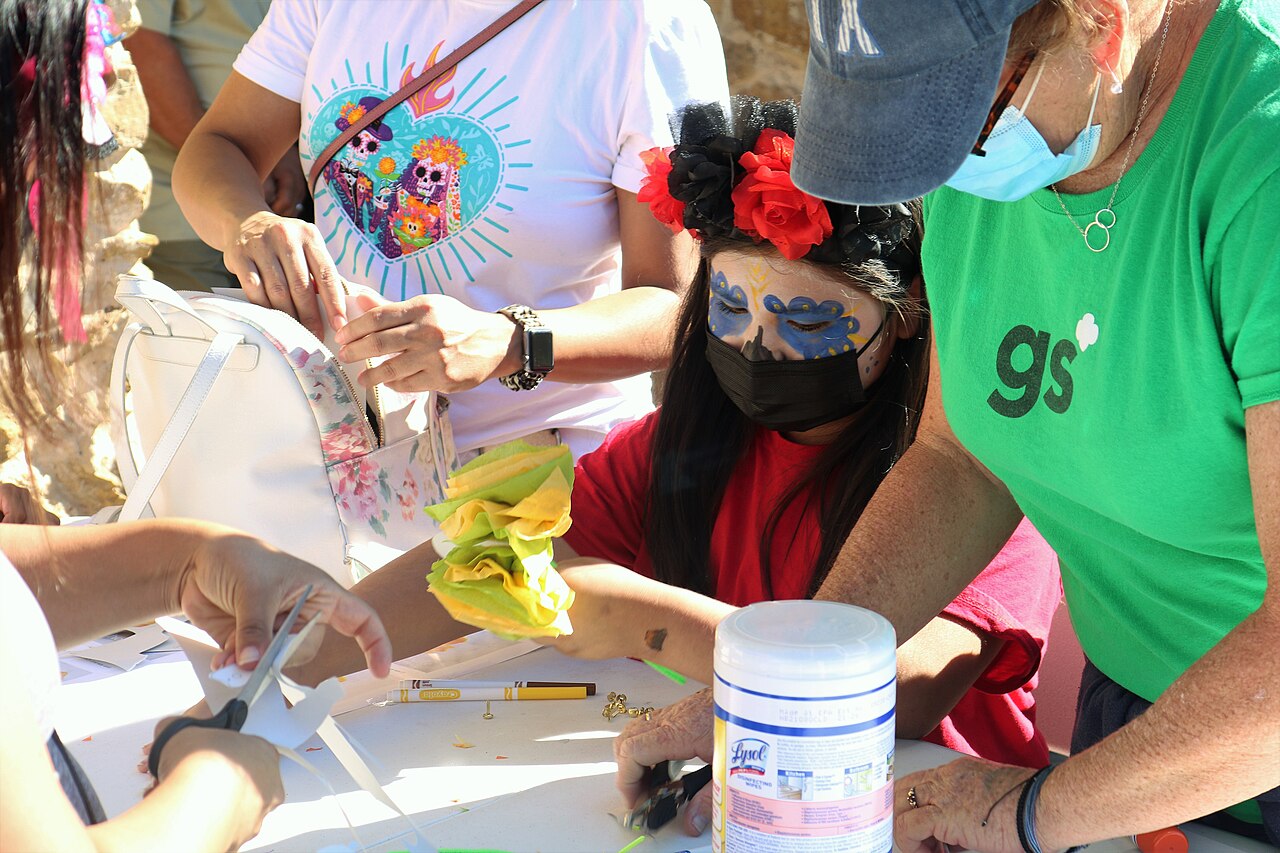
There is something a shop-bought card can never match about a wonky, glittery, handmade valentine pressed into your hands by a proud child. Valentine’s Day is one of the best craft occasions of the year, and making things together, hearts, cards, and keepsakes, is a wonderful way for families to celebrate love and spend unhurried time together. This guide gathers easy DIY Valentine’s crafts for kids and families, organised by age, with the supplies you need and tips for a stress-free crafting session.
Why Handmade Valentines Matter
In an age of instant digital messages, a handmade valentine carries a weight that a bought one cannot. For the child, making it builds fine motor skills, creativity, and the lovely habit of expressing affection through effort rather than money. For the recipient, a grandparent, a parent, a friend, a clumsy, heartfelt creation is treasured precisely because of its imperfections, kept on fridges and mantelpieces long after a printed card would have been recycled. And for the family, the making is the point as much as the result: an afternoon of glue, glitter, and conversation around the kitchen table is a celebration of love in itself.
Basic Craft Supplies
You need very little to get started, and most of it is probably already in the house. A basic Valentine’s craft kit includes red, pink, and white paper or card; child-safe scissors; glue sticks and craft glue; crayons, markers, or paint; and a few decorative extras such as glitter, stickers, sequins, ribbon, doilies, and googly eyes. Recycled materials, cardboard, old buttons, scraps of fabric, paper rolls, are perfect for crafting and free. Lay everything out before you begin, cover the table, and you are ready. The simplest supplies, in a child’s hands, become hearts, cards, and creatures full of love.
Easy Crafts for Toddlers
For the very youngest, crafts should be simple, safe, and forgiving, with the joy in the doing rather than the result. Handprint and footprint hearts, where you paint a little hand and press it into a heart shape, make a keepsake parents cherish forever. Sticker hearts, where a toddler simply fills a paper heart with stickers, build skills without any mess of glue. Torn-paper collages, pressing scraps of red and pink paper onto a sticky heart, are satisfying and fail-proof. For this age, choose crafts with no small parts, expect glorious mess, and remember that a two-year-old’s wobbly heart, made with help, is exactly as it should be.
Crafts for Preschoolers
Preschoolers can manage a little more, and love crafts that produce something to play with or give away. Paper-plate hearts decorated with paint and collage, simple folded cards, heart-shaped suncatchers made from tissue paper and contact film to glow in the window, and pipe-cleaner-and-bead bracelets are all within reach at this age. Stamping with a heart cut from a potato or sponge is endlessly fun and produces lovely wrapping paper or cards. Preschoolers take real pride in making something to give, so crafts that become a present, for a parent, a sibling, or a friend, are especially rewarding.
Crafts for Older Children
School-age children can take on more involved projects and follow multi-step instructions, which opens up a world of possibilities. Pop-up cards, woven paper hearts, friendship bracelets, salt-dough heart ornaments to bake and paint, button-art hearts, and decorated treat boxes for classmates all suit this age. Many enjoy making a full set of cards for a class exchange, personalising each one. Older children can also help younger siblings, which makes the crafting a shared family activity. At this age the craft becomes a genuine creative project, and the results, kept or given, are things to be proud of.
Family Craft Projects to Do Together
Some of the best crafts are ones the whole family makes together. A garland of paper hearts strung across the room, a “things we love about each other” jar filled with handwritten notes, a family handprint canvas, or a batch of decorated heart cookies turn crafting into a shared celebration. Projects like these have a job to do, decorating the home or recording the family’s affection, which gives the activity a satisfying purpose. Gathered around the table, hands busy and chatting as you work, a family craft session captures the warm, unhurried togetherness that is the real heart of Valentine’s Day.
No-Mess Crafts for Busy Parents
Not every craft has to involve glitter on the ceiling. For busy parents, or simply for a calmer afternoon, plenty of lovely valentines need little mess: sticker crafts, crayon or marker drawings, peel-and-stick foam shapes, or simple folded paper creations with no glue or paint at all. Pre-cutting shapes in advance saves time and frustration, and a “craft kit” of pre-prepared pieces lets a child assemble something quickly. Low-mess does not mean low-joy; a child decorating a card with stickers is just as delighted, and the clean-up is a fraction of the effort.
Tips for a Stress-Free Session
A little preparation keeps crafting fun rather than fraught. Cover the table and dress the children in old clothes or aprons before you start. Set out only what you need, and pre-cut tricky shapes for younger ones. Keep the projects age-appropriate so children succeed rather than struggle, and lower your expectations of neatness, since the wonk is the charm. Build in a clear finish, displaying or gifting the results, and accept that mess is part of the deal. Above all, focus on the time together rather than a perfect result; the children will remember the afternoon, not the tidiness of the hearts.
A Few Projects to Try, Step by Step
If you would like some specific projects to start with, a handful of classics never fail. Heart suncatchers are made by sticking torn scraps of red and pink tissue paper between two layers of clear contact film cut into a heart, then hanging them in a window to glow. Salt-dough hearts come from a simple dough of flour, salt, and water, cut into hearts, baked hard, and painted, with a hole for ribbon so they can hang. Handprint cards turn a painted palm pressed onto folded card into a keepsake. And a woven paper heart, made by folding and interlocking two strips of paper, is a satisfying puzzle for older children. Each uses cheap materials and produces something worth keeping or giving.
Crafts for the Classroom
For school Valentine’s exchanges, the challenge is making a whole set of cards or favours without losing a weekend to it. Simple, repeatable designs work best: a stamped heart on a folded card, a sticker-decorated tag, or a small treat attached to a printed note with a pun. Pre-cutting the shapes turns a daunting batch into an assembly line a child can manage, and personalising each one with a classmate’s name adds the warm touch. Non-food favours, a pencil, a sticker sheet, a little craft, are kind to children with allergies. A class set made together at the kitchen table is a lovely pre-Valentine’s evening in itself.
Eco-Friendly Crafting
Valentine’s crafting is a fine opportunity to teach a little sustainability alongside the creativity. Reach for recycled and natural materials: cereal boxes for sturdy card, scraps of fabric and old buttons for decoration, pressed flowers and leaves, and paper you already have rather than new supplies. Avoid single-use plastic glitter in favour of biodegradable alternatives or none at all. Crafts made from what is already in the house cost nothing, reduce waste, and quietly show children that creativity does not require a trip to the shops. A beautiful card made from a cut-up cereal box is no less loved for its humble origins.
Displaying and Keeping the Artwork
Children take real pride in their creations, so giving the results a home matters. String a line of finished hearts across a window or mantelpiece, pin cards to a board, or frame a particular favourite. A dedicated folder or box for keepsake art saves the pieces too precious to throw away, and photographing the rest preserves the memory without the clutter. For grandparents and relatives, posting a child’s handmade card is a small, reliable joy. Displaying the work tells children that their effort and creativity are valued, which encourages them to keep making, and to keep expressing affection through what their own hands can produce.
What Children Learn From Crafting
Beyond the fun, Valentine’s crafting teaches a surprising amount. Cutting, gluing, threading, and folding build fine motor skills and hand strength. Planning and following steps develop patience and sequencing. Choosing colours and designs nurtures creativity and decision-making. And, most importantly for the day, making something to give teaches generosity and the idea that love is shown through effort and thought, not just words or money. A craft session is therefore a small, joyful piece of learning dressed up as play, which is the very best kind. The mess on the table is the visible trace of all that quiet development.
Crafting Together as the Real Gift
For all the lovely things a child can make, the truest gift of a Valentine’s craft session is the time itself. An afternoon spent side by side at the table, hands busy and talk flowing, is exactly the kind of unhurried, undistracted togetherness that modern family life so often lacks, and it is precisely what Valentine’s Day is meant to celebrate. The hearts and cards are wonderful, but they are really mementos of the time that produced them. Years from now, a child is far more likely to remember the warmth of making things with you than the specific craft they made. That, in the end, is the point.
Even More Project Ideas
Once the basics are mastered, the possibilities multiply. Button-art hearts, gluing a collection of buttons inside a drawn heart, make striking, textured pictures. Love bugs, made from painted pebbles or pom-poms with googly eyes, are a hit with little ones. Heart wreaths, cut from a paper plate and decorated, brighten a door. Coffee-filter hearts, coloured with markers and spritzed with water to bleed the colours, produce lovely tie-dye effects. And a “reasons I love you” jar, filled with handwritten notes, makes a deeply personal gift. Mixing easy wins with one slightly more ambitious project keeps a crafting session fresh for children of different ages and abilities.
Crafting With Mixed Ages
When siblings or cousins of different ages craft together, the trick is choosing a project that scales. A single activity, decorating paper hearts, making cards, building a family garland, can be tackled at every level: a toddler sticking on shapes, an older child cutting and writing, an adult helping and joining in. Pairing an older child with a younger one as a helper turns the session into a lesson in patience and care, and takes some pressure off the adults. The shared goal, a wall of hearts, a set of cards, a finished garland, gives everyone a part to play and a result to be proud of together.
The History of the Handmade Valentine
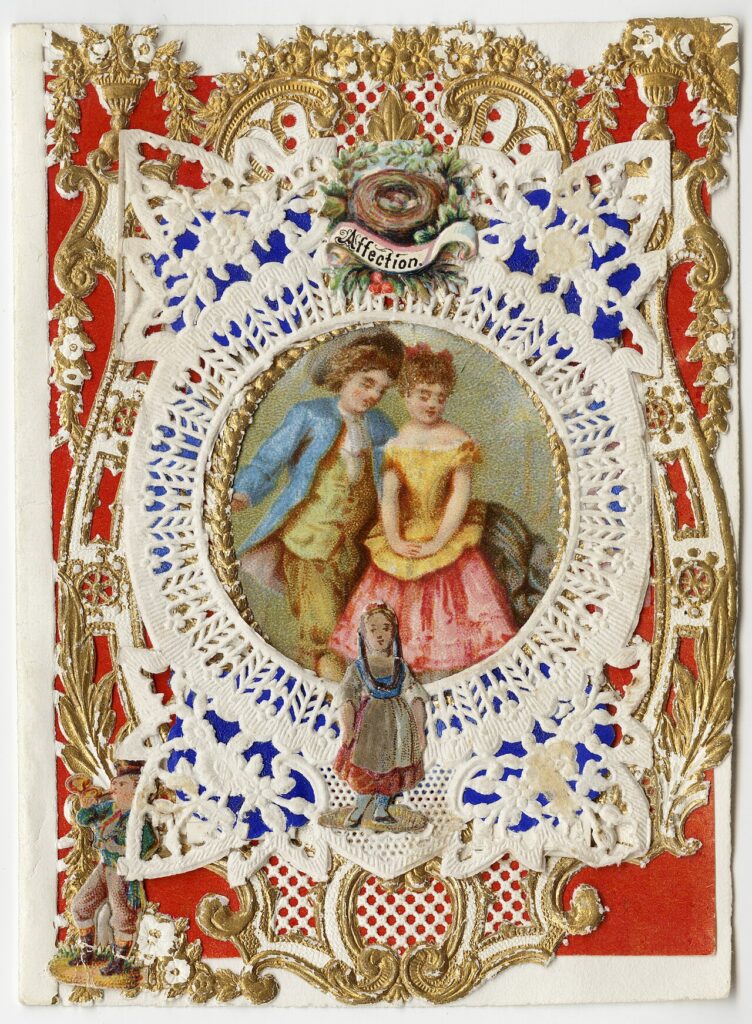
Children making valentines by hand are taking part in a very old tradition. Long before printed cards, lovers and friends exchanged handwritten, hand-decorated notes, and in the nineteenth century the handmade valentine became an elaborate craft of lace paper, ribbon, and cut-outs before mass production took over. Telling children a little of this history, that people have been cutting out paper hearts and writing loving notes for centuries, connects their wonky creations to a long human habit of making love visible by hand. It is a gentle reminder that the impulse behind their glittery card is one of the oldest and most universal there is.
For Parents Who Are Not Crafty
You do not need to be artistic to craft with your children; in fact, your imperfection takes the pressure off theirs. Stick to the simplest projects, sticker cards, handprint art, decorating pre-cut shapes, and let the children lead. There is no standard to meet and no audience to impress, so a parent who cheerfully makes a lopsided heart alongside their child is modelling exactly the right attitude: that making things is about joy and effort, not skill. The children will not notice or care whether you are good at crafts. They will notice that you sat down, got glue on your fingers, and spent the afternoon making things with them.
Beyond Paper: Edible and Three-Dimensional Crafts
Not every craft has to involve scissors and glue. The kitchen offers wonderful Valentine’s “crafting” too: decorating heart-shaped biscuits with icing and sprinkles, building a fruit platter in the shape of a heart, or making simple sweets to give as gifts. Three-dimensional projects, salt-dough ornaments, pipe-cleaner sculptures, decorated treat boxes, add variety for children who tire of flat paper crafts. Edible crafts have the obvious bonus of a delicious reward, and they fold neatly into the day’s other festivities, doubling as the snacks for a movie night or the treats at a family party.
A Tradition Worth Repeating
Like so many of the day’s simple pleasures, a family craft session is the kind of thing that rewards repetition. Make it a yearly fixture, the same afternoon at the kitchen table each February, and it becomes a small tradition the children come to expect and treasure. Their skills grow from year to year, the keepsakes accumulate into a lovely record of childhood, and the ritual itself, the covered table, the familiar supplies, the time together, becomes part of what the family means by Valentine’s Day. Few traditions are cheaper to keep or more warmly remembered.
A Craft for Every Member of the Family
The beauty of a Valentine’s craft afternoon is that there is genuinely something for everyone. The youngest can press painted handprints and stick on shapes; older children can cut, fold, weave, and write; teenagers might take on a more design-led project or help run the table; and adults can join in or simply enable, threading needles, wielding the glue gun, and admiring the results. Even a grandparent can be folded in, sharing the crafts of their own childhood or simply receiving the cards with delight. A craft session is one of the rare activities that spans every age at once, which is exactly why it suits a family celebration of love so well.
The Lasting Value of Making Things by Hand
In a world of screens and instant everything, the simple act of making something by hand has quietly become precious. A child who learns that affection can be expressed through effort, through the careful cutting of a heart or the writing of a wobbly note, carries a valuable habit into adulthood. The crafts themselves may be humble and fleeting, destined for the recycling or the keepsake box, but the lesson endures: that love is a thing you do, not just a thing you feel, and that the time and care poured into a homemade gift are precisely what give it worth. That, more than any finished heart, is what a Valentine’s craft session leaves behind. So clear the table, lay out the paper and the glue, and let the children make their wonderful, wonky, glitter-strewn declarations of love. The hearts will be lopsided and the glue will go everywhere, and none of it will matter in the slightest, because what you are really making together is not a craft at all, but a memory that will last. And in a few years, when the cards have curled and the salt-dough hearts have chipped, it is that memory, of the afternoon, the mess, the laughter, and the time spent shoulder to shoulder, that both you and your children will treasure most of all. The crafts are lovely, but the togetherness is the real gift, and it is one you can happily give again every single February for years to come. For more of the day’s family fun, see our Valentine’s movies for kids and our complete guide to Valentine’s Day.
Crafts That Double as Gifts
Many of the best children’s crafts are also lovely gifts, especially for grandparents and relatives who treasure anything handmade by a child. A handprint card, a decorated photo frame, a painted pot with a plant, a beaded bracelet, or a jar of “reasons I love you” notes all make heartfelt presents that cost almost nothing. Posting a child’s handmade valentine to a distant grandparent is a small act of love that brightens their whole week. The knowledge that the craft will make someone happy adds purpose and pride to the making, which is the loveliest lesson of all. For more on the day these crafts celebrate, see our complete guide to Valentine’s Day, and to pair the crafting with a film, our guide to Valentine’s movies for kids.
Frequently Asked Questions
What are easy Valentine’s crafts for kids?
Simple, popular projects include handprint hearts, sticker and torn-paper collages, paper-plate hearts, tissue-paper suncatchers, pipe-cleaner-and-bead bracelets, and handmade cards, chosen to suit the child’s age.
What craft supplies do you need?
A basic kit is red, pink, and white paper or card, child-safe scissors, glue, and crayons or paint, plus decorative extras like glitter, stickers, doilies, and ribbon. Recycled materials such as cardboard and buttons work perfectly too.
What Valentine’s crafts can toddlers make?
For toddlers, keep it simple, safe, and mess-friendly: handprint or footprint hearts, sticker hearts, and torn-paper collages let them join in without small parts or fiddly steps.
How do you keep Valentine’s crafting stress-free?
Cover the table and dress children in old clothes, set out only what you need, pre-cut tricky shapes for younger ones, keep projects age-appropriate, and focus on the time together rather than a perfect, neat result.