

Valentine’s Day is not only for couples at candlelit tables. A Valentine’s party, whether a romantic dinner for two, a Galentine’s gathering, a family afternoon, or a big group celebration, is a wonderful way to share the day with the people you love. This guide covers everything you need to throw one, from themes and decorations to food, drinks, and games, with ideas for every kind of group and budget.
Planning Your Party on a Budget
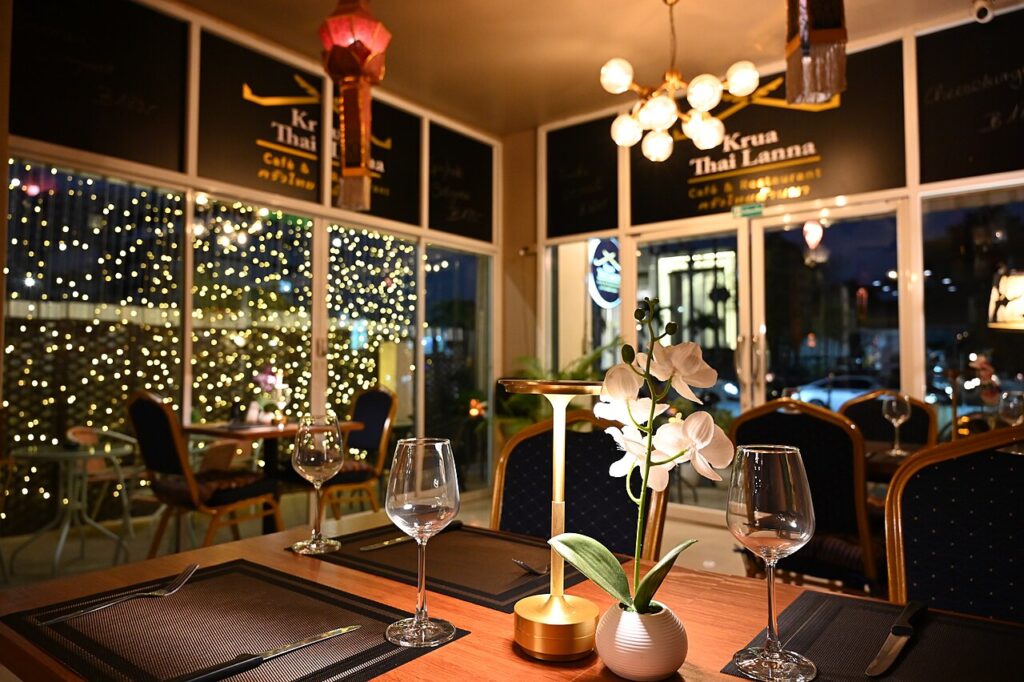
A great Valentine’s party need not be expensive. Start by deciding the basics: the type of gathering, the guest list, and whether it is a sit-down affair or a relaxed drop-in. Make it a potluck or ask guests to bring drinks to share the cost, lean on homemade decorations, and focus your spending on a few high-impact touches rather than spreading it thin. The warmth of a party comes from the people and the atmosphere, not the budget, and some of the most memorable celebrations are the cheapest. Set a realistic plan early, and the day itself will feel effortless.
Choosing a Theme
A theme gives a party focus and makes every other decision easier. Popular Valentine’s themes include a classic pink-and-red palette, an elegant cocktails-and-dressing-up evening, a cosy pyjamas-and-movies night, a galentine’s brunch, a romantic dinner party for couples, or a playful anti-Valentine’s bash for the cheerfully single. You might also theme around a decade, a film, or a cuisine. The theme shapes the invitations, decorations, food, and dress code, so choose one that suits your group and run with it; half the fun is in the commitment.
Decoration Ideas
Decorations set the mood, and a Valentine’s party is an easy one to dress. Work in pink, red, white, and gold with balloons, paper hearts, streamers, fairy lights, and fresh flowers. A balloon arch or a heart garland makes a striking, photogenic backdrop, candles add warmth, and a well-set table with a pretty centrepiece pulls the whole room together. Much of it can be handmade and inexpensive, and a small photo corner with props gives guests fun pictures to keep. Aim for festive and warm rather than slick, and let the decorations signal from the moment guests arrive that this is a celebration.

Party Food Everyone Will Love
Food is at the heart of any gathering, and a Valentine’s spread should be generous and easy to share. A grazing board of cheese, charcuterie, fruit, and dips is always a hit and needs no cooking; finger foods, sliders, and skewers suit a standing party; and heart-shaped treats, cookies, sandwiches cut into hearts, decorated cupcakes, add a festive touch. For a sit-down affair, a simple shared main lets you spend time with guests rather than in the kitchen. Make it potluck to share the load, cater to any dietary needs, and never forget something sweet to mark the occasion.
Drinks and a Signature Cocktail
A signature drink makes a party feel special. Pink and red cocktails suit the theme, a sparkling rosé, a fruity punch, a pink gin fizz, or a classic cosmopolitan, with a pretty mocktail so non-drinkers are equally well looked after. A self-serve drinks station or a build-your-own bar keeps you out of the kitchen and lets guests mix their own. Garnish with berries, edible flowers, or a sugared rim, and offer a warm option on a cold night. A welcome drink pressed into each guest’s hand as they arrive sets a generous tone for the whole evening.
Games and Activities
Games break the ice and give a party its energy. For adults, try a Valentine’s trivia round, “how well do you know your partner” quizzes, a newlywed-style game for couples, or charades of famous romances. For a mixed group, a photo scavenger hunt, a compliments circle, or a craft station keep everyone involved. For couples, question cards designed to spark deeper conversation add intimacy. Our collections of Valentine’s trivia give you a ready-made game to drop straight in. Match the activities to the group, from rowdy party games to a gentle round of conversation.
Parties for Every Group
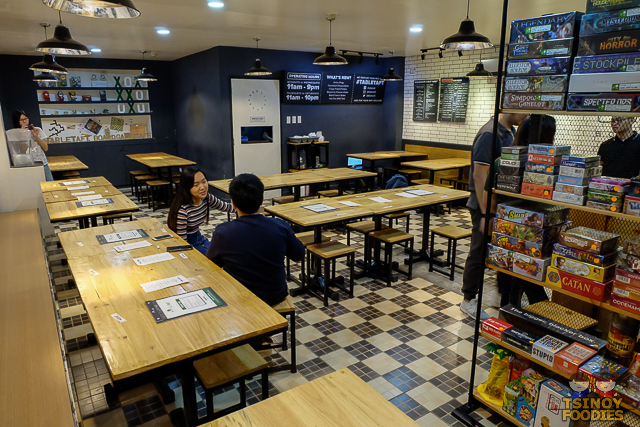
The right party depends on who is celebrating. Couples might host an intimate dinner party with a few other pairs, or keep it to a romantic dinner for two. Friends, especially for a Galentine’s gathering, suit a relaxed brunch or a lively night in, as our Galentine’s Day guide explores. Families with children do well with an afternoon of crafts, themed snacks, and simple games, keeping it wholesome and fun for all ages. And the cheerfully single can throw an anti-Valentine’s party that celebrates freedom and friendship. Whatever the group, shape the party around the people in it.
A Romantic Dinner Party for Couples
For a more grown-up gathering, a dinner party with a few couples is a lovely way to spend the evening. Set a beautiful table with candles and flowers, plan a shareable menu you can mostly prepare ahead, and keep the group small enough for real conversation. A theme, a particular cuisine, a decade, a dress code, adds a sense of occasion, and a welcome cocktail and a shared dessert bookend the night nicely. The aim is an evening of good food and better company, relaxed enough that you, as host, get to enjoy it too. For a couples-only version, our guide to a romantic Valentine’s at home has more.
Last-Minute and Stress-Free Hosting
If the party has crept up on you, do not panic. A relaxed gathering can be pulled together quickly with a grazing board, a signature drink, a simple playlist, and a few balloons and candles. The secret to stress-free hosting is to keep the menu simple, prepare whatever you can in advance, accept help and potluck contributions, and remember that guests come for the company, not perfection. A calm, present host does more for a party’s atmosphere than any elaborate spread. Plan a little, delegate where you can, and then relax and enjoy your own party.
A Party Planning Timeline
A little forethought is the difference between a relaxed host and a frazzled one. About two weeks ahead, decide the format, theme, and guest list, and send invitations. One week before, plan the menu and drinks, buy non-perishables and decorations, and confirm who is bringing what. A day or two before, shop for fresh ingredients, prepare anything that keeps, and tidy and decorate the space. On the day, set the table, chill the drinks, lay out the food, cue the playlist, and give yourself time to get ready before guests arrive. Spreading the work out means you greet your friends calm and ready, which does more for the atmosphere than any single decoration.
An Anti-Valentine’s Party
For friends who would rather toast their freedom than their relationships, an anti-Valentine’s party is a brilliant alternative. Swap pink and red for black, lean into tongue-in-cheek decor, and serve “single and ready to mingle” cocktails alongside comfort food. The mood is celebratory rather than bitter, a gathering of friends enjoying their independence with humour and good company. Heartbreak-anthem playlists, a “burn the ex’s letters” moment played for laughs, and prizes for the most gloriously single guest all add to the fun. It is, in the end, just a friendship party with a cheeky theme, and it can be the most relaxed celebration of the whole season.
A Family Valentine’s Party
Valentine’s parties are not only for adults; a family celebration is a joyful way to include children in the day. Plan an afternoon of heart-shaped snacks, simple craft stations, and age-appropriate games, with plenty of pink and red decoration to set the scene. Keep activities short and varied to match small attention spans, and let the children help with the preparations, decorating cookies, making place cards, so they feel part of it. A family party teaches children that Valentine’s Day is about love of every kind, not just romance, and it creates exactly the warm, silly, memory-making afternoon that childhoods are built from.
Setting the Soundtrack
Music shapes the energy of a party more than almost anything else. For a lively gathering, build a playlist of upbeat, feel-good, sing-along tracks; for a romantic dinner party, lean on warmer, gentler music that sits under conversation. Aim for a few hours so the music runs itself, and adjust the volume to the moment, low while people are talking and eating, louder once the dancing starts. A well-chosen soundtrack means the room never falls flat, and it saves the host from scrambling to fill an awkward silence. Prepare it in advance and let it do its quiet work all night.
A Photo Corner and Party Favours
Two small touches lift a party from good to memorable. A simple photo corner, a pretty backdrop, a few props, and good light, gives guests fun pictures to keep and share, and costs almost nothing to set up. And a small favour for each guest to take home, a candle, a sweet treat, a single rose, a handwritten note, sends everyone off feeling appreciated. Neither is essential, but both signal that you thought about your guests’ experience from arrival to departure, which is exactly the kind of warmth that makes people remember a gathering fondly and look forward to the next one.
Unique Activities Guests Remember
If you want your party to stand out, build it around a memorable shared activity. A cocktail-making class, a paint-and-sip session, a group cooking or pizza-making challenge, a themed quiz, or a craft project all give the gathering a focus and a story. Activities like these break the ice, mix the group, and give people something to do beyond standing and chatting, which is especially welcome if not everyone knows each other. The best activities suit your particular guests, so choose one that fits the group’s energy, and it will become the part of the night everyone talks about afterwards.
Why Valentine’s Parties Are So Popular
The Valentine’s party has grown well beyond its couples-only roots, and it is easy to see why. By gathering friends, families, or mixed groups, it widens the day from a celebration of romantic pairs into a celebration of love and connection of every kind, which is far more inclusive and, for many, far more fun. A party takes the pressure off those without a partner, turns a potentially lonely evening into a warm one, and gives everyone a reason to dress up, gather, and enjoy themselves in the depths of winter. That broad, generous spirit is exactly why the Valentine’s party keeps growing in popularity, and why it is so well worth throwing.
Decorations, in More Detail
A little planning makes decorating both cheaper and more effective. Choose two or three focal points rather than scattering decorations thinly: a striking entrance, a dressed table, and a photo backdrop will do more than odds and ends spread across every surface. Balloons in clusters or an arch make a big impact for little money, fresh flowers or even a few supermarket bunches lift any room, and candles add warmth as the evening draws in. Stick to your palette so the effect feels deliberate, and remember that lighting matters as much as decoration; dimmed lamps and candlelight flatter a room and a gathering far more than harsh overhead bulbs.
Building the Food Spread
The easiest crowd-pleasing food for a party is a generous grazing table, cheeses, cured meats, crackers, fruit, nuts, dips, and bread, which needs no cooking and lets guests help themselves throughout the evening. Add a few hot bites if you like, finger foods or sliders, and a couple of heart-shaped treats for the theme. For a sit-down dinner party, choose a shareable main you can mostly prepare in advance so you are not stuck in the kitchen. Whatever the format, cater for vegetarians and any allergies, lay the food out attractively, and always include something sweet to round off the night.
Hosting Large Groups and Quiet Ones
The size and temperament of the group shape the party. For a large gathering, favour a standing, mingling format with finger food and a self-serve bar, and build in an icebreaker activity so guests who do not know each other can connect. For a smaller or quieter group, a sit-down dinner or a cosy night in suits better, with conversation and a shared activity at the centre rather than a crowd. Reading the group and matching the format to it is the host’s most important judgement, since the same party that delights an outgoing crowd can overwhelm a gentle one, and vice versa.
Throwing a Virtual Party
Friends spread across distances can still celebrate together over video. Set a time that works across the time zones, send everyone a simple plan, and treat it as a real event: a dress code, a shared drink or recipe, and a planned activity such as an online game, a virtual quiz, or a watch-party film. Posting a small package to each guest ahead of time, a treat to open together on the call, adds a touch of physical connection across the screens. A virtual party takes a little more structure than an in-person one to avoid awkward silences, but for far-flung friends it can be the warmest gathering of the year.
Themes Worth Committing To
The parties people remember are usually the ones that commit fully to a theme. A decades party brings the music, fashion, and food of a favourite era; a masquerade adds glamour and mystery; a around-the-world dinner assigns each guest a country; a movie-night theme pairs a film with its snacks and dress-up. The theme guides every decision, from invitations to playlist, which makes planning easier rather than harder, and it gives guests a shared bit of fun to lean into. Pick a theme that suits your group’s sense of humour and commit to it wholeheartedly; half-hearted themes fizzle, but a fully embraced one makes the night.
The Host’s Real Job
For all the planning, the host’s most important task on the night is simply to be present and at ease. Guests take their cue from the host, so a relaxed, welcoming host creates a relaxed, welcoming party, while a frazzled one casts a faint anxiety over the room. That is why preparing ahead matters so much: it frees you to greet people warmly, make introductions, top up drinks, and actually enjoy the gathering you have made. A party is not a performance to be executed flawlessly but an act of hospitality, and the warmth you bring to it matters far more than whether every detail is perfect.
Making Every Guest Feel Welcome
A truly good party is an inclusive one, where every guest feels they belong. Think about the mix as you plan: introduce people who do not know each other, seat or group guests so no one is stranded, and offer activities that draw quieter people in gently rather than putting them on the spot. Cater thoughtfully for different diets and for those who do not drink, so no one feels like an afterthought. A warm welcome at the door, a drink pressed into each hand, and a host who checks in on the guests at the edges of the room do more for a party’s atmosphere than any decoration. People remember how a gathering made them feel, and feeling included is the warmest feeling of all.
The Party You Will Remember
Strip away the themes, the games, and the grazing boards, and a Valentine’s party comes down to something simple: gathering the people you care about and giving them a warm, happy evening together. Whether you throw a glamorous soirée or a cosy night in for a handful of friends, the measure of success is the same, whether everyone leaves feeling celebrated, connected, and glad they came. Plan enough to feel ready, pour your warmth into welcoming your guests, and then relax and enjoy the gathering you have created. The best Valentine’s party, in the end, is simply one full of people you love, however you choose to bring them together. For the wider celebration, see our complete guide to Valentine’s Day.
The Best Party Is Full of People You Love
For all the themes, decorations, and games, the truth of a Valentine’s party is simple: the best one is the one filled with people you love, however you gather them. A grand soirée and a cosy night in succeed by exactly the same measure, whether everyone leaves feeling celebrated and connected. Plan enough to feel ready, then let the evening unfold and trust the warmth of good company to carry it. For the wider day your party celebrates, see our complete guide to Valentine’s Day.
Frequently Asked Questions
How do you throw a Valentine’s party on a budget?
Make it a potluck or ask guests to bring drinks, lean on homemade decorations, and focus your spending on a few high-impact touches. The warmth of a party comes from the people and the atmosphere, not the budget.
What are good Valentine’s party themes?
Popular themes include a classic pink-and-red palette, a cocktails-and-dressing-up evening, a pyjamas-and-movies night, a Galentine’s brunch, a romantic dinner party for couples, or a playful anti-Valentine’s bash.
What food should you serve at a Valentine’s party?
A grazing board of cheese, charcuterie, and dips is a reliable hit, alongside finger foods and heart-shaped treats. Make it potluck to share the load, cater to dietary needs, and include something sweet.
What are good Valentine’s party games?
Try a Valentine’s trivia round, a “how well do you know your partner” quiz, charades of famous romances, a compliments circle, or a photo scavenger hunt, matched to the group’s energy.