Chinese New Year is celebrated by a fifth of humanity, and the way it looks changes dramatically from city to city. In one place it is a solemn family affair behind closed doors; in another, a roaring street festival of lions, lanterns, and fireworks. For travellers willing to brave the crowds, experiencing the Spring Festival in the right destination can be unforgettable. This guide rounds up the best places to celebrate Chinese New Year, across Greater China, Southeast Asia, and the wider world, along with the travel tips you will need to do it well. In 2026, the festival falls on February 17, opening the Year of the Horse.
Greater China: The Heart of the Festival
Nowhere is the New Year felt more completely than in Greater China, where it shapes everything for a week or more.
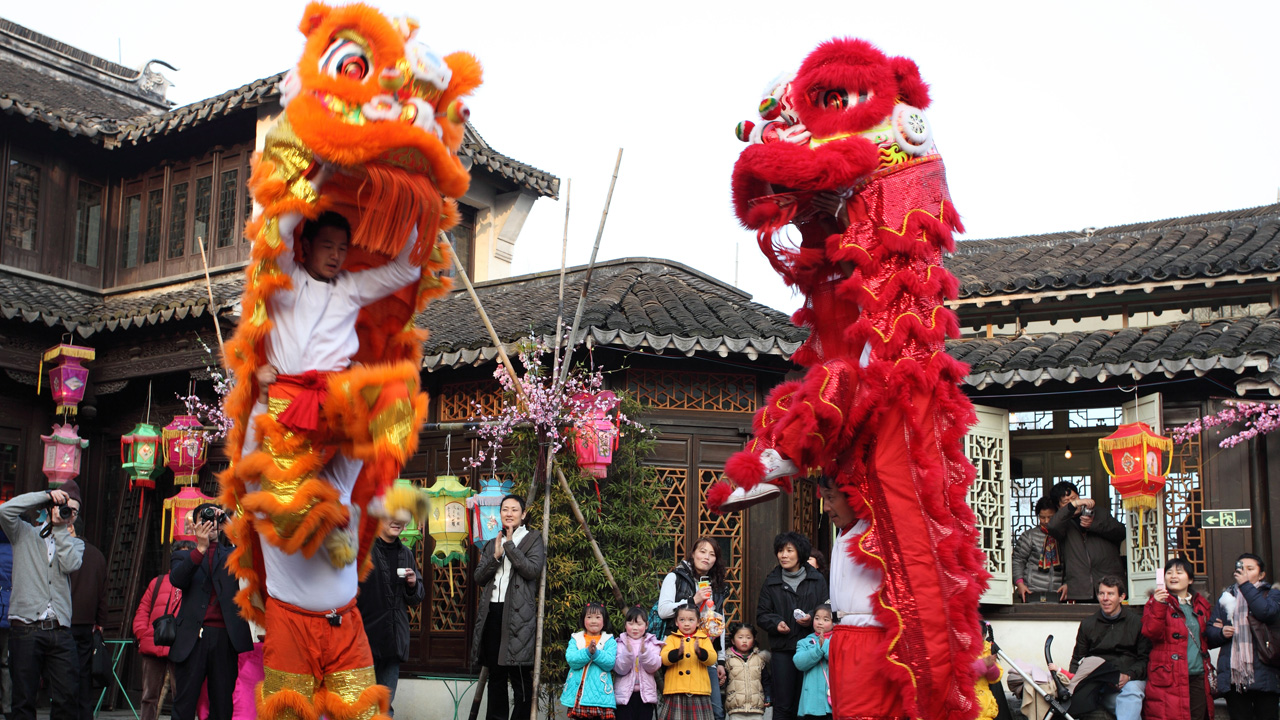
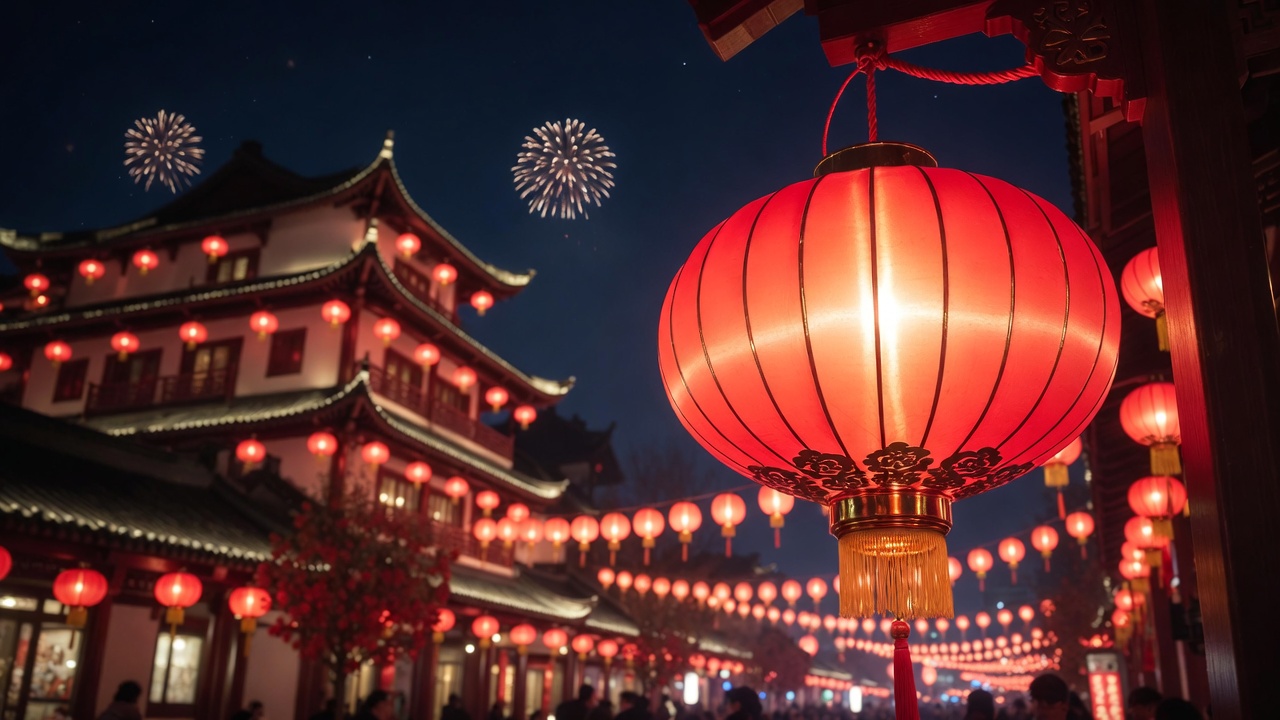
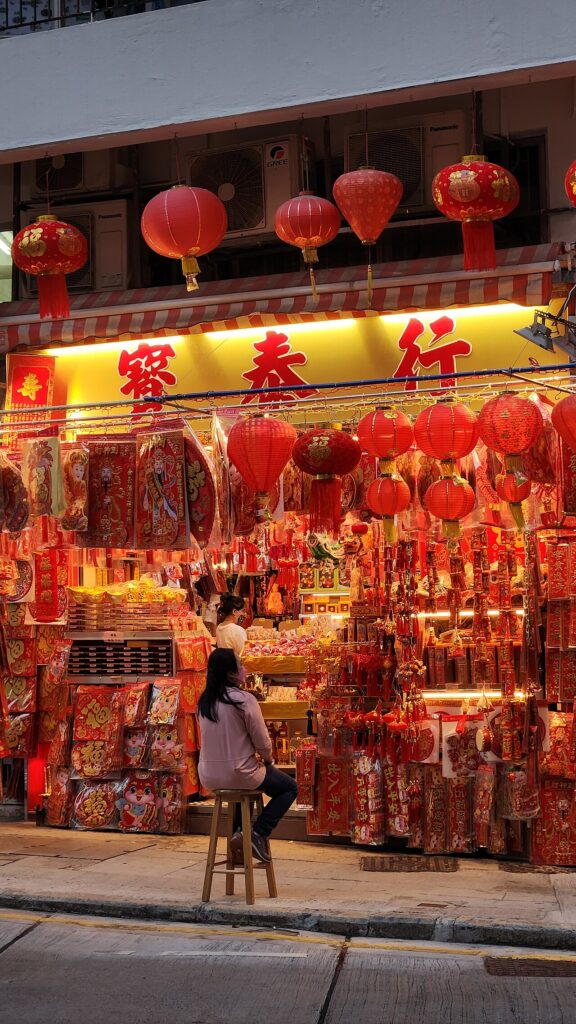
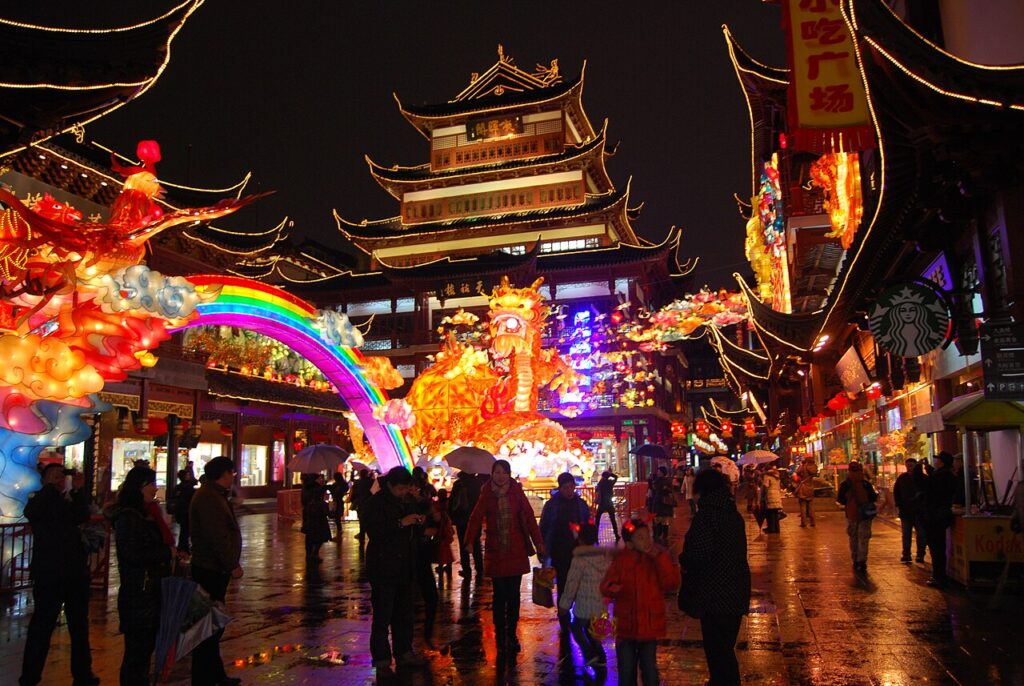
Beijing is the place for tradition, with its famous temple fairs (miaohui) filling parks like Ditan and Longtan with food stalls, folk performers, craftspeople, and lion dances against a backdrop of red lanterns. Hong Kong offers the most spectacular public celebration: a huge night-time parade, a dazzling fireworks display over Victoria Harbour, flower markets buzzing into the small hours, and the Lam Tsuen wishing trees where visitors toss wishes into the branches. Shanghai dresses its classical Yu Garden in thousands of lanterns for a display that draws enormous crowds, especially as the Lantern Festival approaches.
For something older and quieter, the ancient walled cities of Xi’an and Pingyao glow with lanterns strung along their historic ramparts, and Macau blends Chinese traditions with its Portuguese heritage in a uniquely hybrid celebration. A word of warning for travellers: this is also the season of chunyun, the great migration, when hundreds of millions of people are on the move, so mainland travel requires careful planning.
Taiwan
Taiwan combines deep tradition with a lively modern celebration. In Taipei, the historic Dihua Street transforms into a heaving New Year market in the run-up to the festival, packed with stalls selling dried goods, sweets, and decorations, while temples such as Longshan fill with worshippers praying for a fortunate year. The island’s celebrations are warm, family-centred, and rich in temple culture, and the Pingxi Sky Lantern Festival, held around the Lantern Festival that closes the season, sends thousands of glowing lanterns into the night sky in one of the region’s most beautiful sights.
Southeast Asia: The Diaspora in Full Colour
Southeast Asia, home to large and long-established Chinese communities, hosts some of the most vibrant celebrations anywhere.
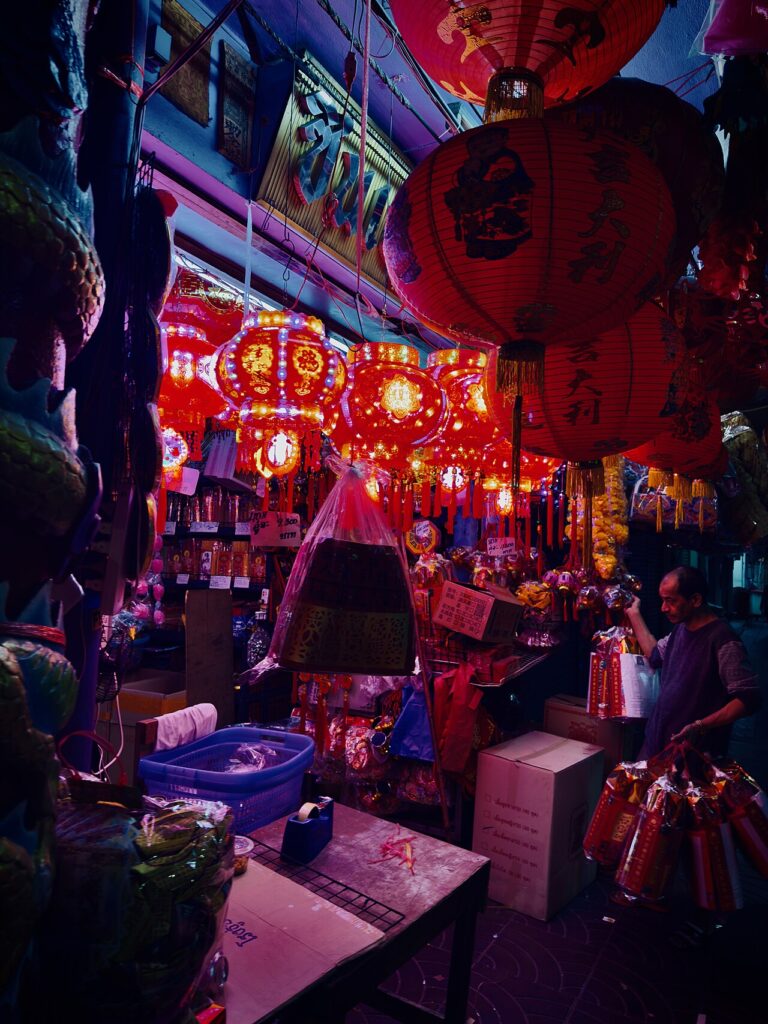
Singapore goes all out, with Chinatown ablaze in decorations, the River Hongbao festival on the waterfront, and the spectacular multicultural Chingay street parade. Malaysia celebrates exuberantly in Penang and Kuala Lumpur, where the Thean Hou Temple is draped in thousands of red lanterns and open houses welcome visitors of every background. Bangkok throws one of the liveliest street parties in its Chinatown along Yaowarat Road, a dense, joyful crush of food, lion dances, and red lanterns, sometimes graced by a visiting member of the Thai royal family. Celebrations in Indonesia, the Philippines, and Vietnam, where the related Tet is celebrated, add further variety across the region.
Beyond Asia: Chinatowns Around the World
The festival has long since gone global, and the Chinatowns of the Western world stage celebrations that draw enormous crowds.
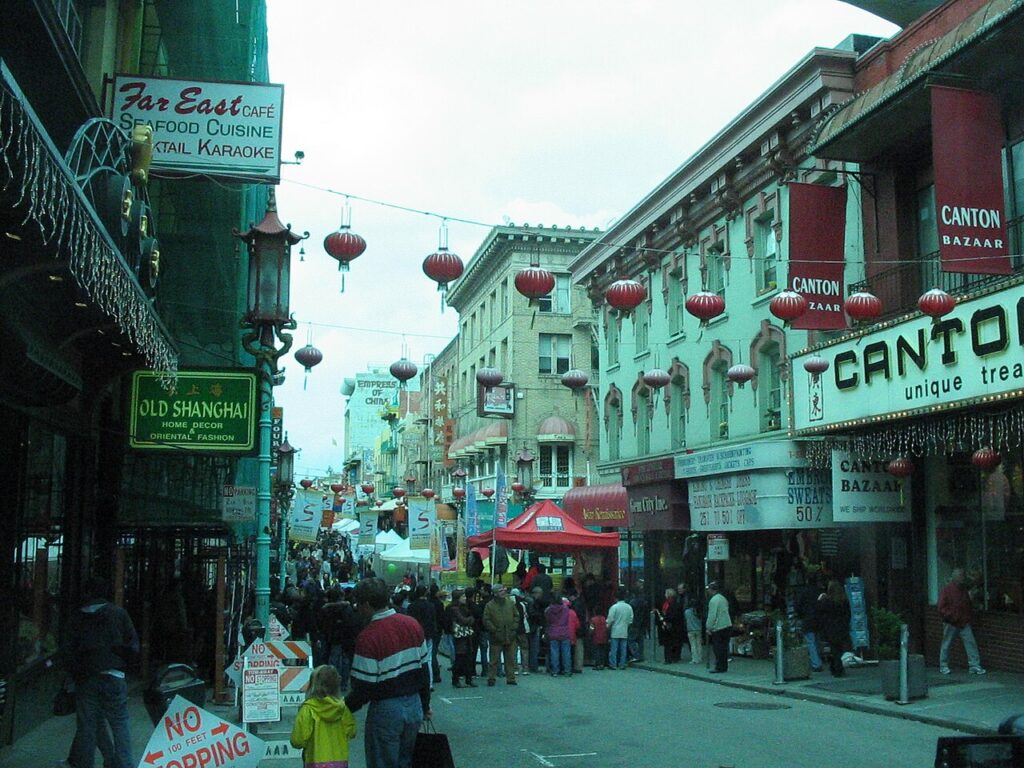
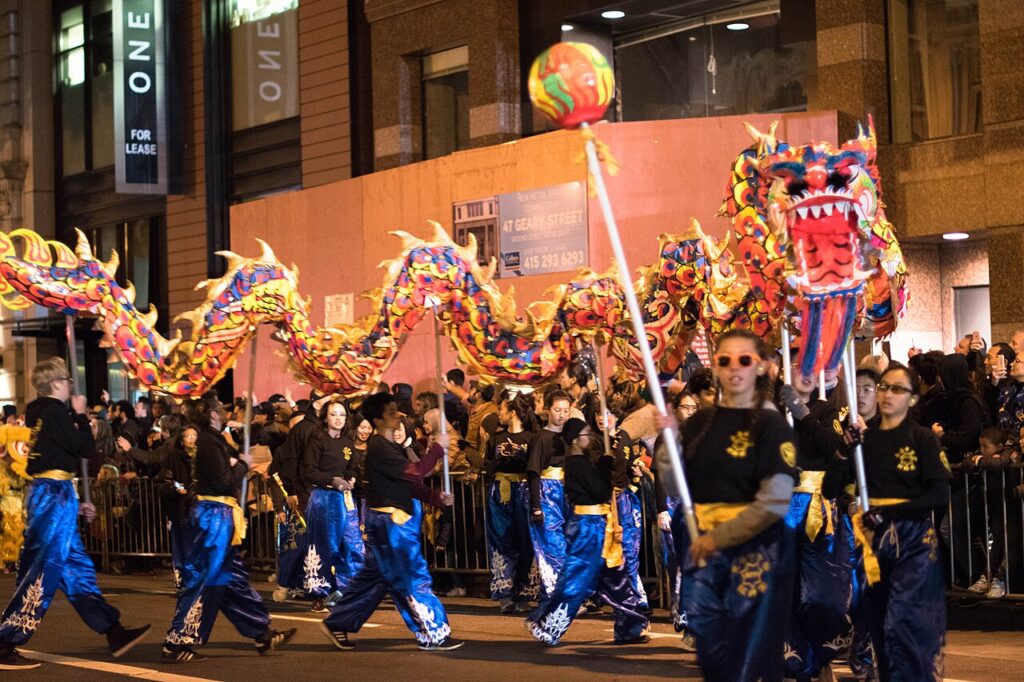
San Francisco hosts one of the oldest and largest Chinese New Year parades outside Asia, a night-time spectacle of floats, lion dances, and a giant golden dragon that has run since the nineteenth century. London claims the biggest celebration outside Asia, centred on Chinatown and Trafalgar Square with stage performances, food stalls, and a colourful parade. Sydney mounts one of the largest festivals in the Southern Hemisphere, and Vancouver, New York, and many other cities with significant Chinese communities hold parades, lion dances, and firework displays that have become fixtures of the local calendar.
How to Choose Your Destination
The right choice depends on what you want. For deep tradition and temple fairs, head to Beijing or Taipei. For the grandest public spectacle, Hong Kong and Singapore are hard to beat. For a warm, exuberant street party, Bangkok’s Chinatown delivers. For lanterns and beauty, Shanghai’s Yu Garden or the ancient walls of Xi’an. And if you cannot travel to Asia, a major Western Chinatown such as San Francisco or London offers a genuine taste of the festival closer to home. Consider, too, the trade-off between atmosphere and crowds: the biggest celebrations are also the most packed.
Essential Travel Tips
Celebrating the New Year on the road takes planning. Book early. This is peak travel season across Asia, and flights, trains, and hotels sell out weeks in advance, especially on the mainland during chunyun. Expect closures. In mainland China and Taiwan, many shops, restaurants, and small businesses close for the first days of the holiday as staff return home, so research what will be open. Go where the public celebration is. Because the festival is so family-centred, the liveliest public events are often in the diaspora hubs and major cities rather than smaller towns, where streets can fall quiet. Mind the etiquette. A few words of greeting, such as gongxi facai, go a long way, and small red envelopes are appreciated by service staff. Plan around the fifteen-day arc, since the opening days and the closing Lantern Festival are the most visually spectacular.
More of Greater China
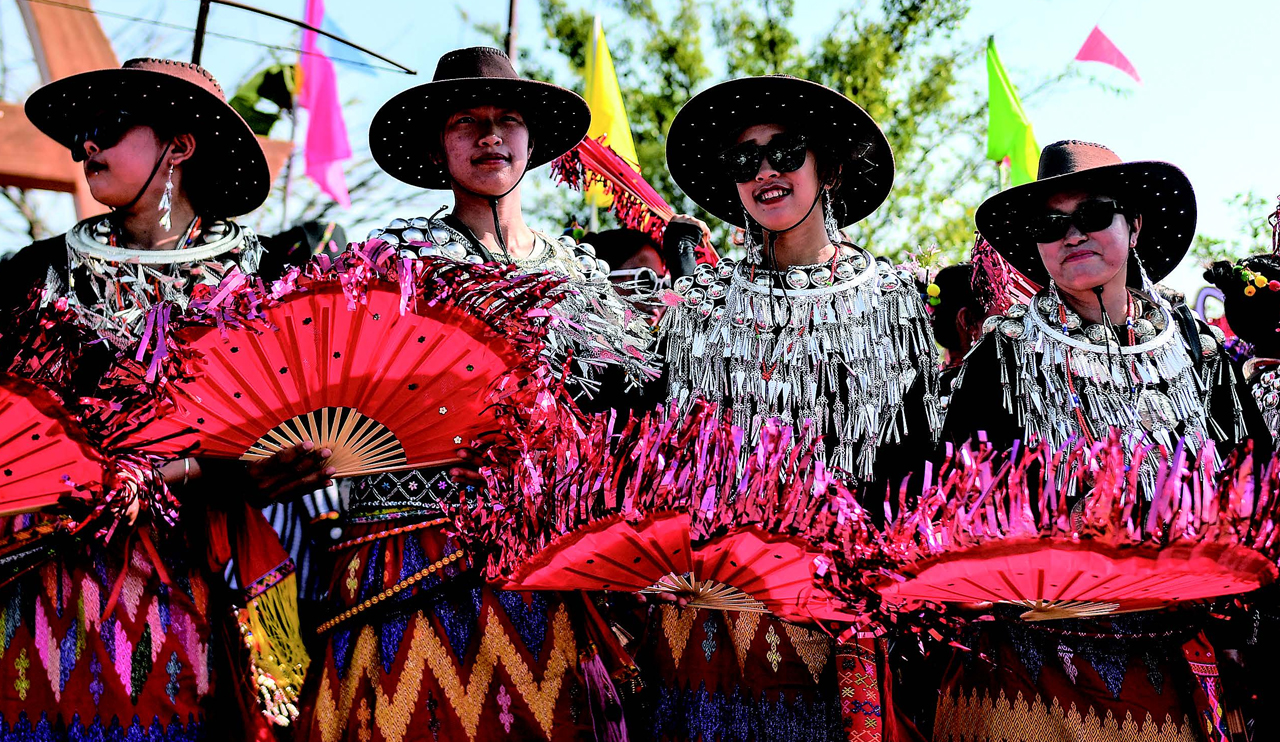
Beyond the headline cities, mainland China offers a wealth of New Year experiences. Guangzhou and the wider Pearl River Delta are famous for their enormous flower markets, where families crowd in to buy peach blossom and kumquat trees in the nights before the festival. Chengdu celebrates with temple fairs and the food for which Sichuan is renowned, while Yunnan and cities like Lijiang add the colour of ethnic minority traditions to the season. Those who do not mind the cold can pair a northern New Year with a visit to the Harbin Ice and Snow Festival, whose vast illuminated ice sculptures run through the same winter weeks. Each corner of the country keeps the festival in its own way, so the experience shifts dramatically with the region.
Hong Kong in Depth
Hong Kong deserves a closer look, because it packs more public spectacle into a few days than almost anywhere. The festivities typically include a grand night parade through Tsim Sha Tsui on the first day, a celebrated fireworks display over Victoria Harbour on the second night, and the Chinese New Year race day at Sha Tin. Worshippers crowd the Che Kung Temple and Wong Tai Sin Temple to pray for fortune and spin the windmills of changing luck, and at Lam Tsuen visitors write wishes on coloured paper and throw them into the wishing trees. The flower markets, open late into the night, are an experience in themselves. For a visitor, Hong Kong offers the rare combination of deep tradition and big, accessible public events.
Southeast Asia, City by City
The region’s celebrations reward a closer tour. In Penang, Malaysia, the heritage streets of George Town fill with open houses, temple festivities, and cultural performances, while Kuala Lumpur‘s Thean Hou Temple, draped in thousands of lanterns, is one of the most photographed sights of the season. Singapore pairs its glowing Chinatown with the River Hongbao carnival and the dazzling, multicultural Chingay parade. In Indonesia, the Glodok district of Jakarta comes alive, and in the Philippines, Manila’s Binondo, often called the world’s oldest Chinatown, bursts into celebration. Across the region, the festival blends seamlessly with local culture, producing celebrations that feel both distinctly Chinese and distinctly local.
More Celebrations Beyond Asia
The Western celebrations extend well beyond the largest cities. In Britain, Manchester and Liverpool, home to historic Chinatowns, mount lively parades and fireworks. Paris holds colourful processions in its Asian neighbourhoods, and Toronto, Boston, Los Angeles, and Melbourne all stage major events. Vancouver, with one of the largest Chinatowns in North America, holds a much-loved parade, and New York celebrates across Manhattan, Queens, and Brooklyn with parades and, in Chinatown, a famous confetti-filled firecracker ceremony. Wherever a Chinese community has put down roots, the New Year has become a fixture of the wider city’s calendar.
What to See Across the Fifteen Days
Timing your visit within the festival matters, because different days bring different sights. New Year’s Eve is intensely private, a night for the family reunion dinner, so streets in family-oriented cities can be quiet. The first few days bring the big public parades, temple visits, and lion dances. The fifth day sees businesses reopen with firecrackers to welcome the God of Wealth. And the fifteenth day, the Lantern Festival, closes the season with its most beautiful displays of lanterns and, in places like Taiwan’s Pingxi, sky lanterns released into the night. Planning around this arc lets you catch the celebrations at their most spectacular rather than at their quietest.
Best Destinations for Different Travellers
Matching the destination to the traveller helps. Families do well in Singapore and Hong Kong, where the celebrations are safe, organised, and full of child-friendly spectacle. Photographers are spoiled in Shanghai’s Yu Garden, the ancient walls of Xi’an, and Taiwan’s sky-lantern releases. Food lovers should head to Chengdu, Bangkok’s Yaowarat, or any Cantonese city for the New Year feast at its best. Culture seekers will find the deepest traditions in Beijing’s temple fairs and Taipei’s markets and temples. And those wanting the biggest party will gravitate to Hong Kong, Singapore, or Bangkok.
Eating Your Way Through the Festival
Food is half the reason to travel for the New Year. Seek out the regional specialities: dumplings in the north, glutinous rice cake and a grand poon choi basin in the Cantonese south, tossed yusheng in Singapore and Malaysia, and street snacks at every temple fair. Many restaurants offer special set reunion menus during the holiday, often booked out well in advance, and the night markets and food stalls that spring up around the celebrations are among the best places to eat. Arriving hungry and curious is the right approach to a New Year trip.
Practical Planning and Safety
A successful New Year trip comes down to preparation. Book flights and accommodation as early as you can, ideally months ahead, since this is the busiest travel period of the year across much of Asia. Check visa requirements and the exact local holiday dates, and confirm which attractions and restaurants will stay open. Dress warmly for northern China and bring patience for the crowds, which at major events can be immense. Keep an eye on belongings in dense festival crowds, follow local guidance at fireworks displays, and build flexibility into your itinerary, since transport runs at peak capacity. With the logistics handled, you are free to enjoy one of the world’s great celebrations.
What It Actually Feels Like
Statistics and itineraries only go so far; the real reason to travel for Chinese New Year is the atmosphere. Imagine streets washed entirely in red, the air thick with the smell of incense and street food, the percussive crash of drums and cymbals as a lion dance weaves between shopfronts, and lanterns glowing overhead as far as you can see. There is a particular energy to a city at New Year, equal parts reverence and exuberance, that is hard to find at any other time. Even the quiet moments have weight, a family bowing at a temple, an elder handing a child a red envelope, a wish fluttering up into a wishing tree. To stand in the middle of it is to feel a fifth of the world turning the page of the year at once.
A Few More Places Worth Knowing
Several destinations reward the more adventurous traveller. Macau stages firework displays and a parade while blending Chinese and Portuguese traditions in a way found nowhere else. Taiwan’s Pingxi sky-lantern release, around the closing Lantern Festival, is one of the most photographed events in Asia, with thousands of glowing lanterns rising together. The water town of Wuzhen and other classical canal towns near Shanghai dress their bridges and waterways in lanterns for a postcard-perfect New Year, and South Korea’s Seollal and Vietnam’s Tet, falling on the same date, offer entirely different but equally rich celebrations for those wanting to see how the Lunar New Year varies across Asia.
Weather and What to Pack
The festival falls in late winter, and conditions vary enormously across the destinations. Northern China, Beijing and beyond, is genuinely cold, often below freezing, so heavy winter clothing is essential. Hong Kong, Taiwan, and southern China are mild but can be damp and cool. Southeast Asia, by contrast, is hot and humid, calling for light clothing and sun protection. Wherever you go, comfortable walking shoes are a must for the crowds and the long days on foot, and a layer for cool evenings rarely goes amiss. Checking the specific forecast for your destination before packing will save you discomfort.
Travelling Respectfully During a Family Holiday
It is worth remembering that, for all its public spectacle, Chinese New Year is at heart a family festival, the most important of the year. As a visitor, you are a welcome guest at someone else’s most cherished celebration, so a little sensitivity goes a long way. Learn a greeting or two, accept hospitality graciously, ask before photographing people at private moments such as temple prayers, and be patient with the closures and crowds that come with a holiday when a whole society is focused on its families. Approached with warmth and respect, a New Year trip becomes not just sightseeing but a genuine encounter with a living tradition.
When to Book and What It Costs
Chinese New Year is one of the most expensive and competitive times to travel in Asia, so timing your booking is as important as choosing your destination. Flights to and within the region, along with hotels in the major celebration cities, begin filling and rising in price two to three months ahead, and on the Chinese mainland the squeeze is extreme: train tickets for the chunyun period are snapped up within minutes of release, and securing internal transport can be the hardest part of a trip. As a rule, aim to book international flights and accommodation at least two to three months in advance, and lock in any mainland trains the moment they go on sale. Prices for the holiday week run well above the off-season, so travellers on a budget often do better basing themselves in a diaspora city such as Singapore or Penang, where the celebrations are spectacular but the logistics are gentler than on the mainland during the migration. Building in a day or two of buffer around the busiest travel dates can also save both money and stress.
A Memory That Lasts
However you plan it, and wherever you choose, witnessing Chinese New Year in person tends to become one of those trips people talk about for years. The scale of it, the colour, the warmth, and the sense of joining a celebration far larger than yourself leave an impression that an ordinary holiday rarely matches. Do the planning, brave the crowds, and let the lanterns and the lion dances do the rest. Few journeys reward the effort so generously, or send you home carrying quite so much of its red and gold, still glittering warmly in the memory long after the journey itself is over and done.
A Festival Worth Travelling For
To witness Chinese New Year in full, in a temple fair in Beijing, under the lanterns of a Singapore Chinatown, or amid the dragons of a San Francisco parade, is to experience one of the world’s great celebrations at its most alive. Wherever you go, you will find the same red and gold, the same wishes for luck and prosperity, and the same warmth of a festival built on family and hope. To understand the customs you will encounter, see our complete guide to Chinese New Year, and to greet people in the local spirit, our guide to Chinese New Year greetings.
Frequently Asked Questions
Where is the best place to celebrate Chinese New Year?
It depends on what you want. Beijing and Taipei are best for tradition and temple fairs, Hong Kong and Singapore for the grandest public spectacle, Bangkok’s Chinatown for an exuberant street party, and San Francisco or London for a major celebration outside Asia.
When is Chinese New Year 2026?
Chinese New Year falls on February 17, 2026, opening the Year of the Horse. The wider celebration runs for fifteen days, ending with the Lantern Festival on March 3, 2026.
Is Chinese New Year a good time to travel in China?
The celebrations are spectacular, but it coincides with chunyun, the world’s largest annual migration, when hundreds of millions of people travel. Flights, trains, and hotels sell out weeks ahead, and many businesses close, so plan far in advance.
What closes during Chinese New Year?
In mainland China and Taiwan, many shops, restaurants, and small businesses close for the first days of the holiday as staff return to their home towns, so it is worth researching what will be open at your destination.
Where can I celebrate Chinese New Year outside Asia?
Major Western cities with large Chinese communities hold big celebrations, including San Francisco, London, Sydney, Vancouver, and New York, with parades, lion dances, and fireworks.