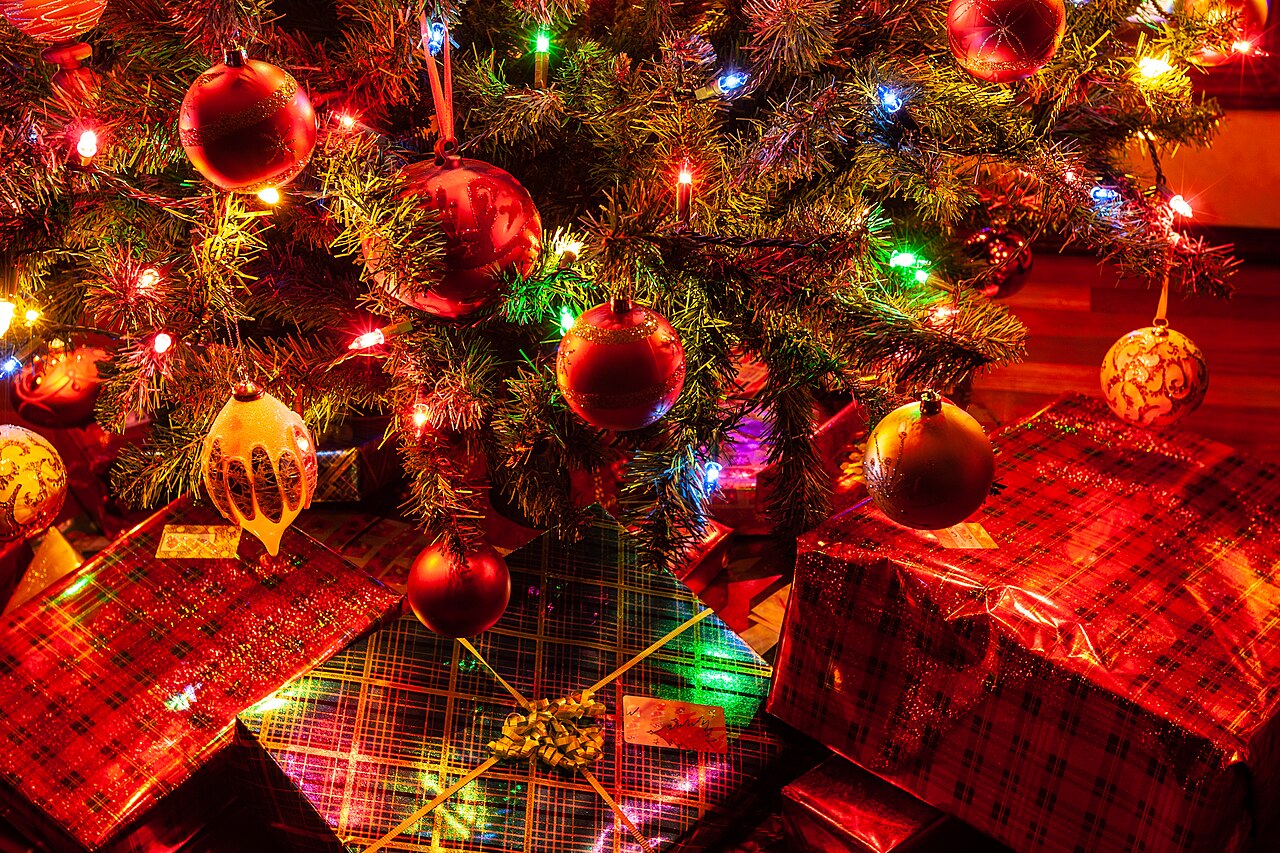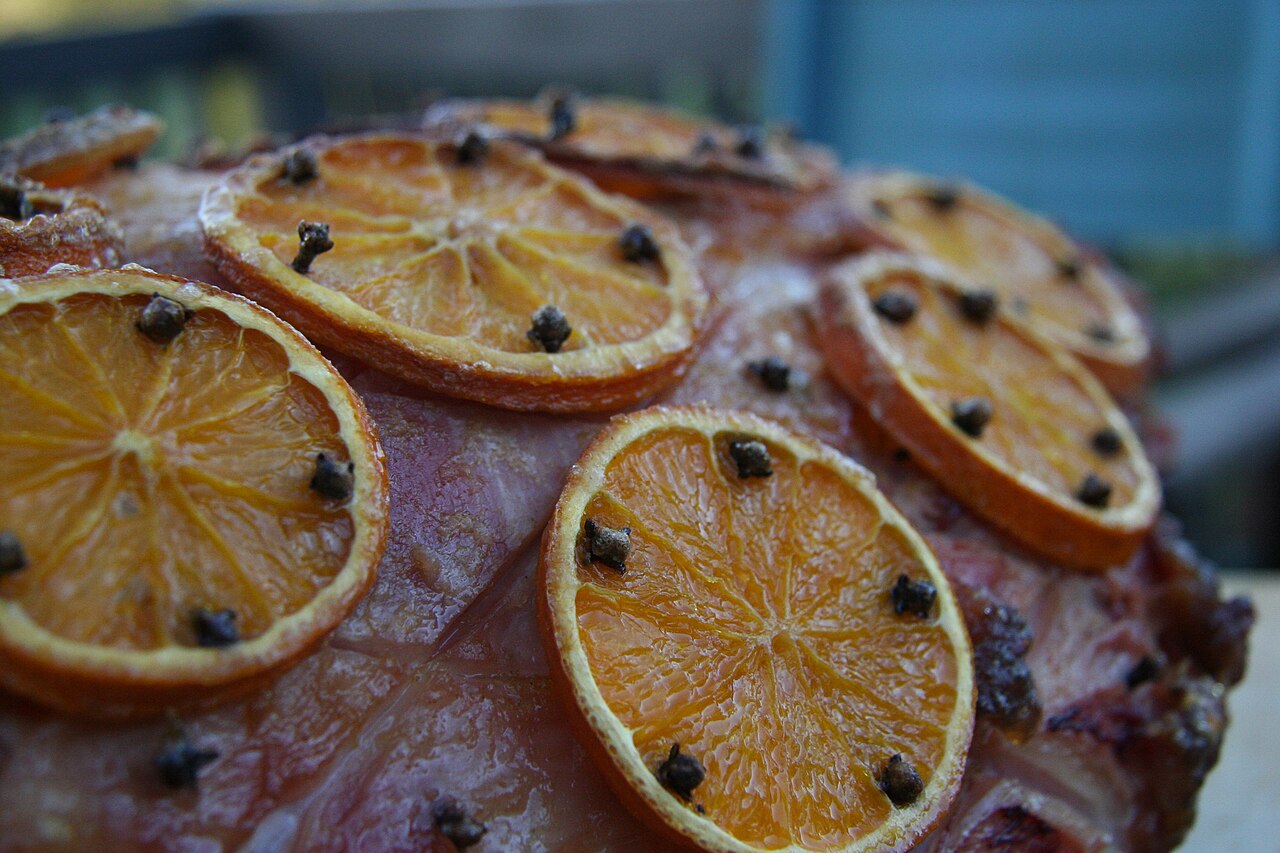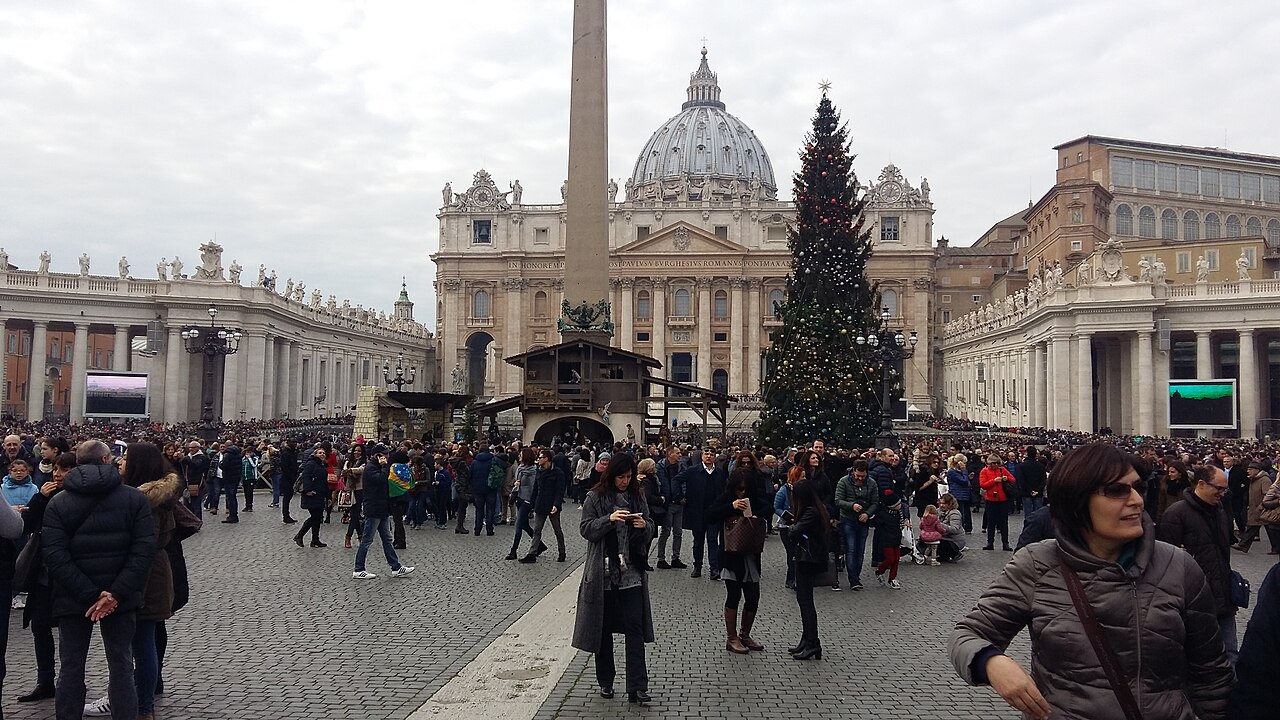
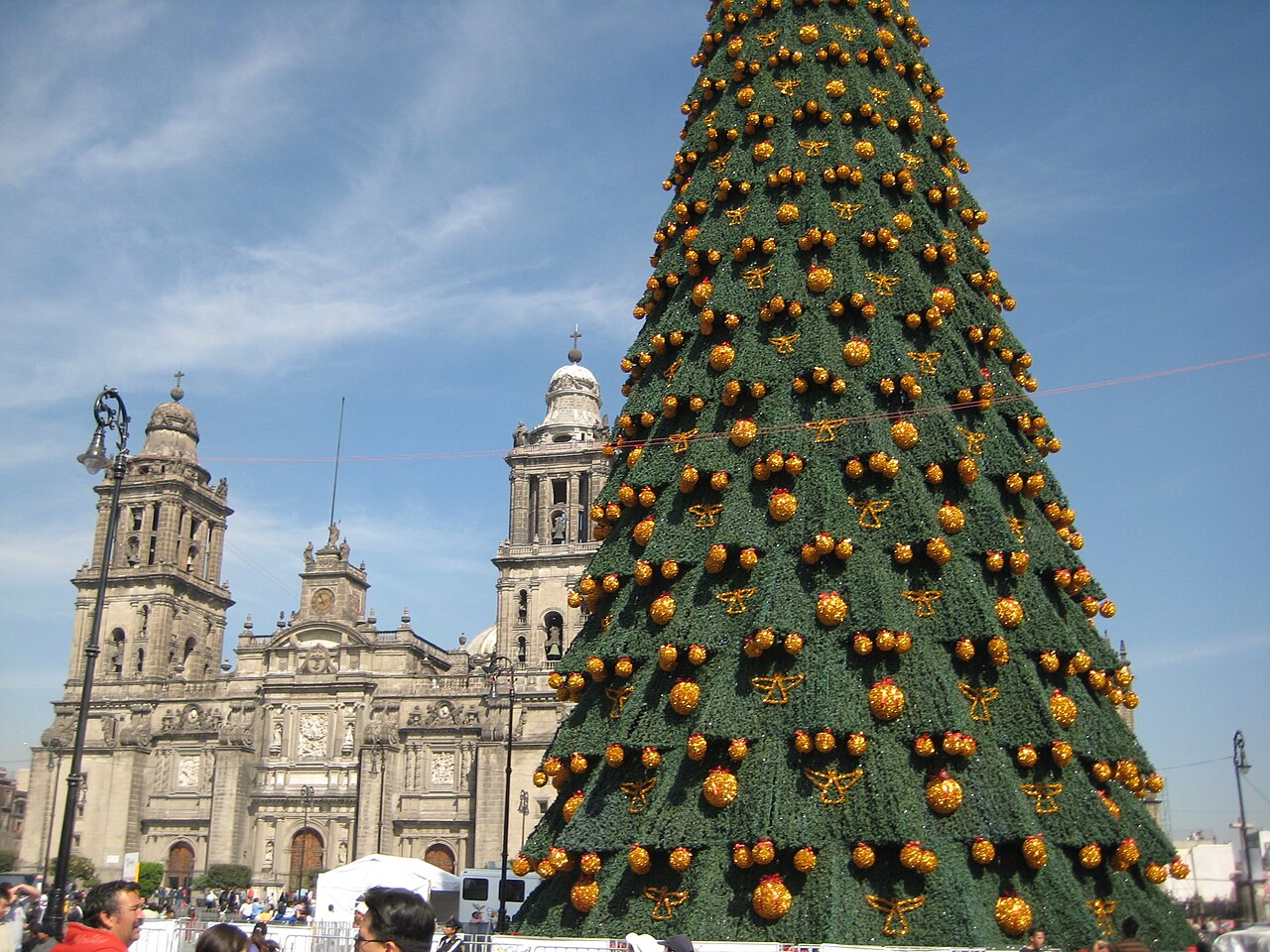
Christmas in Mexico is a long, warm, and deeply rooted affair. It is not one night but a season that stretches from the middle of December into early February, blending Catholic faith, Spanish colonial heritage, and distinctly Mexican color. Candlelit processions wind through neighborhoods, star shaped piñatas swing above laughing children, and the smell of tamales and hot fruit punch fills the night air.
This guide walks through the customs that define a Mexican Christmas: the nine nights of Las Posadas, the piñata and its hidden meaning, the all important nacimiento, the Christmas Eve feast of Nochebuena, and the gift giving Day of the Three Kings. For the bigger picture, see our overview of Christmas history and traditions and how the holiday is marked in countries around the world.
A Catholic Country, a Religious Season
Mexico is one of the most Catholic countries on earth. Roughly 78 percent of Mexicans identified as Roman Catholic in the 2020 census, a share that has slowly declined but still shapes national life. It is a legacy of three centuries of Spanish rule that began in the 1500s. That faith gives the Christmas season its shape and its calendar, from the processions of December to the Three Kings in January. To wish someone a merry Christmas, Mexicans say Feliz Navidad.
The season also opens on a religious note. December 12 is the Feast of Our Lady of Guadalupe, Mexico’s beloved patron saint, who according to tradition appeared to the indigenous convert Juan Diego in 1531. Each year millions of pilgrims travel to her basilica in Mexico City, the most visited Catholic shrine in the world. Days later, the Christmas celebrations proper begin.
Las Posadas: Nine Nights of Pilgrimage
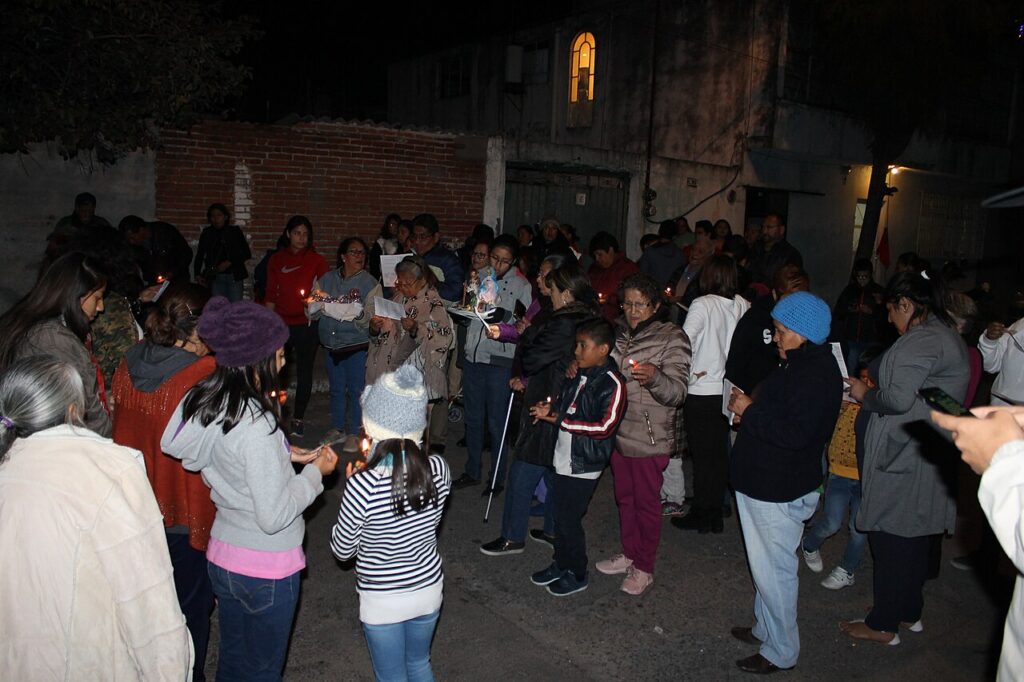
The heart of a Mexican Christmas is Las Posadas, a series of nine processions held each night from December 16 to 24. The word posada means “lodging” or “inn,” and the ritual reenacts Mary and Joseph searching for a place to stay in Bethlehem. The nine nights stand for the nine months of Mary’s pregnancy.
Each evening, neighbors gather and walk by candlelight, often carrying small figures of José y María or an image of the couple on a donkey. The procession stops at a chosen house, where the “pilgrims” outside sing a request for shelter and the hosts inside sing back a refusal. The call and response continues until, at last, the door swings open and everyone is welcomed in. Then the real party begins, with food, music, and a piñata.
The tradition traces to Spanish missionaries. Friar Diego de Soria of the Augustinian convent at Acolman is said to have won papal permission in the 1580s for a series of Christmas Masses, and the dramatized story was used to teach the Nativity to the local population. It is believed to have merged with existing winter observances, which fell at the same time of year.
The Piñata and Its Hidden Meaning
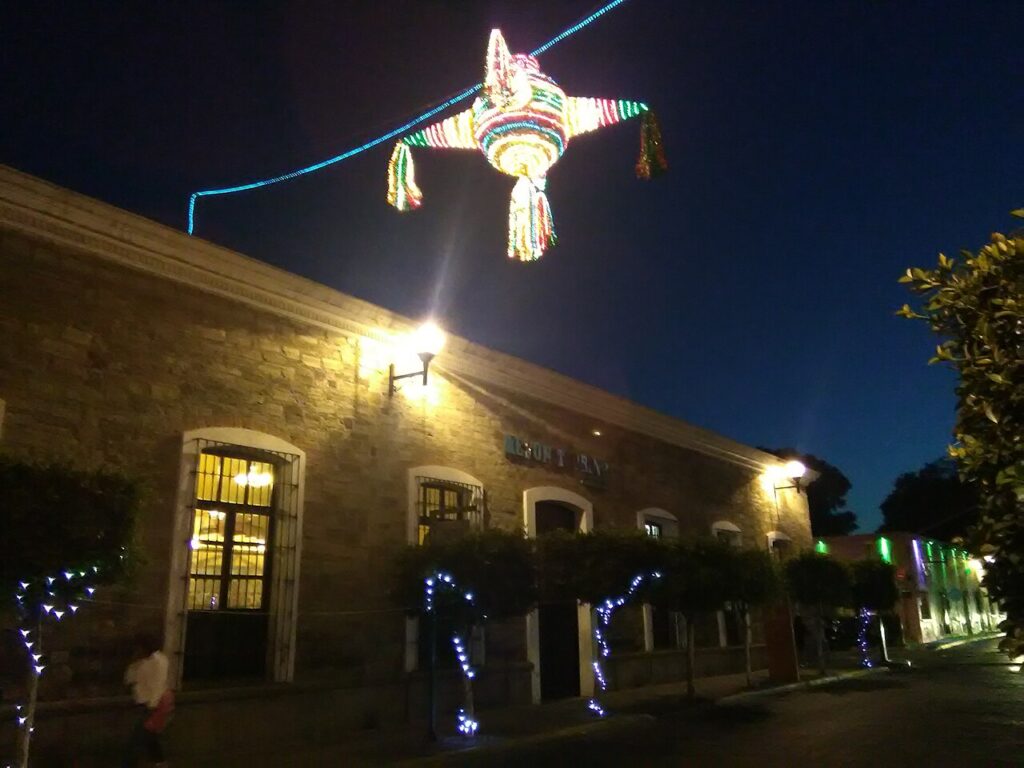
No Posada is complete without a piñata. The traditional version is not a cartoon character but a clay or papier mache star with seven points. That shape is full of meaning. The seven points represent the seven deadly sins, and the bright, tempting piñata stands for sin itself.
The blindfolded child swinging the stick represents faith, which is blind, striking out against temptation. When the piñata finally breaks and the fruit, candy, and small treats rain down, it is grace and reward pouring out for the faithful. What looks like pure children’s fun carries a small sermon inside. According to a widely repeated account the piñata’s roots reach back to China and arrived in Mexico by way of Spain and Italy, though similar clay pot traditions existed among the Aztec and Maya, so the custom is likely a blend of both.
The Nacimiento
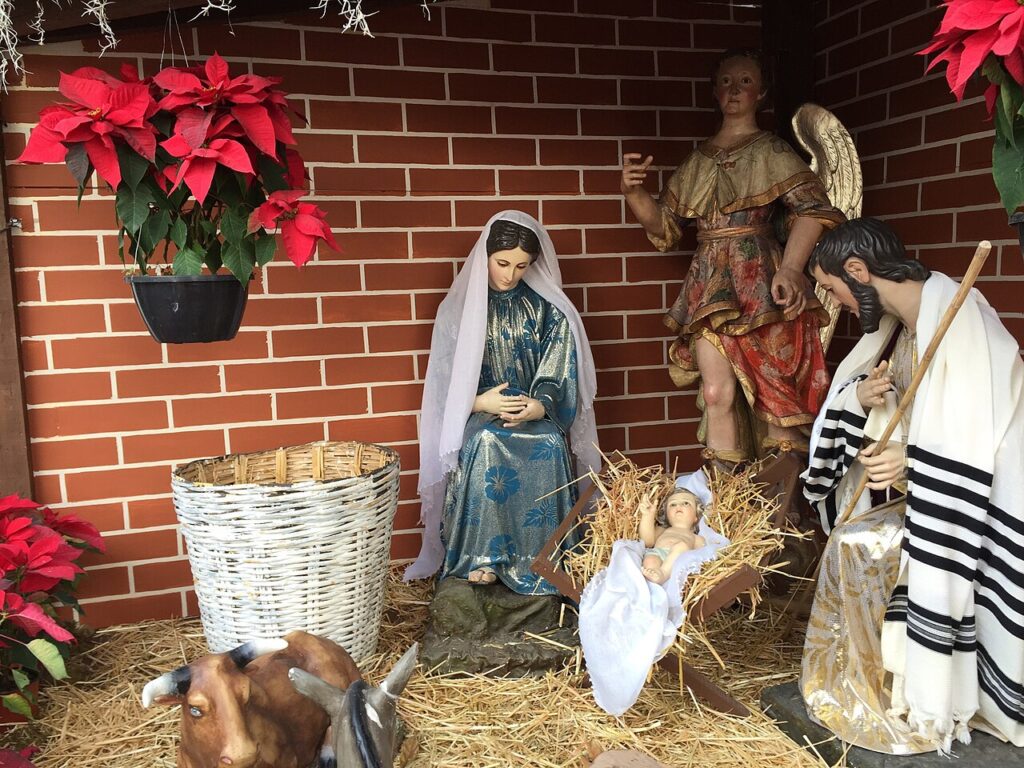
In most Mexican homes the centerpiece of Christmas is not the tree but the nacimiento, the nativity scene. These can be small or sprawling, with the stable, the Holy Family, shepherds, animals, angels, and the approaching Three Kings, sometimes filling an entire room or a corner of a town plaza.
One detail matters above all. The figure of the baby Jesus, el Niño Dios, is left out of the manger until the stroke of midnight on Christmas Eve, when a family member, sometimes after the family sings the gentle lullaby “A la rorro niño,” lays him in the crib to mark the moment of his birth. The Kings, meanwhile, are moved a little closer each day until they arrive on January 6.
Pastorelas: The Shepherds’ Plays
Another colonial inheritance is the pastorela, a shepherds’ play. These are comic morality dramas in which a band of shepherds sets out to visit the newborn Jesus while the devil schemes to lead them astray. Good wins in the end. Once a tool of Franciscan evangelization, pastorelas are now a beloved bit of holiday theater, performed in schools, churches, and town squares with plenty of local, and often satirical, humor.
Nochebuena: The Christmas Eve Feast
The high point of the season is Nochebuena, the “good night” of December 24. Many families attend a late evening Mass, the Misa de Gallo or Rooster’s Mass, then gather at home for a feast that often runs past midnight.
There is no single national menu, but certain dishes appear again and again on the Christmas table:
- Bacalao a la vizcaína, salted cod stewed with tomatoes, olives, and chiles, a dish of Spanish origin.
- Romeritos, tender sprigs of a wild green served in mole sauce with potatoes and dried shrimp patties.
- Tamales, corn dough steamed in husks or banana leaves, a pre Hispanic staple in countless regional varieties.
- Pozole, a hearty hominy soup, and roast turkey or pork in many homes.
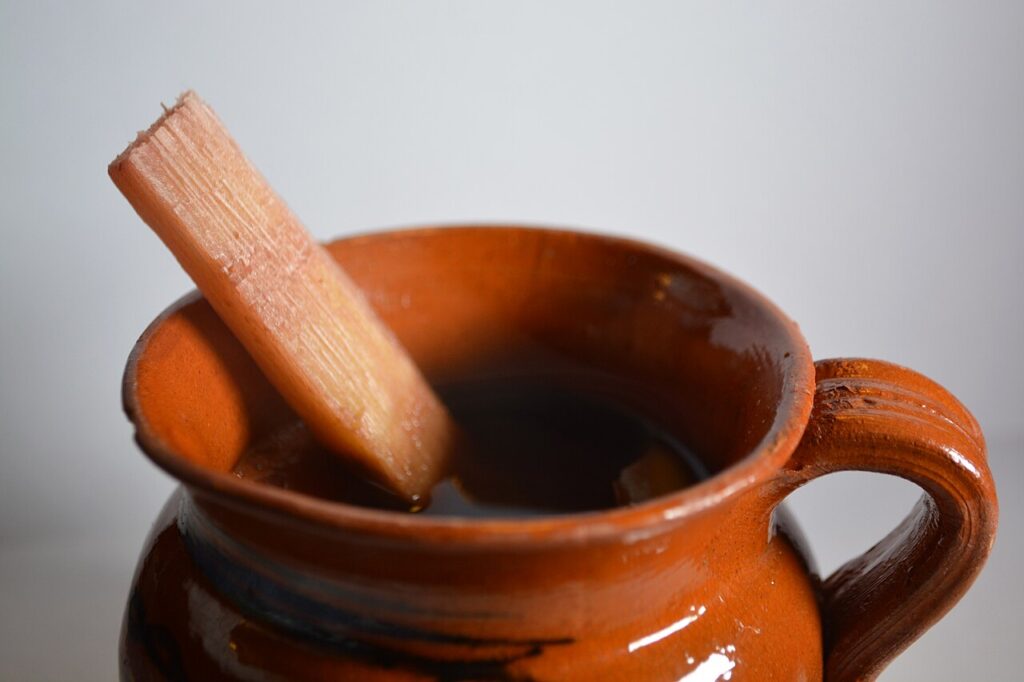
- Ponche navideño, a warm fruit punch simmered with sugarcane, tejocotes, guavas, cinnamon, and hibiscus, sometimes spiked with a splash of rum for the adults.
- Buñuelos, thin crisp fritters dusted with sugar or soaked in syrup, the classic Christmas sweet.
The Poinsettia, a Mexican Gift to the World
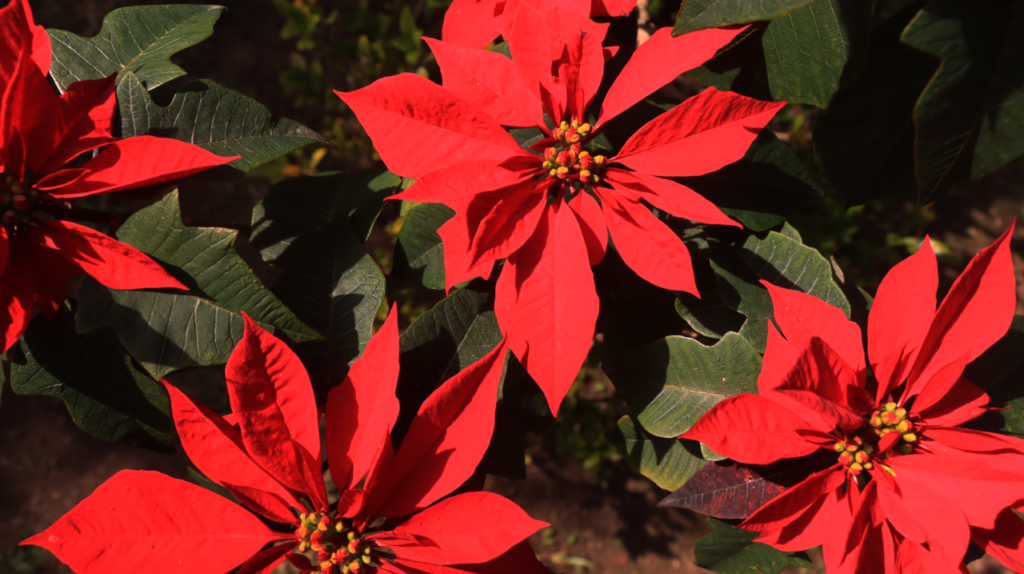
The flower the world links with Christmas is Mexican. The poinsettia grows wild in the country and is known there as the flor de Nochebuena, the Christmas Eve flower. A cherished legend, the story of a poor girl named Pepita, tells of a child who had nothing to offer at church on Christmas Eve and gathered a humble bundle of roadside weeds, which bloomed into brilliant red stars at the altar.
The plant carries its English name thanks to Joel Roberts Poinsett, the first United States minister to Mexico, who admired the flower and sent cuttings home in the 1820s. From Mexican roadsides it became a global symbol of the season.
Regional Traditions
Mexico is vast, and Christmas wears many local faces. In Oaxaca, the night of December 23 is the Noche de Rábanos, the Night of the Radishes, when artisans carve oversized radishes into intricate nativity scenes and folk tableaux for a competition that has run since 1897. In countless towns, fireworks crackle over the posadas, and market stalls overflow with colaciones, the hard candies tucked into children’s aguinaldo bags. The warm ponche is ladled from huge clay pots, simmered with tejocotes, guavas, sugarcane, tamarind, and cinnamon until the whole street smells of fruit and spice.
Holy Innocents and the New Year
The festivities do not pause for long. December 28 is the Día de los Santos Inocentes, the Day of the Holy Innocents, which has become Mexico’s version of April Fools’ Day. People play pranks and tell tall tales, and tradition holds that anything you lend on this day need not be returned, so a clever borrower might ask a favor and never give it back. The trickster’s rhyme, “Inocente palomita que te dejaste engañar,” teases the gullible victim, a playful custom that sits oddly atop its somber origin in the biblical massacre of the innocents. New Year’s Eve then brings its own late feast and customs before the season’s grand finale.
Día de los Reyes: The Three Kings
For generations, the main day for children’s gifts in Mexico was not December 25 but January 6, the Día de los Reyes, the Day of the Three Kings, or Epiphany. On the eve, children leave out their shoes, sometimes with a little hay for the Kings’ camels, and wake to find presents left by the Reyes Magos, the Wise Men who brought gifts to the Christ child.
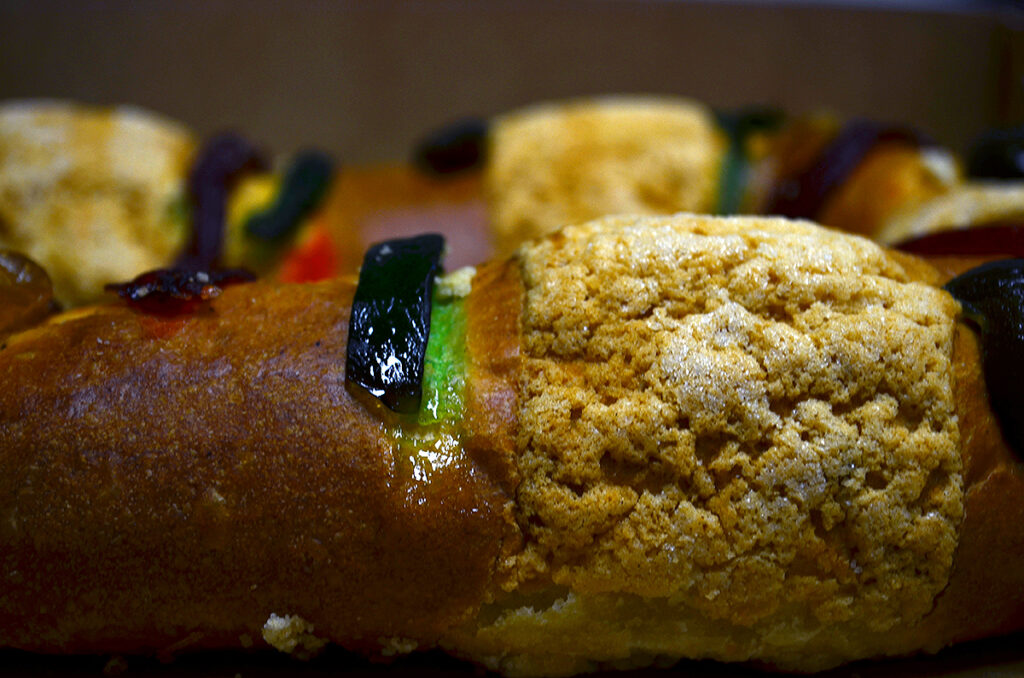
Families gather to share the Rosca de Reyes, a ring shaped sweet bread decorated with candied fruit. Baked inside is a small figurine of the baby Jesus. Whoever finds it in their slice is named godparent to the figure and, by custom, must host a party and provide the tamales on February 2.
Día de la Candelaria: The Season’s End
The long Mexican Christmas finally closes on February 2 with the Día de la Candelaria, Candlemas. The Niño Dios figure from the nacimiento is dressed in fine clothes and presented at church, echoing the presentation of Jesus at the temple. And the person who found the hidden figure in the Rosca de Reyes makes good on the promise, hosting friends and family over a steaming spread of tamales and atole.
From the first Posada in December to the last tamal in February, Christmas in Mexico is a season of faith, family, and shared abundance. To see how other cultures celebrate, explore our guides to Christmas foods around the world and the gift bringers of many lands.